The Challenges of an Unfinished House

An unfinished house can be a daunting sight. It's a structure stuck in limbo, not quite a home yet. But for some, it's an opportunity to invest in real estate or embark on a home improvement project. However, these ventures are not without challenges. The path is often complex, from understanding the scope of work to navigating building codes. Other hurdles to overcome include budgeting accurately, ensuring safety, and maintaining property value. Then there's the question of whether to DIY or hire professionals.
This article will explore these challenges and provide insights and tips for effectively dealing with unfinished houses- a guide for potential homebuyers, real estate investors, or homeowners thinking about a project.
If the project is stalled and you’re done putting money into it, we can help you sell an unfinished house as-is in Chicago. If there are open permits or citations, here’s how code violation property buying works.
Understanding Unfinished Houses
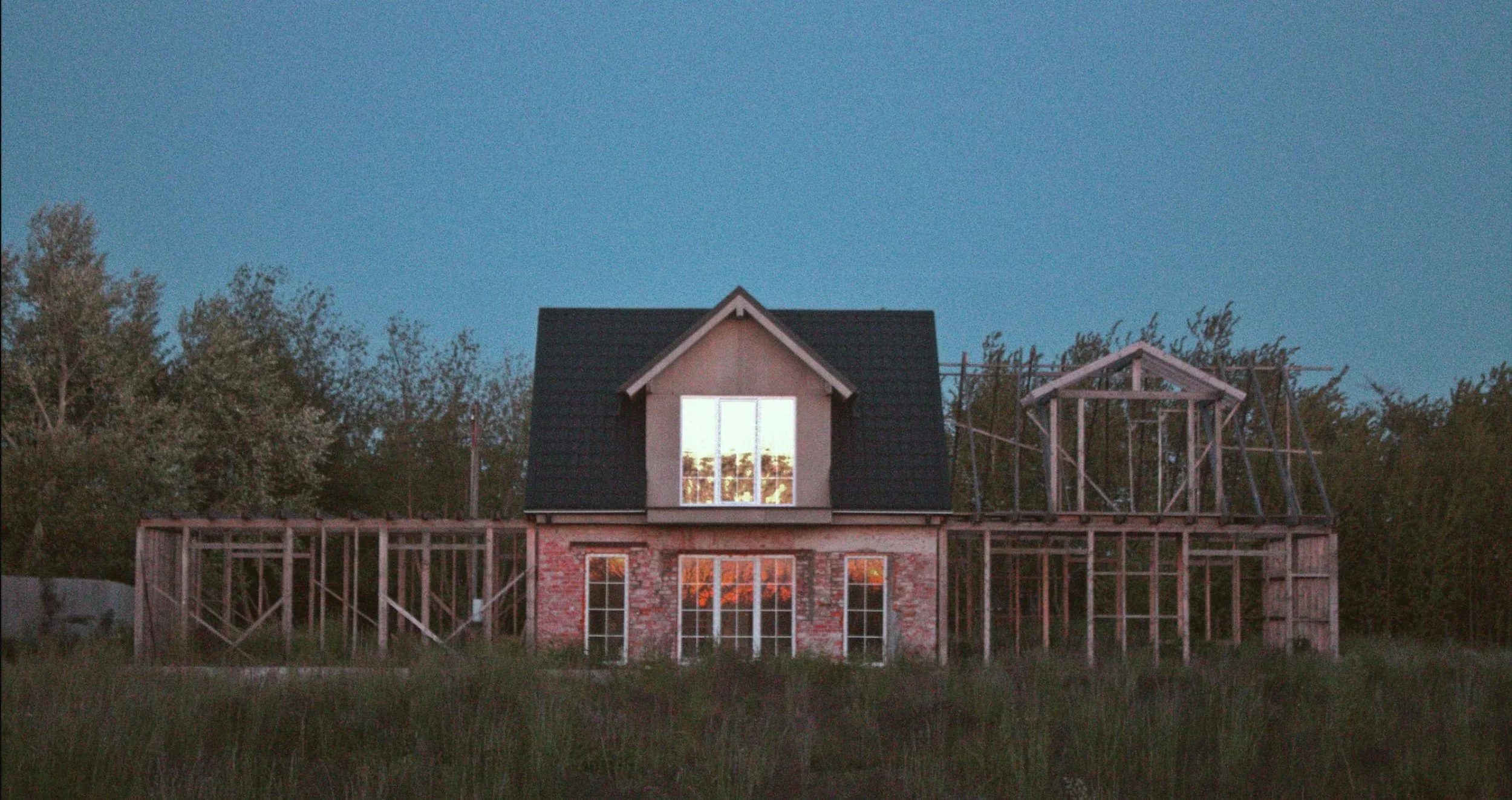
An unfinished house is simply a building not completed to its intended finish. It often lacks essential features like flooring, windows, or even walls. These houses are in various stages of construction and offer a unique set of challenges to owners or investors.
The characteristics of an unfinished house are diverse. Some are missing vital infrastructure, while others may look complete but lack finishing touches. This unfinished state can stem from interrupted projects, financial issues, or construction delays. Understanding the specific state of completion is crucial for anyone considering taking on an unfinished house project.
Why Houses Remain Unfinished

Houses often remain unfinished due to financial hurdles. Owners may run out of funds midway through the construction. Such budget shortages halt progress and leave projects incomplete.
Life changes also contribute to unfinished homes. When unexpected events occur, people may need to relocate quickly. This can result in abandoned construction projects, adding to the inventory of unfinished houses.
Sometimes, unforeseen construction challenges derail plans. Encountering structural problems or failing to meet building codes can bring work to a standstill. These obstacles can make finishing the house a daunting and expensive task.
The Investment Potential of Unfinished Houses

Unfinished houses often present intriguing investment opportunities. Their initial purchase price is typically lower than fully completed homes. This cost advantage can attract real estate investors looking for potential high returns.
However, investing in an unfinished house requires foresight and skill. Investors must accurately evaluate the costs and work needed to finish the construction. Thorough inspections are essential to avoid unforeseen expenses and maximize profitability.
Despite the risks, unfinished properties can be customizable. Investors have the chance to tailor the home to market preferences. This customization can enhance the property's value, making it an appealing proposition for savvy investors.
Inspecting and Assessing the Work Needed

Assessing an unfinished house requires a meticulous inspection process. It's crucial to identify the scope of work involved in completing the construction. Each area of the house must be thoroughly examined to determine its current state.
A detailed inspection can help uncover hidden issues. These may include structural deficiencies or safety hazards that aren't immediately visible. Proper evaluation of these elements is vital to prevent unexpected costs down the line.
Enlisting the help of professionals can be beneficial. Experienced inspectors have the expertise to identify potential problems.
Their insights offer a better understanding of the completion process, aiding in effective planning and execution.
Navigating Building Codes and Permits
Navigating building codes is an essential step when dealing with an unfinished house. Every locality has its regulations that builders must adhere to. Understanding these codes helps ensure compliance and avoid costly penalties.
Permits are often required before commencing any construction work. These permits can vary depending on the scope of the project. Securing the correct permits is crucial for a smooth construction process and to prevent future legal issues.
It's wise to consult with experts familiar with local regulations. They can guide you in obtaining all necessary approvals. With their help, you can avoid potential pitfalls and ensure your project's success.
Budgeting for Completion: Hidden Costs and Realistic Estimates
Completing an unfinished house often uncovers hidden costs. It's crucial to anticipate these surprises in your budget. Unforeseen expenses can arise from outdated systems or structural issues.
A realistic estimate is key to a successful project. Start by analyzing the current state of the house and the work required. This thorough assessment helps you allocate funds appropriately and avoid running out of money.
Don't forget to set aside a contingency budget. This reserve acts as a safety net for unexpected costs. Having this cushion ensures that you can handle surprises without derailing the entire project.
Safety Hazards and Structural Integrity Concerns
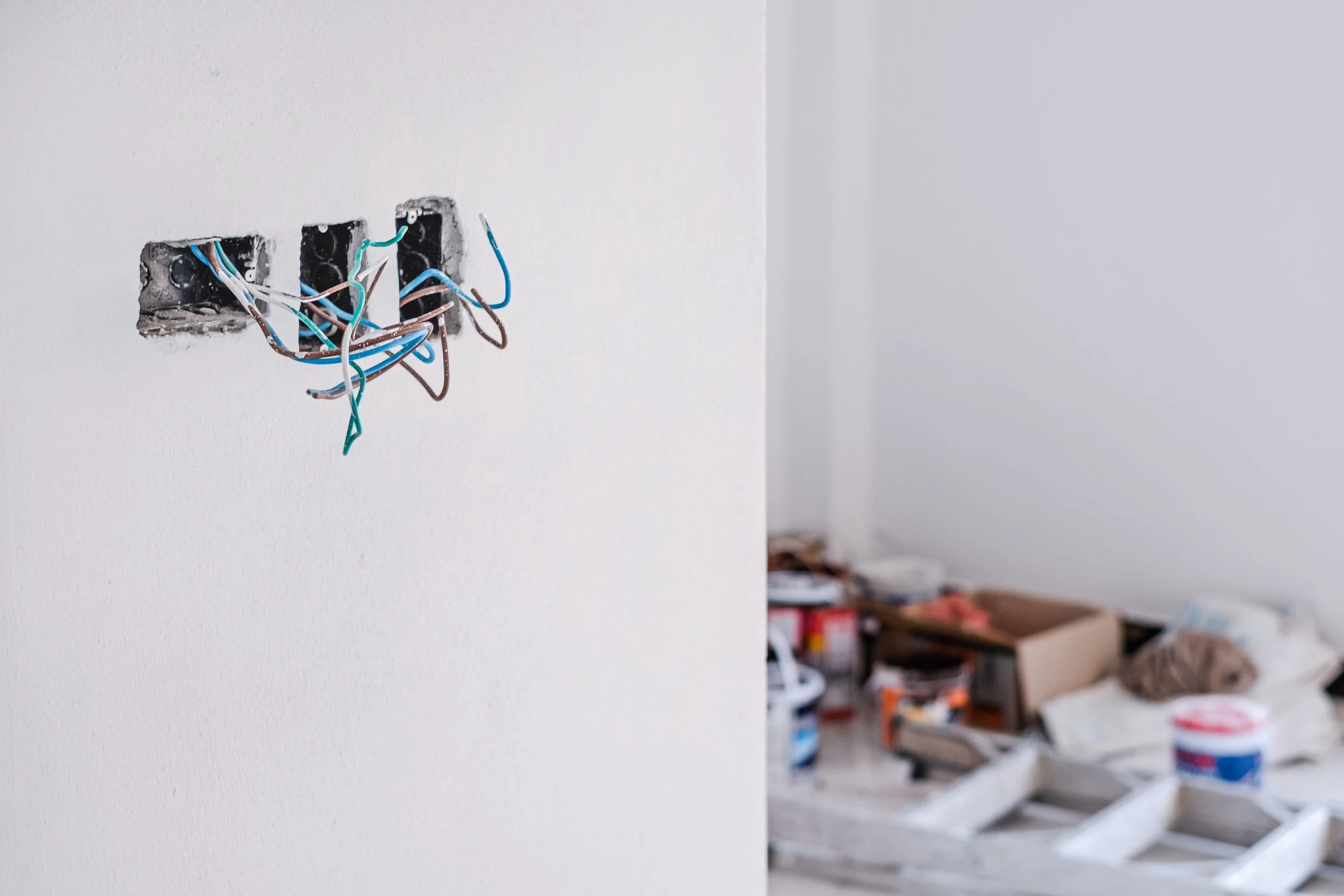
Unfinished houses can pose serious safety hazards. Exposed wiring, unstable structures, and incomplete staircases are common risks. These issues require immediate attention to prevent accidents.
Structural integrity is another critical concern. Incomplete foundations or wall frames may jeopardize stability. Conducting a thorough inspection is essential to identify any weaknesses or defects.
Addressing these hazards is vital for a secure living environment. Prioritize safety improvements before proceeding with other projects. This approach ensures a solid foundation for further development and peace of mind.
Impact on Property Value and Resale Prospects
Unfinished houses can significantly impact property value. A home that’s not move-in ready may sell for less. Buyers typically factor in the costs of completion when negotiating a price.
Resale prospects can also be challenging. Many homebuyers prefer finished homes to avoid the hassle of construction. This preference can limit the pool of potential buyers for an unfinished property.
Despite these challenges, an unfinished house isn’t without potential. Renovating and completing the house can boost its value. With the right improvements, the property may attract buyers and achieve a stronger market position.
Prioritizing Home Improvement Projects
Tackling an unfinished house requires a strategic plan. Prioritizing projects is essential to manage time and expenses effectively. Start with critical repairs, like structural fixes, to ensure safety.
Once essential repairs are complete, focus on projects that enhance comfort and functionality. This approach helps to create a livable and enjoyable space sooner.
If speed matters, here are realistic timelines to sell your house fast in Chicago.
DIY or Professional Contractors: Choosing Wisely
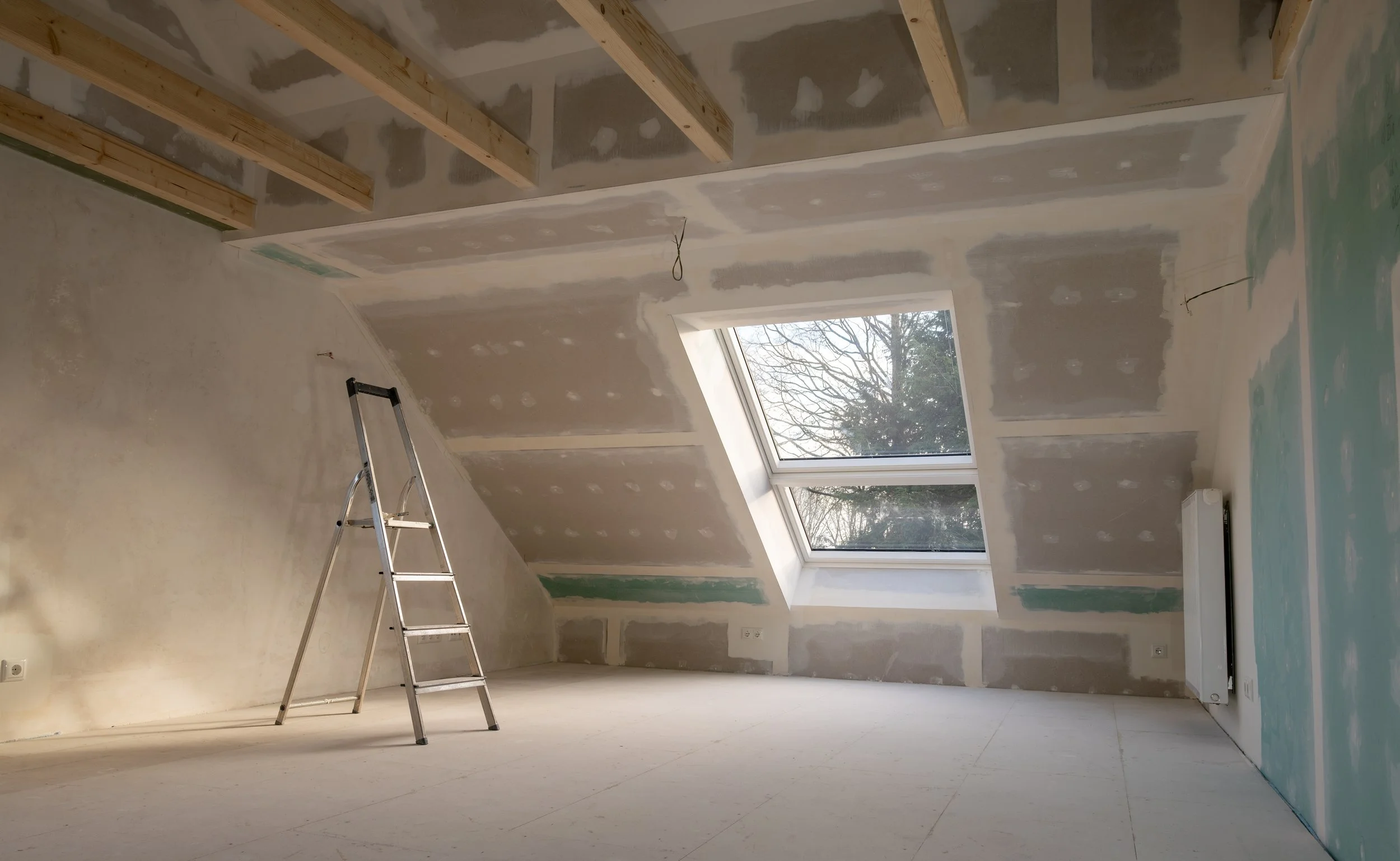
When you need work done at home, you can either do it yourself (DIY) or hire a contractor. Both have their pros and cons. Think about your budget, skills, and time and decide what is best for your project.
DIY projects can save money but require skill and time. Assess your abilities honestly before starting.
Professional contractors bring expertise to the table. They ensure that work meets building codes and standards. While more costly, their work can save time and reduce headaches.
Consider a hybrid approach for your unfinished house. Tackle simpler tasks yourself and leave complex projects to professionals. This method balances cost savings with quality assurance.
Financing the Completion: Loans and Other Options
Financing an unfinished house involves various options. Renovation loans specifically cater to completing construction projects. These loans often come with favorable terms for home improvement ventures.
Explore different financial avenues to suit your needs. Personal loans and home equity lines can also provide funds. Weigh the pros and cons of each to find the best fit for your project.
What About Unfinished Basements and Projects?
Many homeowners ask, “Why are basements unfinished?” or “Why do houses have unfinished basements?” In most cases, it’s a matter of cost savings and flexibility. Builders often leave basements unfinished so buyers can customize the space later or avoid upfront construction expenses.
If you’re considering selling a house with unfinished projects, including a basement, transparency is crucial. Be upfront about the scope of work left to complete. Whether it’s cosmetic work or major systems, buyers appreciate honesty—and investors may see it as an opportunity.
Selling an unfinished house doesn’t mean you’re out of options. There are clear strategies for how to sell an unfinished house, including targeting real estate investors or buyers looking for renovation opportunities.
Not ready to finish your basement? You can still add value by staging it smartly. Many homeowners ask, “How to use an unfinished basement without finishing it?” The answer: clean it thoroughly, add lighting, and present it as storage, a gym area, or a workshop. Even without drywall or flooring, a tidy, functional space can help buyers see the potential.
Turning Challenges into Opportunities
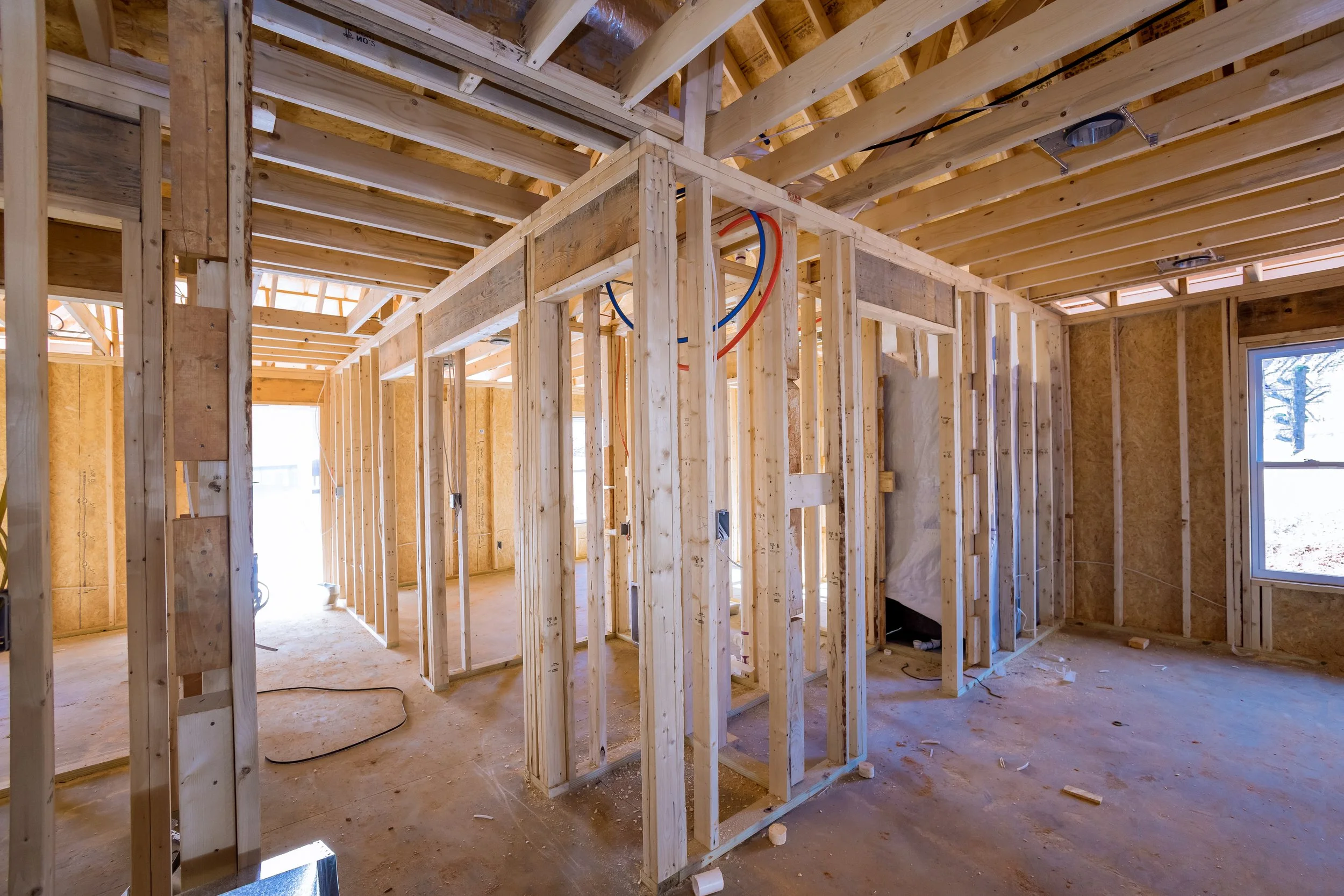
An unfinished house presents unique challenges and opportunities. With careful planning, it can transform into a dream home—or even become a valuable asset to sell. Each hurdle offers lessons in creativity and resourcefulness.
By embracing these challenges, you uncover hidden values. If completing the project feels overwhelming, selling the home as-is might be a practical solution. This option allows buyers to bring their vision while allowing you to recoup your investment.
Completing an unfinished house with careful planning and patience can become an exciting and rewarding endeavor for you or the future owner.
Learn more about our team — we’re a Chicago property investment company that buys distressed homes without repairs
FAQ’s: Unfinished House
What is an unfinished house?
An unfinished house—also known as an uncompleted building—is a residential structure that is partially constructed or renovated but not fully livable. This might include missing elements like drywall, flooring, ceiling fixtures, or plumbing, leaving the property in a “under construction” state.
Can an unfinished house be appraised?
Yes, an unfinished house can be appraised. Appraisers evaluate based on the current stage of the construction, architectural plans, comparable real estate sales, and estimated completion costs. However, appraised value is often lower due to the incomplete condition.
Can you sell an unfinished house?
Absolutely. Selling an unfinished house is possible, though it typically attracts investors, builders, or cash buyers. Many sellers opt for “as-is” sales due to challenges in financing and permitting. Marketing to buyers familiar with house construction or architecture projects is key.
Can you insure an unfinished house?
Yes, but coverage is limited. Insurance providers often classify it as a dwelling under construction or vacant property, offering builder’s risk policies. These policies cover damage to the unfinished structure but may not cover theft of materials like wood, wiring, or appliances.
Can I buy an unfinished house?
Yes. Buyers seeking investment opportunities or a customizable home often purchase unfinished buildings. It’s important to do due diligence on zoning, permits, and the condition of the structure—especially ceilings, electrical, and plumbing systems.
Can you finance an unfinished house?
Traditional financing is difficult for an unfinished home. However, some lenders offer construction loans, renovation loans (like FHA 203(k)), or hard money loans. These loans are based on the future value of the completed home rather than its current condition.
Can you refinance an unfinished house?
Refinancing is possible but rare unless the home is nearing completion or you have significant equity. Most lenders view unfinished homes as high-risk, so it’s typically easier to refinance after final inspections or certificates of occupancy are in place.
Can you live in an unfinished house?
Legally, no—unless it passes local building inspections and has a certificate of occupancy. Living in an unfinished house without plumbing, electricity, or safe ceilings may violate health and safety codes.
How do you sell an unfinished house?
To sell an unfinished house:
• Get a professional appraisal
• Document completed and pending work
• Target cash buyers, builders, or real estate investors
• Be transparent about construction status and permits
Working with professionals who understand selling under-construction or distressed properties can help streamline the process.
How much is an unfinished house worth?
The value depends on location, stage of construction, size, materials (like wood framing), and local real estate demand. Generally, unfinished houses sell below market value due to the costs required to finish the build.
How do you buy an unfinished house?
Start with a home inspection and title search. Check for permits, liens, and building code compliance. It’s wise to consult a contractor and real estate attorney to assess feasibility, especially for architectural plans, utility access, and structural safety.