
Cash Home Buyers in Chicago
Fair Written Offer in 24 Hours, Close on Your Timeline
Get a fair written cash offer on your Chicago house in 24 hours, then close on the date you pick.
No repairs, no fees, no pressure. We walk you through every number and help you avoid predatory buyers. Call or text (312) 975-5557.
City of Chicago Certified



In Chicago, cash home buyers purchase houses directly from homeowners — no agents, no waiting on a lender, no repair list to work through first — across all 77 neighborhoods and every kind of home we’ve got.
That speed is the appeal. But it’s also why it pays to understand who you’re dealing with before you sign anything.
This page is here to help with exactly that: how to find and size up cash home buyers, what the offer process actually looks like, what makes your offer go up or down, and when a cash sale genuinely beats listing the traditional way.
And if you’d like a number to look at, you can request a no-obligation written offer today. As a local real estate consultant, we’ll review your property and come back within 24 hours with a transparent offer — every figure explained, so you understand it, can compare it, and can decide with full confidence. No pressure, ever.
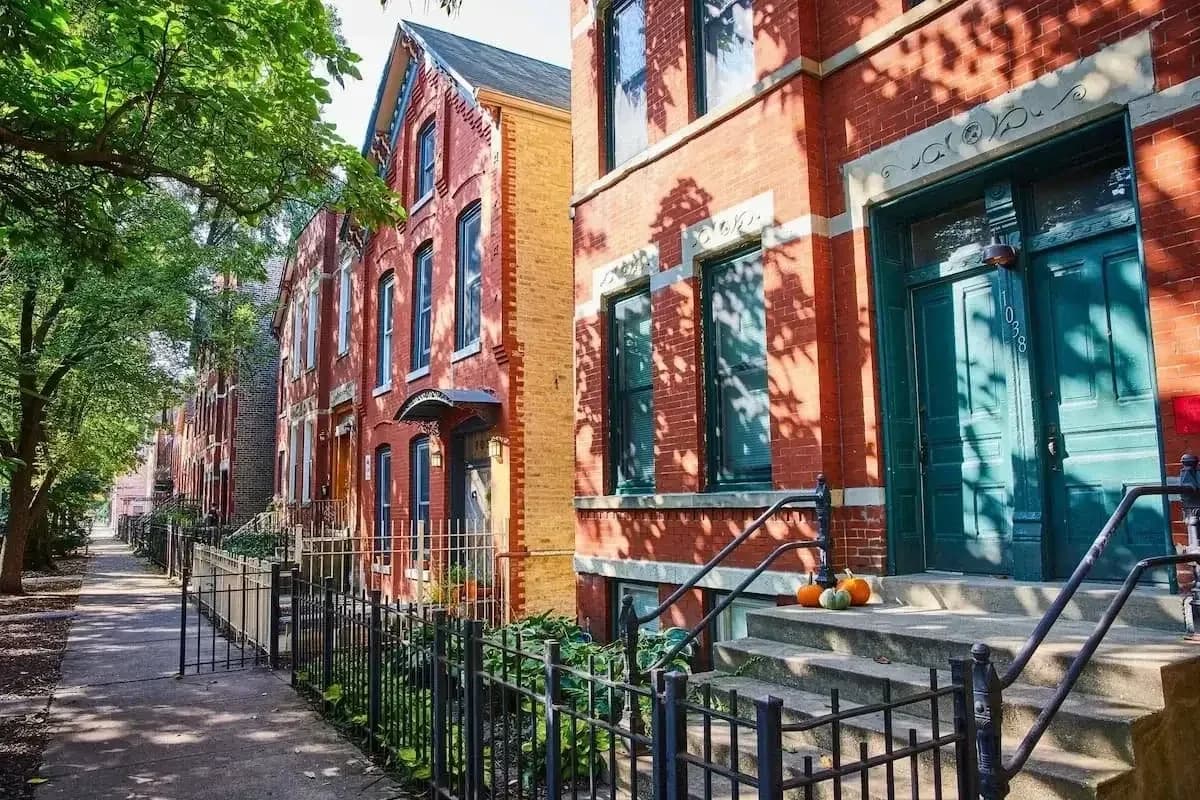
Direct Cash Option
Cash for My House in Chicago
If you need cash for your house in Chicago, we offer a direct sale option with a clear timeline. You can sell as-is, get a fair cash offer, and avoid repairs, showings, and agent commissions.
This works well when you need to move quickly or want a simpler sale. We review the property, explain the offer clearly, and let you choose the closing date that fits your situation.
How Do Cash Home Buyers in Chicago Work?
Here’s the whole process, start to finish:
1
Tell us about your house
Share your address, the home’s condition, and your timeline — online or by phone, in about five minutes.
2
We take a look
A local buyer stops by when it’s convenient for you. Nothing to clean, stage, or repair first.
3
You get a written offer in 24 hours
It’s built from recent comparable Chicago sales, repair estimates, and what your specific neighborhood is doing.
4
Take your time deciding
Run it by your attorney or your family. A real cash buyer never pushes you to sign on the spot.
5
You name the closing date
Seven to fourteen days if you’re in a hurry — or 30, 60, even 90 days if you’re not.
6
You get paid at closing
Funds arrive by wire or certified check through a licensed Illinois title company. No hidden fees, no surprise deductions.
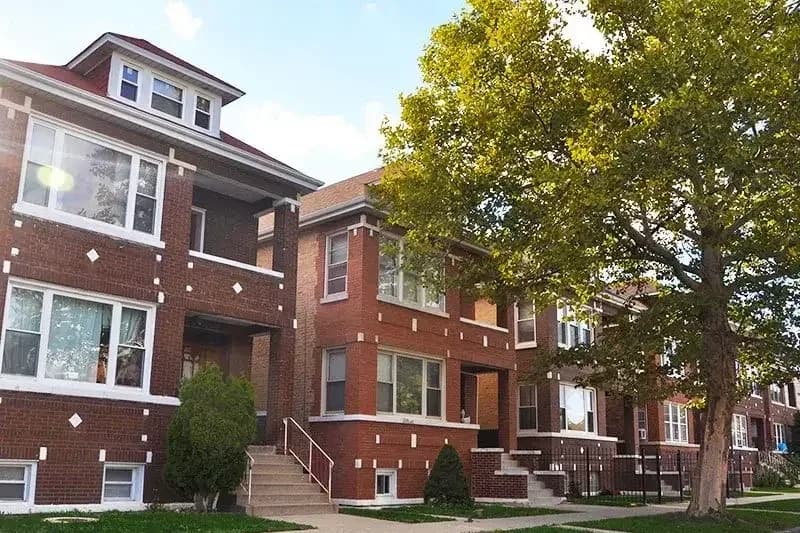
Who Cash Home Buyers Are — and Why Local Beats a National iBuyer
Maybe you’ve seen the signs around Englewood or South Shore, or an ad popped up while you were searching how to sell.
Either way, here’s what a cash home buyer actually is: a property investor who buys your house directly, with their own funds. No bank approval, no appraisal holding things up, no listing it on the MLS and waiting for a buyer. They purchase it, then fix it up to resell or rent.
The “local” part matters more than it sounds. A Chicago-based buyer knows what a graystone in Bridgeport is worth versus a bungalow in Hyde Park, understands how Cook County closings run, and knows our housing stock — the two-flats, the brick, the quirks that come with century-old homes.
A national iBuyer running your address through software from another state can’t see any of that, which usually means a lower offer or a flat “no” on anything that needs work.
A licensed Illinois broker and a licensed Chicago general contractor are looking at your house — not an algorithm in another state, and not a wholesaler who plans to assign the contract to someone else before closing.
That means the number you get is built from real Chicago repair costs, and the people who make the offer are the people who close on it.
Licensed IL Broker #475.201055 · Licensed Chicago GC #TGC137744
Every offer comes down to after-repair value, real repair costs, holding costs, and closing fees. We show you the math line by line — see exactly how Chicago cash offers are calculated.
Not every cash buyer is the same, and not every one is licensed — learn how to tell a legitimate Chicago cash buyer from a wholesaler.
From first call to closing check, most sales take under two weeks and you pick the date — walk through the full process step by step.
When Does a Cash Sale Make More Sense?
Listing can net more in the right situation. But when speed, certainty, or property condition matters most, a cash sale may be the better path.
Cash Sale Usually Wins When…
You need certainty, speed, or a simpler as-is solution.
- You are facing a foreclosure deadline or urgent timeline.
- The property is inherited, in probate, or needs to be settled quickly.
- You are dealing with divorce, relocation, or another major life transition.
- The house has tenants, deferred maintenance, or major system repairs.
- The property is not list-ready, especially during Chicago’s slower winter market.
Listing May Be Better When…
You have time, flexibility, and a property the retail market will reward.
- You are not under pressure to sell by a specific date.
- The home is move-in ready or only needs light cosmetic updates.
- You can handle showings, inspections, appraisals, and buyer financing delays.
- You are selling during a stronger spring or summer market window.
- You are comfortable waiting longer to try for the highest possible price.
Ready for a Fair, Fully Explained Cash Offer?
If you’d like to see what a fair cash offer on your Chicago house looks like — with every number explained — we’re glad to put one together. No cost, no pressure, no obligation to take it. Tell us about your property and we’ll get back to you within 24 hours.
Call or text (312) 975-5557, or send us your address to get started.
Questions, Answered
What homeowners ask us most.
Most are — and the good ones are easy to verify. Confirm they’re a registered Illinois business, look for recent 4-star-plus Google and BBB reviews, insist on a written offer, and make sure they close through a licensed title company with attorney review. Anyone who dodges those checks is telling you something.
Usually around 70–85% of its after-repair retail value. That feels like a haircut until you account for what you skip — agent commissions (5–6%), repairs, staging, and months of taxes, insurance, and utilities while it’s listed. Once those come out, the difference from a traditional sale is often smaller than it first looks.
The big ones are foundation seepage, knob-and-tube wiring, galvanized plumbing, an aging roof, tuckpointing needs, and high property-tax assessments. None of them stop a sale, but they affect the repair estimate — so mention them upfront and you’ll avoid a last-minute offer reduction.
You’ll want one. Attorney review is standard practice for residential closings in Illinois, and reputable cash buyers build it into the timeline and work directly with your attorney. A buyer who discourages you from having your own lawyer is a red flag.
As quickly as 7–14 days from an accepted offer — and if you need breathing room to relocate, coordinate with family, or talk to your CPA, flexible timelines up to 90 days are usually on the table.
Be a little suspicious. Unusually high offers sometimes come with hidden fees, a renegotiation right before closing, or an assignment clause that lets the buyer flip your contract to someone else. Ask for proof of funds, an itemized breakdown, and references before you sign anything.
Get your fair cash offer today.
It takes five minutes to start and costs nothing to hear the number, and when you call, text, or send the form, Karen's team answers seven days a week.