
1
Document all visible damage.
Photograph cracks, bowing walls, sticking doors, uneven floors, and save prior engineer or contractor reports.

Cracked walls? Sticking doors? Sloping floors? We buy homes with structural damage and foundation issues as-is. You skip every repair and move forward fast.
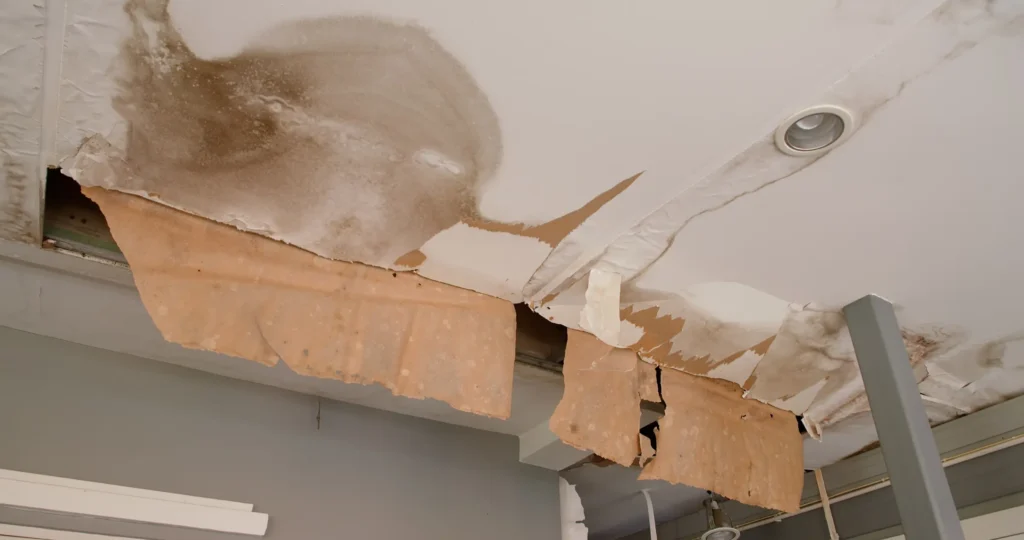
In Chicago, homeowners with cracked, bowing, or settling foundations can sell directly to a property investment company — no structural repairs required.
This page covers foundation cracks, bowing walls, uneven floors, sinking slabs, and structural settlement, in any Chicago neighborhood or property type.
Request a cash offer online. We assess your property from photos or a walkthrough and respond within 24 hours.
As a property investment company, we buy foundation-issue homes as-is, so you skip engineer reports, contractor bids, and lender rejections.
Quick Answer for Chicago Homeowners
A house with foundation problems can be sold as-is in Chicago. The key is documenting visible damage, disclosing known issues, and working with a buyer who can evaluate structural problems without lender repair conditions.
Photograph cracks, bowing walls, sticking doors, uneven floors, and save prior engineer or contractor reports.
Illinois law requires full disclosure of known foundation issues. Patching cracks to hide them creates legal liability.
We evaluate homes with foundation issues from photos or a walkthrough, usually within 24 hours.
A cash buyer assesses and prices foundation damage directly. You do not need to provide an engineer report.
Accept the offer with no obligation, and review it with a real estate attorney before signing anything.
No repairs, no lender approval, no inspection contingencies. Funds are delivered through a licensed Illinois title company.
A direct cash sale can help you avoid structural repair delays, financing issues, inspection renegotiations, and months of uncertainty on the traditional market.
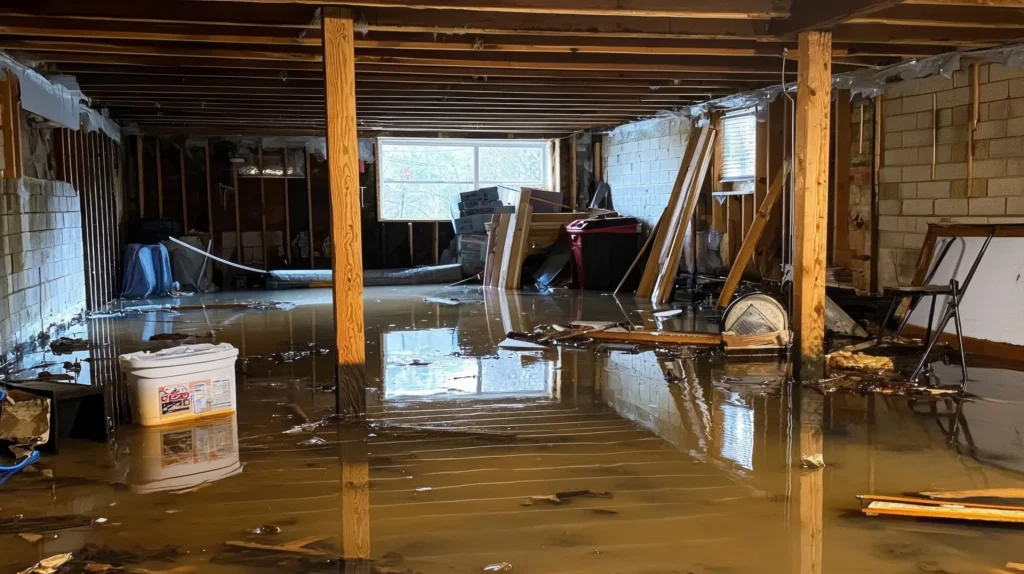
If you’re in Bridgeport, Humboldt Park, or South Shore and lost a buyer after their lender denied financing over foundation issues flagged at inspection, you’re not alone.
Nearly all mortgage lenders refuse to finance homes with unresolved structural problems. That leaves cash buyers as the only reliable market for foundation-issue properties in Chicago, regardless of the home’s location or condition otherwise.
Chicago’s expansive clay soils shift dramatically with each freeze-thaw cycle, causing foundation movement in older bungalows and two-flats across neighborhoods like Pilsen, Avondale, and Beverly.
Foundation Warning Signs
If you are in Logan Square, Austin, or West Pullman and you are not sure whether your cracks and uneven floors are cosmetic or structural, here is the difference that matters.
Minor settling often shows up as small hairline cracks. These can be normal in older Chicago homes and may not mean the structure is failing.
Bowing walls, stair-step masonry cracks, doors that will not close, and sloping floors point to a more serious foundation issue.
Pre-1940 brick bungalows and graystones often show stair-step mortar cracks in exterior masonry, a common sign of lateral soil pressure.
Structural signs may concern traditional lenders, but they do not stop a cash buyer from making an as-is offer. The goal is to document the issue clearly and price the repair risk honestly.
Seller Disclosure
If you are in Hyde Park, Chatham, or Rogers Park, you may not be sure what you are required to tell a buyer about known cracks, past repairs, or structural movement.
Illinois requires full disclosure of all known material defects, including foundation cracks, movement, and prior repairs.
Even a completed repair must be disclosed. A cash buyer accepts full disclosure and still closes.
Disclose known foundation cracks, stair-step masonry cracks, wall separation, or visible structural concerns.
Share known foundation movement, settling footings, bowing walls, sloping floors, or doors that no longer close properly.
Prior underpinning, crack repair, wall bracing, waterproofing, or engineer reports should be disclosed before closing.
Chicago real estate closings are attorney-led. A real estate attorney, typically $700 to $1,200, reviews your disclosure documents and helps protect you from liability on structural claims after the sale.
Cash Offer Pricing
If you are in Portage Park, Albany Park, or Roseland and want to understand how an offer gets calculated before you request one on a home with bowing walls or settling footings, here is how it works.
Investors estimate what your home could sell for after foundation repairs, related work, and resale preparation are complete.
The offer accounts for estimated foundation repair costs, holding costs, project risk, and the time needed to complete the work.
A transparent buyer walks you through the full calculation before you sign, instead of giving you only a final number.
Minor crack stabilization can run $5,000 to $15,000, while full underpinning or wall reconstruction can run $20,000 to $80,000 or more. Buyers familiar with Cook County contractor pricing can produce offers that are more accurate and reliable.
Repair or Sell As-Is
If you are in Mount Greenwood, Lawndale, or West Englewood weighing repair bids of $25,000 to $60,000 or more against a fast cash sale, compare the true costs before deciding.
When repair costs run past 30 to 50% of your home’s after-repair value, selling as-is often nets you more money.
You avoid contractor delays, permit costs, engineering fees, and months of mortgage and tax payments during repair work.
Carrying costs, permits, engineer reports, and project delays can change your final net even when the first bid looks manageable.
Foundation repairs can reveal water damage, crumbling block footings, deteriorated drainage tile, and other hidden issues.
If the repair plan is too costly, slow, or uncertain, an as-is cash sale may let you move forward without taking on the structural risk.
Chicago foundation repair projects often run over budget once contractors uncover secondary water damage, crumbling block footings, or deteriorated drainage tile, especially in homes built before 1960.
This page is general information about selling a foundation-issue property in Illinois, not legal, financial, or engineering advice. Every home is different. Before you sign anything, talk with a structural professional and a licensed Illinois real estate attorney about your specific case.
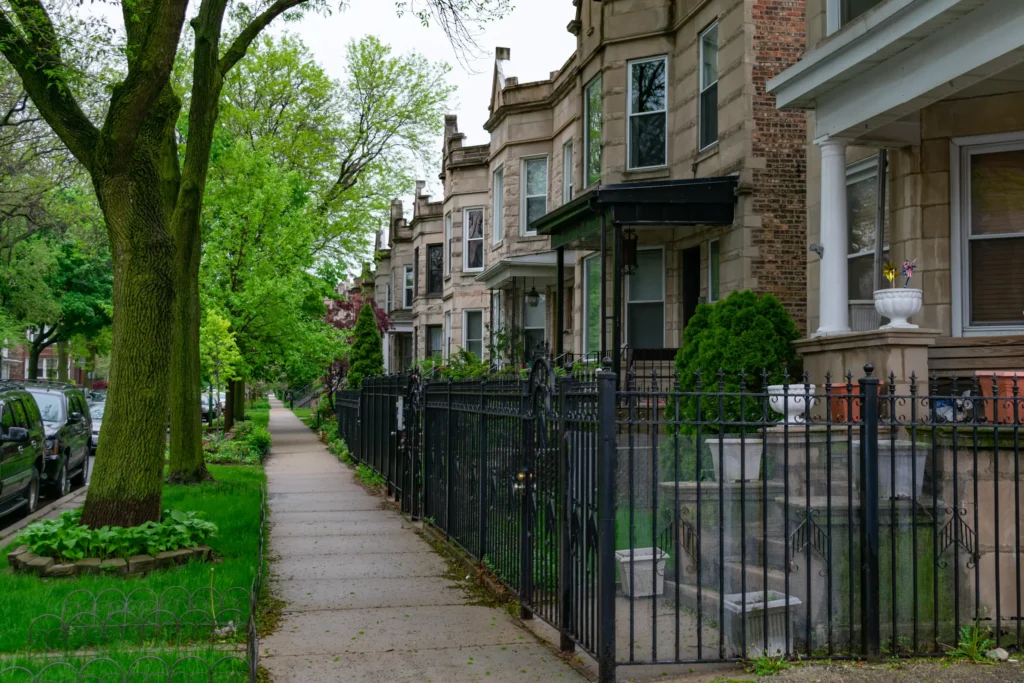
Yes. Property investment companies buy foundation-issue homes as-is. No structural repairs, engineer reports, or permits are required before closing.
Yes. Illinois law requires disclosure of all known structural defects, including cracks, movement, and prior repairs. Concealing known issues creates legal liability after closing.
Rarely. Most conventional lenders reject financing on homes with unresolved structural problems, which makes cash buyers the most reliable option.
Most cash sales close in 7–14 days from an accepted offer. There’s no lender approval, structural inspection contingency, or repair completion to wait on.
Yes. Chicago’s expansive clay shifts with freeze-thaw cycles each winter, causing ongoing movement in older homes. Selling before issues worsen locks in your current offer value.
Not when you sell to a cash buyer. A property investment company assesses foundation damage during the walkthrough, so no engineer report is required from you before closing.
You don’t have to face engineer reports, contractor bids, or a lender rejection. Tell us about your property and we’ll respond with a no-obligation cash offer, usually within 24 hours.