
1
Taxes become delinquent.
Cook County mails a notice after your due date passes. Interest and penalties can start accruing right away.

Falling behind does not mean you have lost your home. You still have time and real options. A cash sale pays off the tax lien and keeps your remaining equity yours.
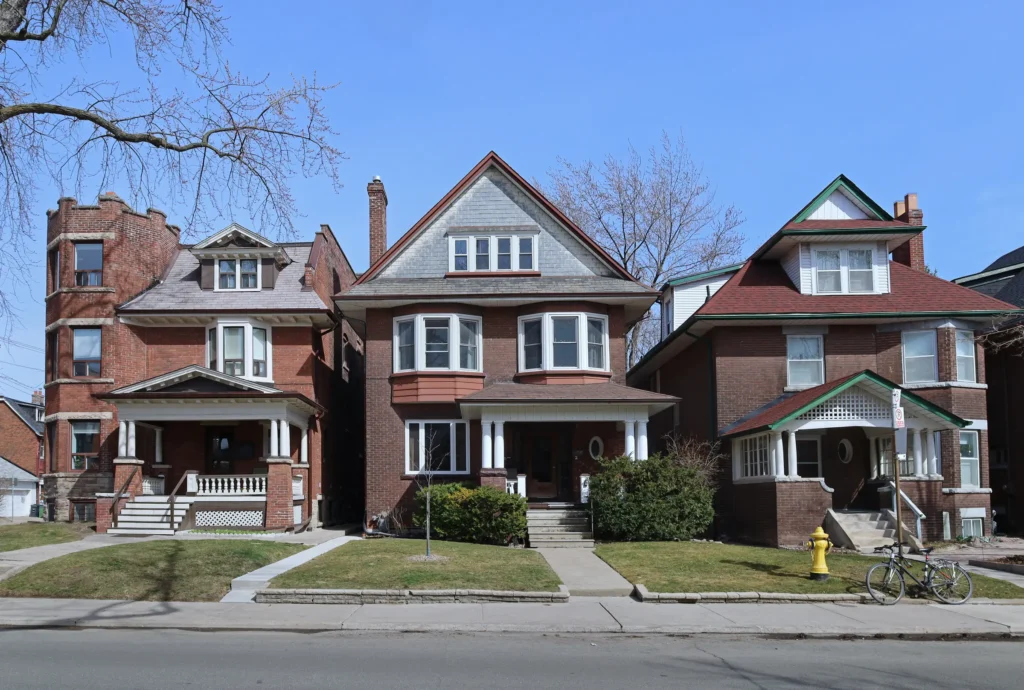
In Chicago, homeowners behind on property taxes face Cook County tax lien sales, penalty interest, and eventual loss of ownership if they miss the redemption window.
This page covers tax sale notices, scavenger sale properties, lien accumulation, and homes at risk of forfeiture, in any Chicago neighborhood.
Request a confidential cash offer online. We respond within 24 hours and coordinate the lien payoff directly at closing.
As a property investment company, we buy tax-delinquent homes as-is, so you exit before the tax sale deadline and keep your remaining equity.
Quick Answer for Chicago Homeowners
Cook County sells delinquent tax liens, not the house itself at first. You can still pay the redemption amount or sell before the deadline. A sale can pay the lien at closing and protect remaining equity.
Cook County mails a notice after your due date passes. Interest and penalties can start accruing right away.
The lien becomes public record and can block refinancing or a traditional sale until it is paid off.
Private investors can buy your delinquent tax debt at the Annual Tax Sale. You then owe taxes plus added interest.
Pay the full delinquent amount plus interest before the redemption deadline to remove the lien and keep your home.
If you do not redeem in time, the investor can move to take ownership through Cook County Circuit Court.
Sale proceeds pay the lien at closing. Any remaining equity goes to you instead of being lost.
You do not need to pay the full tax balance before requesting an offer. In many sales, delinquent taxes, penalties, and lien payoff amounts are handled through title at closing.

If you’re in Austin, Roseland, or Lawndale and you’ve received a certified delinquency notice, it helps to know exactly what’s happening — and what isn’t.
Cook County sells delinquent tax liens, not the property itself, to private investors. You keep your home as long as you pay the full redemption amount within the window the law allows, generally 2.5 years for residential properties.
The Treasurer’s Office typically holds the Annual Tax Sale roughly a year after the Second Installment due date and mails certified notices to affected owners beforehand.
That said, state legislation has shifted tax sale scheduling in recent years, so it’s worth checking the current date directly with the Cook County Treasurer’s Office rather than assuming a fixed timeline.
Redemption Deadline
If you are in Englewood, West Pullman, or South Shore and you have received a redemption expiration notice, time matters more now than at any earlier stage.
If you miss the redemption window, the tax buyer can petition Cook County Circuit Court for a tax deed.
If that deed is granted, you lose the property and all your equity, with no further recourse.
The tax buyer can ask Cook County Circuit Court to transfer ownership after the redemption period expires.
If the deed is issued, your remaining equity can be lost instead of paid to you through a normal sale.
Long-delinquent properties may enter Cook County’s Scavenger Sale, which often moves faster than the standard residential process.
Properties that do not sell at the Annual Tax Sale can enter Cook County’s Scavenger Sale. Redemption periods on scavenger, vacant, or commercial properties are often much shorter than the standard residential window, sometimes around six months, so these cases need faster action.
Before You Lose Options
If you are in Humboldt Park, Auburn Gresham, or Chatham, you have more paths available than a sale alone.
A Cook County installment payment plan may help you catch up if your income supports the required payments.
Senior, disability, or veteran exemptions through the Assessor’s Office may reduce what you owe going forward.
Chapter 13 bankruptcy may halt tax foreclosure and create a repayment plan, but the property taxes still need to be paid.
A fast cash sale can pay off the tax lien at closing and preserve any equity left after payoff.
Cook County Legal Aid for Housing and Debt offers free legal help for homeowners facing tax foreclosure.
You can dial 211 for Metro Chicago to connect with broader housing resources across the city.
Selling Before the Tax Sale
If you are in Beverly, Pilsen, or Rogers Park and ready to sell, you do not need to clear your tax debt first.
You can request a cash offer even if delinquent taxes, interest, or penalties are still attached to the property.
The title company identifies delinquent taxes, lien interest, and penalties that need to be paid at closing.
Tax debt is paid directly from your sale proceeds. You do not need to resolve it before listing or accepting an offer.
A Chicago cash sale typically closes in 7 to 14 days, well within the redemption window for most Cook County tax situations. Acting before the Annual Tax Sale date helps protect your options and your equity.
Cook County Exemptions
If you are in Portage Park, Hyde Park, or Albany Park, you may qualify for an exemption that reduces your bill before delinquency gets worse.
Illinois exemptions lower your property’s Equalized Assessed Value and reduce future tax bills.
Apply through the Cook County Assessor’s Office at (312) 443-7550.
This exemption may reduce taxable value for a qualifying primary residence in Cook County.
Senior homeowners may qualify for added tax relief based on age, income, and property status.
Returning Veterans, Disabled Veterans, and Disabled Persons exemptions may reduce qualifying tax bills.
The Assessor’s Office maintains satellite locations outside the Loop for residents who cannot easily reach downtown. Check the Assessor’s website for current locations and hours.
This page is general information about Cook County property tax delinquency, not legal or financial advice. Tax sale schedules, redemption periods, and exemption rules can change. Before you make a decision, confirm your specific timeline with the Cook County Treasurer’s Office and talk with a real estate attorney or housing counselor about your situation.
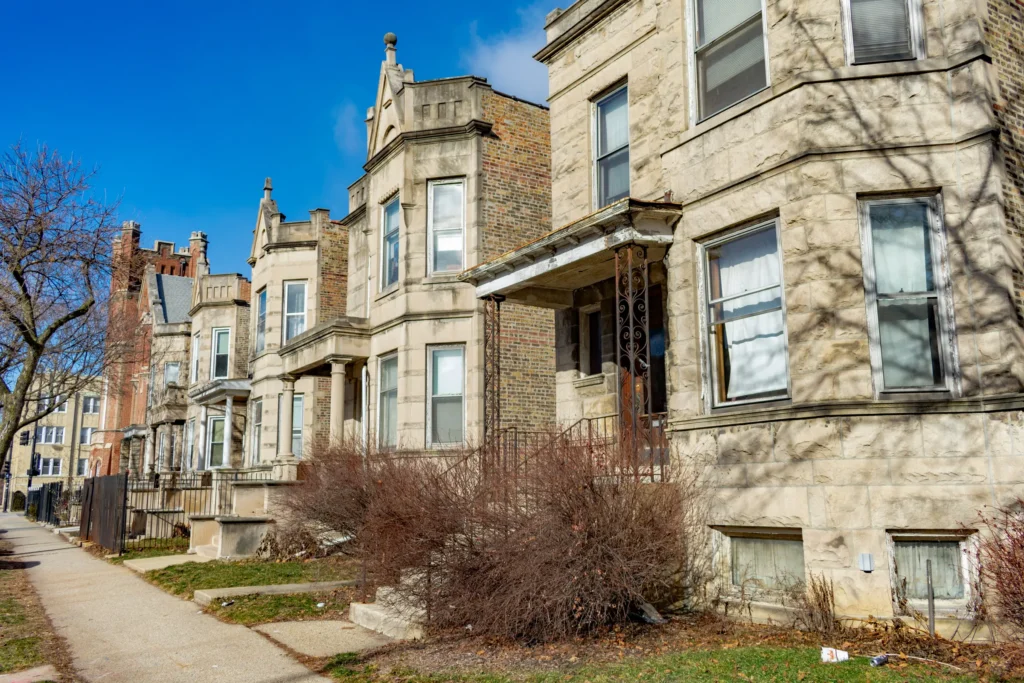
Yes. Delinquent taxes, lien interest, and penalties are paid from your sale proceeds at closing. You don’t need to pay them separately before accepting a cash offer.
Illinois generally gives homeowners 2.5 years from the Annual Tax Sale to redeem delinquent residential taxes. Missing that window lets the tax buyer petition for a deed. Scavenger and vacant-property sales carry shorter redemption periods, so confirm your exact deadline with the Treasurer’s Office.
Cook County sells tax liens on delinquent properties to private investors, typically about a year after the Second Installment due date. You still own the home, but you now owe the investor the redemption amount plus interest.
Cook County Legal Aid for Housing and Debt offers free legal help. You can also contact the Cook County Assessor’s Office at (312) 443-7550 to ask about exemptions.
Yes. Chapter 13 stops tax foreclosure immediately and sets up a repayment plan. That said, the taxes still need to be paid eventually to keep the home long-term.
If a tax deed is issued, you lose the property and all equity above the delinquent tax amount. Selling before the redemption deadline preserves whatever equity you have left.
You don’t have to solve delinquent taxes before you sell. Tell us about your property and we’ll respond with a no-obligation cash offer, usually within 24 hours, and handle the lien payoff at closing.