
1
Document all damage.
Photograph every affected area, and save plumber reports, insurance adjuster findings, and remediation estimates.

Basement flooding, a burst pipe, or a sewer backup? We buy homes with flood damage, mold, and water damage as-is. You skip every contractor bid and move on fast.
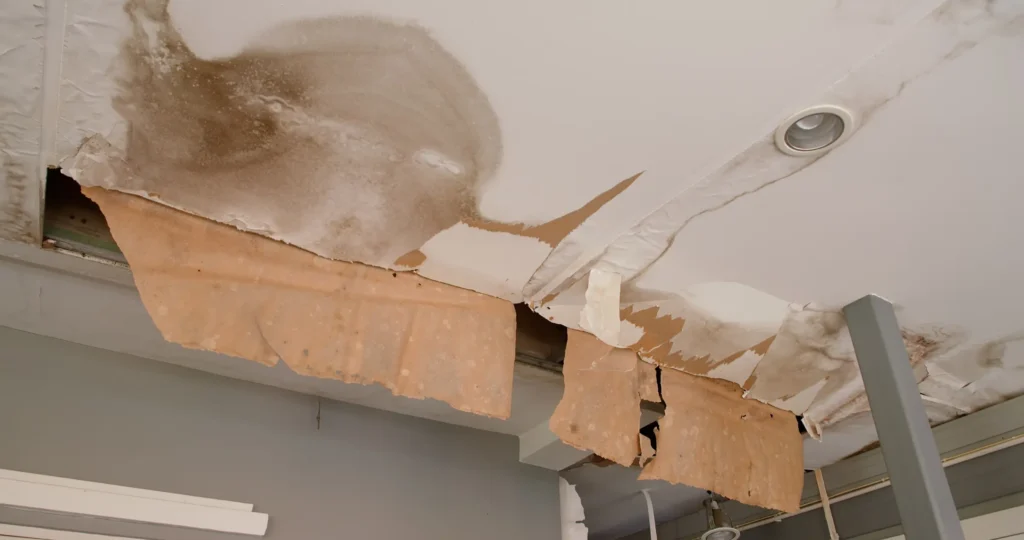
In Chicago, homeowners with water-damaged properties can sell directly to a property investment company — no remediation, no mold removal, and no contractor estimates required.
This page covers basement flooding, burst pipes, sewer backup, mold growth, and structural water damage across any Chicago neighborhood or property type.
Request a no-obligation cash offer online. We evaluate your property from photos or a walkthrough and respond within 24 hours.
As a property investment company, we buy water-damaged homes as-is, so you skip insurance delays, remediation costs, and months of uncertainty in the traditional market.
Quick Answer for Chicago Homeowners
A water-damaged house can be sold as-is in Chicago. The key is documenting the damage, handling insurance carefully, disclosing known issues, and choosing a buyer who can close without repair conditions.
Photograph every affected area, and save plumber reports, insurance adjuster findings, and remediation estimates.
Do not cancel coverage or accept a final payout before selling. A cash buyer can coordinate around an active claim.
We evaluate water-damaged homes from photos or a walkthrough, usually within 24 hours.
Illinois law requires sellers to disclose flooding history, water seepage, and mold, even after repairs are complete.
Accept the offer with no obligation, and review it with a real estate attorney before signing.
No repairs, no lender approval, no cleanup. Funds are delivered through a licensed Illinois title company.
A direct cash sale can help you avoid mold remediation delays, insurance disputes, financing issues, and months of uncertainty on the traditional market.
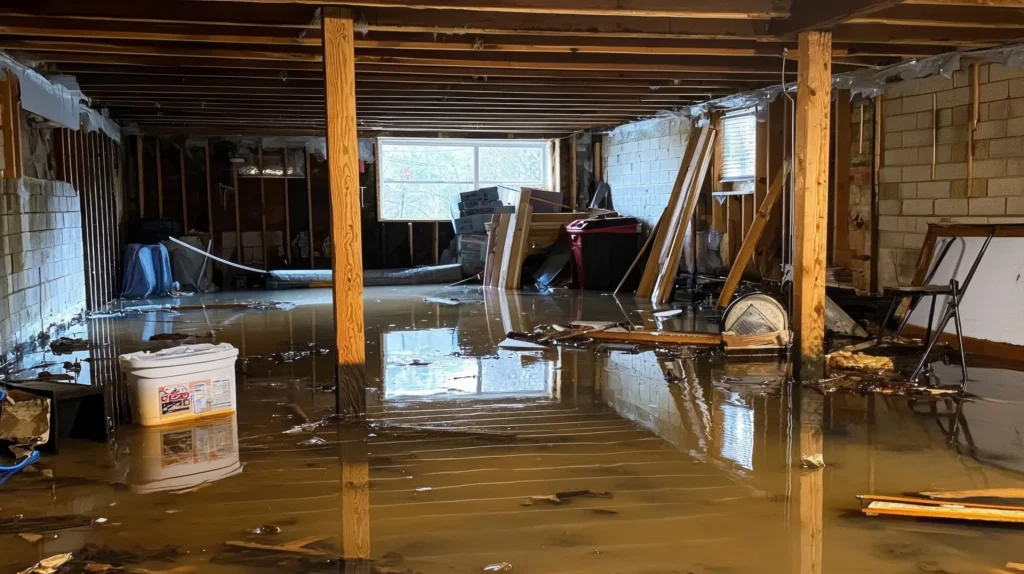
If you’re in Bridgeport, South Shore, or Norwood Park and you’ve listed a water-damaged home only to watch a buyer lose financing after inspection, you’ve hit a wall that has nothing to do with your price.
Conventional lenders generally won’t approve a mortgage on a home with unresolved moisture, mold, or structural water damage. That leaves cash buyers as the only reliable buyer pool for these properties, regardless of location or condition.
Chicago’s older sewer systems, including combined storm and sanitary lines, cause frequent basement backups in neighborhoods like Ravenswood, Beverly, and Jefferson Park. Those issues can kill traditional financing even when the surface damage looks minor.
Seller Disclosure
If you are in Lincoln Square, Portage Park, or Hyde Park, you may not be sure what Illinois law requires you to tell a buyer about past flooding, sewer backup, or water intrusion you have already repaired.
Illinois requires full disclosure of all known material defects, including flooding history, water seepage, and mold, even if repairs are complete.
A cash buyer accepts full disclosure and still closes without demanding repairs before closing.
Disclose known basement flooding, stormwater intrusion, standing water, or past flood-related repairs.
Share known sewer backup, water seepage, drain issues, or recurring moisture problems.
Known mold, damp drywall, damaged framing, or repaired water intrusion should be disclosed before the sale.
Chicago real estate closings are attorney-led. A real estate attorney, typically $700 to $1,200, reviews your disclosure documents and helps protect you from liability on water damage claims after the sale.
Cash Offer Pricing
If you are in Avondale, Humboldt Park, or Auburn Gresham and want to understand how a cash offer gets calculated on a flooded or moldy home before you request one, here is how it works.
Investors estimate what your home could sell for after remediation, repairs, and resale preparation are complete.
The offer accounts for remediation costs, structural repair estimates, holding costs, and the time needed to complete the work.
A transparent buyer shows you the full calculation and explains each deduction before you sign anything.
Category 1 clean water from a burst pipe costs far less to remediate than Category 3 black water from a sewer backup, which often requires full material replacement. Buyers who know current Cook County market conditions price these types accurately.
Before Mold Spreads
If you are in Rogers Park, Lawndale, or West Pullman and your flooded property is sitting uninhabitable, it can lose value every week as mold spreads through drywall and framing.
Mold growth can begin within 24 to 72 hours of water intrusion. Waiting can make remediation more expensive.
Selling quickly can preserve your home’s current value before repair costs rise and buyer offers start to decline.
Chicago’s freeze-thaw cycle causes burst pipes every winter in homes with aging plumbing.
A property left unheated after a pipe bursts can develop mold within days, not weeks. Speed matters when the home is already damp, open, or uninhabitable.
Remediate or Sell As-Is
If you are in Edgewater, Albany Park, or Roseland weighing remediation bids of $10,000 to $50,000 or more against a fast cash sale, compare the true costs before deciding.
When remediation and repair costs run past 50% of your home’s after-repair value, selling as-is often nets you more money.
You avoid contractor delays, insurance disputes, permit costs, and months of mortgage and tax payments during restoration.
Chicago basement flooding often uncovers additional repairs once demolition and remediation begin.
Foundation crack sealing, sump pump installation, and waterproofing systems can add $8,000 to $20,000 beyond the initial estimate.
If the repair plan is too expensive or uncertain, an as-is sale may let you move forward without taking on the restoration risk.
The real decision is not just the remediation bid. It is the bid, the surprise repairs, the carrying costs, and the risk of spending months restoring a home that may still be hard to finance.
This page is general information about selling water-damaged property in Illinois, not legal, financial, or insurance advice. Every property is different. Before you sign anything, talk with your insurance adjuster and a licensed Illinois real estate attorney about your specific case.
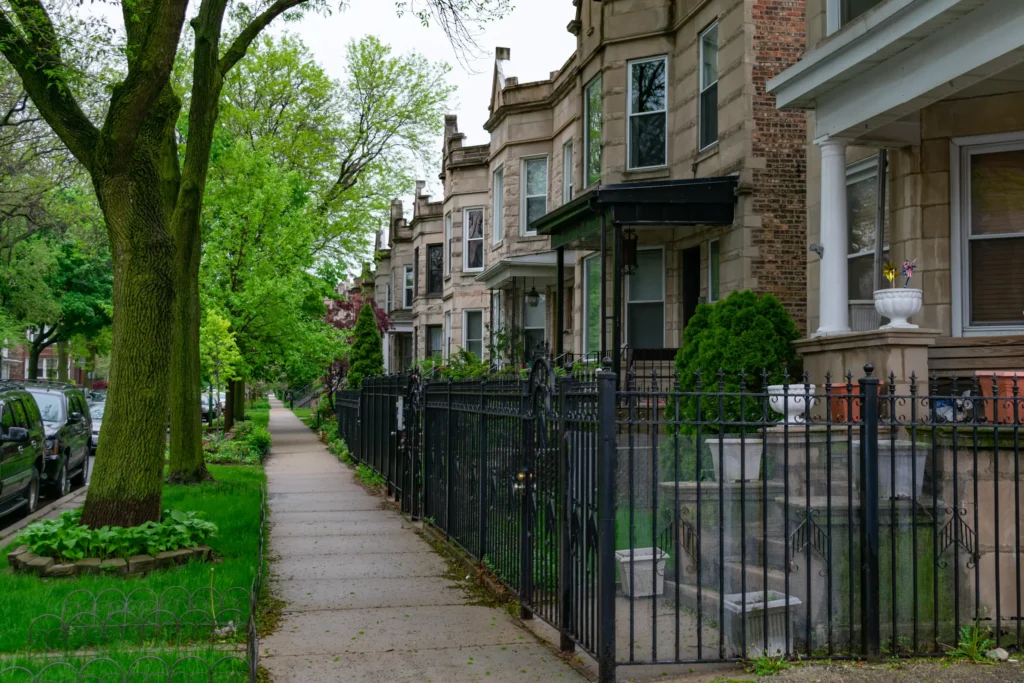
Yes. Property investment companies buy water-damaged homes as-is. No remediation, mold removal, or structural repairs are required before closing.
Yes. Illinois law requires disclosure of all known flooding, water seepage, and sewer backup history, even after repairs are completed. Failing to disclose creates legal liability.
Don’t cancel your coverage or accept a final settlement before selling. A cash buyer coordinates around an active claim and can factor your insurance status into the sale.
Most cash sales close in 7–14 days from an accepted offer. There’s no lender approval, mold inspection, or remediation to wait on.
Cash buyers purchase Category 3 sewer-damaged properties as-is. No cleanup or material removal is required before closing — the investor handles full remediation after the sale.
Yes. Investment companies buy water-damaged condos, two-flats, and apartment buildings as-is. HOA liens and outstanding assessments get resolved through title at closing.
You don’t have to face remediation crews, insurance disputes, or a stalled listing. Tell us about your property and we’ll respond with a no-obligation cash offer, usually within 24 hours.