
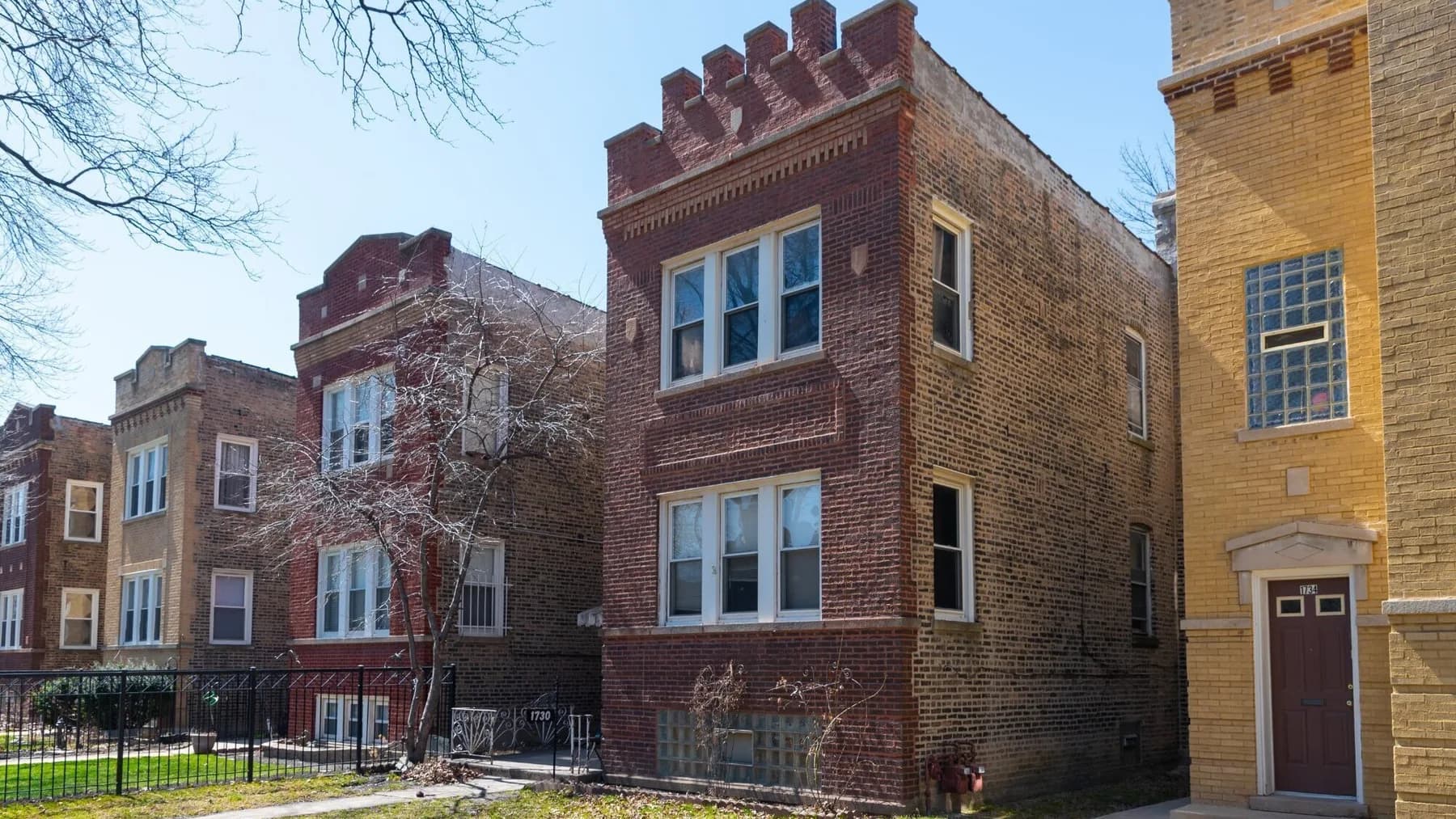
Chicago’s Highest Foreclosure Neighborhoods
Foreclosure pressure is rising again in Chicago, and it is not hitting every area the same way.
According to ATTOM’s midyear 2025 foreclosure report, Illinois had one of the highest foreclosure rates in the country in the first half of 2025, and the Chicago metro ranked among the highest-rate large metros in the nation. ATTOM reported Illinois at about 0.23% in the first half of 2025 and Chicago at about 0.26%, or roughly 1 in every 385 housing units, among metros with more than 1 million residents.
That does not mean every Chicago neighborhood is seeing the same level of distress. In practice, foreclosure pressure tends to hit hardest in areas already dealing with lower incomes, aging housing stock, vacancy, tax delinquency, and long-term disinvestment. Public and nonprofit land-bank efforts in Cook County are built around exactly those patterns of vacant and distressed property.
If you are behind on payments, the most important thing is to act early. Illinois homeowners can get free foreclosure-prevention counseling through IHDA, and the City of Chicago also lists housing counseling centers that help homeowners navigate loss mitigation and foreclosure avoidance.
If time is already short, Dello Investments buys houses in Chicago as-is and can help homeowners sell before foreclosure moves further.
Chicago foreclosure pressure is real
The big picture matters first.
ATTOM’s year-end 2025 report showed foreclosure filings rose nationwide in 2025, with Illinois ranking among the states with the worst foreclosure rates. The same report also showed the Chicago metro had one of the highest foreclosure rates among large U.S. metros and one of the highest counts of foreclosure starts and lender repossessions.
That is why homeowners in financially stretched areas should pay attention early. When foreclosure activity rises at the metro level, the damage usually shows up most in neighborhoods where owners already have less room to absorb a missed paycheck, repair bill, tax increase, or rate shock. This is also consistent with Cook County research and land-bank work focused on returning vacant and abandoned properties to productive use in impacted communities.
Why some Chicago neighborhoods get hit harder
Foreclosures rarely happen in a vacuum. They usually show up where several problems overlap.
Common pressure points include:
- lower household income
- job instability
- rising property taxes or housing costs
- aging homes with expensive repairs
- limited savings
- inherited property issues
- vacancy nearby
- difficulty refinancing or modifying the loan
That is one reason foreclosure clusters tend to show up in neighborhoods with longer histories of disinvestment. In Chicago, this often means parts of the South and West Sides are more vulnerable to distress than higher-income areas with stronger equity cushions and easier access to credit. That pattern is reflected in county and nonprofit efforts focused on vacant and tax-delinquent property in predominantly disinvested communities.
Neighborhoods that often face heavier foreclosure and distress pressure
This is where it helps to be careful.
No single public source gives a perfect real-time neighborhood ranking for every Chicago community. But foreclosure pressure and vacancy have repeatedly been associated with historically disinvested South and West Side neighborhoods, along with parts of the south suburbs. County research and reporting on tax-delinquent and vacant property have highlighted communities such as Riverdale, Calumet City, Calumet Park, Ford Heights, and other predominantly minority communities in the south suburban area.
Within Chicago itself, neighborhoods that are often discussed in the same broader distress conversation include areas such as:
- Roseland
- Auburn Gresham
- Washington Heights
- Englewood
- Austin
- Garfield Park
- North Lawndale
We are treating that list as a practical market pattern rather than a verified current ranking, because the strongest source data available here is metro- and county-level, not a current official neighborhood league table. What is clear is that foreclosure risk tends to concentrate where vacancy, tax stress, and housing disinvestment already exist.
Why foreclosures rise in the first place
Payment stress
A lot of homeowners are not just dealing with a mortgage payment. They are dealing with taxes, insurance, utilities, food costs, and repair bills at the same time.
Limited refinance options
When rates are high, struggling owners may not be able to refinance into something more affordable. That can trap them in a payment they cannot comfortably sustain.
End of temporary relief
Pandemic-era pauses and assistance programs are gone for many borrowers. Once those protections roll off, missed payments can move toward default faster.
Older homes need money
In many Chicago neighborhoods, the housing stock is older. Roofs, porches, furnaces, plumbing, and masonry can all become major costs. For a homeowner already behind, one big repair bill can push the situation over the edge.
The ripple effect on neighborhoods
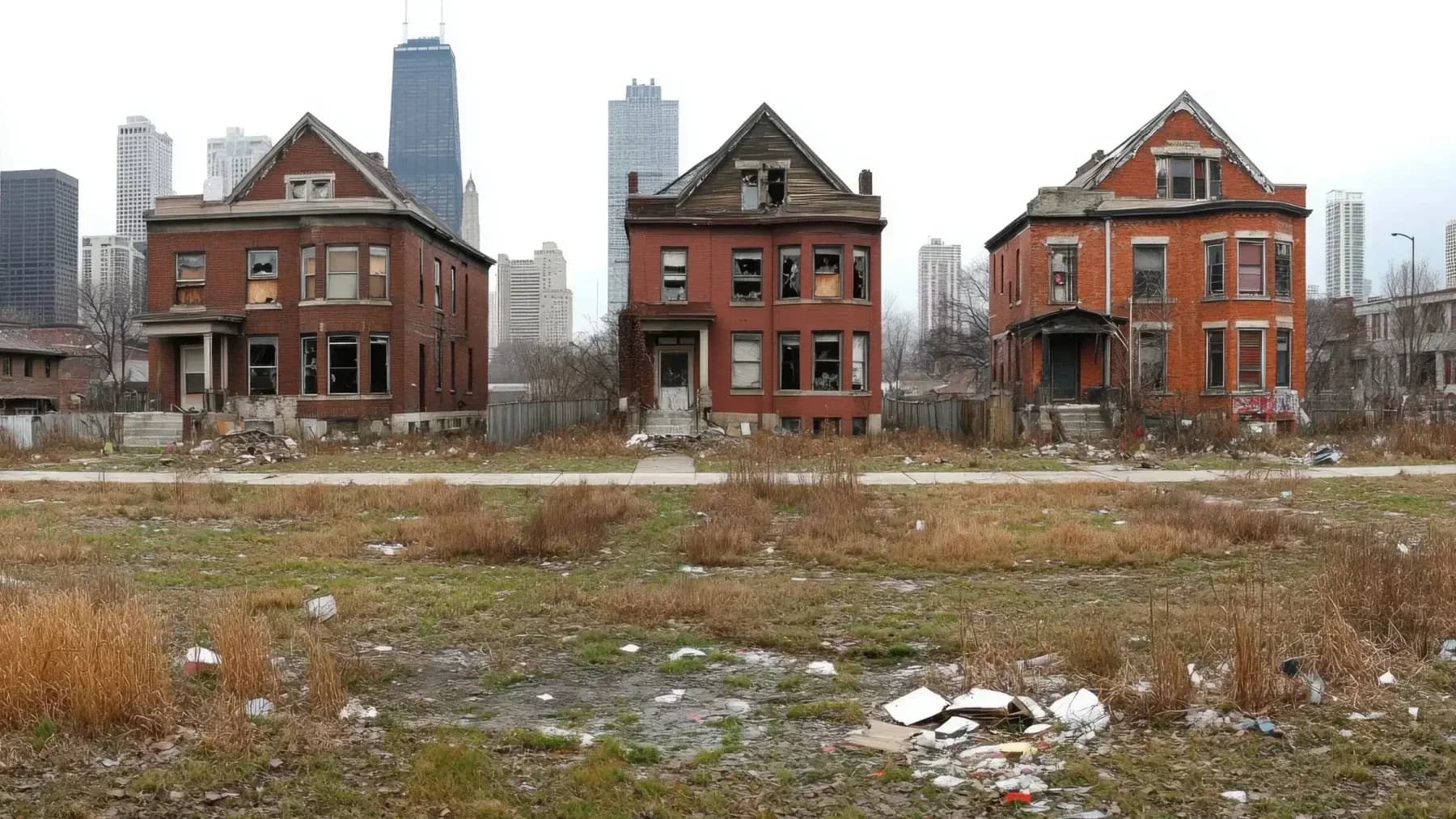
Foreclosures hurt more than the homeowner in default.
They can also lead to:
- lower nearby sale prices
- more vacant homes
- security issues
- maintenance problems
- slower neighborhood recovery
- investor-heavy turnover
Cook County’s land-bank and tax-sale research both point to the way distressed properties can either contribute to blight or, if handled well, become part of neighborhood revitalization.
What homeowners should do early
If you are worried about foreclosure, acting early gives you the best chance at a better outcome.
1. Call a housing counselor
IHDA says foreclosure prevention counseling is free for Illinois homeowners having trouble with their mortgage, and counselors can help review your finances, talk with the lender, and explain your options.
2. Contact your lender or servicer
Ask about hardship options, repayment plans, or loss mitigation before the case moves further.
3. Watch for scams
IHDA warns that foreclosure rescue scams exist and says homeowners should never have to pay for foreclosure assistance. The agency specifically warns against pressure tactics and signing over your deed.
4. Be realistic about the house
If the home needs major repairs, has low equity, or catching up is no longer realistic, selling before foreclosure may be the cleaner path.
Selling before foreclosure
For some owners, the best move is not trying to hold on at all costs. It is exiting before the foreclosure process does more damage.
A pre-foreclosure sale can help you:
- stop the process earlier
- avoid a longer court path
- prevent the house from sitting vacant
- move on before more late fees, legal fees, or property issues pile up
That is especially true if the home needs work or you do not have time for a traditional listing.
If you need to sell quickly, Dello Investments buys houses in Chicago as-is and works with homeowners who want to sell before foreclosure moves too far.
Final thoughts
Chicago is not seeing foreclosure pressure evenly. The risk tends to land hardest in places already dealing with financial strain, vacancy, and older housing challenges.
The most important move is not guessing which neighborhood is “worst.” It is recognizing the warning signs early and acting before the process gets harder to stop.
If you are behind on payments, start with free counseling and honest conversations about your options. And if keeping the house is no longer realistic, selling before foreclosure may be the best way to protect your time, credit, and peace of mind.
Questions, Answered
What homeowners ask us most.
Yes. ATTOM reported higher foreclosure activity in 2025, and the Chicago metro ranked among the highest-rate large metros in the country.
There is not one current official neighborhood ranking in the sources reviewed here, but foreclosure pressure tends to concentrate in communities already facing disinvestment, vacancy, tax stress, and older housing challenges, especially in parts of the South and West Sides.
Usually because of payment stress, higher housing costs, limited refinance options, low savings, and older homes that require costly repairs. Metro-level data shows foreclosure activity has risen in both Illinois and Chicago.
This is what makes us stand out from the traditional method of selling your mobile home: There are NO fees or commissions when you sell your mobile home to us. We’ll make you an offer, and if it’s a fit then we’ll buy your mobile home (and we’ll often pay for the closing costs too!). No hassle. No fees. We make our money after we pay for repairs on the mobile home (if any) and sell it for a profit (we’re taking all of the risks here on whether we can sell it for a profit or not, once we buy the mobile home from you… the responsibility is ours and you walk away without the burden of the property and its payments… and often with cash in your hand).
Real estate agents list properties and hope that someone will buy them. The agent shows the properties to prospective buyers if there are any (the average time to sell a property in many markets right now is 6-12 months) and then takes a percentage of the sale price if they find a buyer. Oftentimes, the agent’s commission is 3-6% of the sale price of your home (so if it’s a $100,000 home, you’ll pay between $3,000 – $6,000 in commissions to an agent). Agents provide a great service for those that can wait 6-12 months to sell and who don’t mind giving up some of that sale price to pay for the commissions. But that’s where we’re different: We’re not agents, we’re home buyers. Our company actually buys homes. We don’t list homes. Since we’re actually the ones buying the home from you, and we pay with all cash…we can make a decision to buy your home within a couple of days (sometimes the same day). Again, we make our living by taking the risk to buy the home with our own cash, repair the home, and market it ourselves to find a buyer (which is the hard part in this market).
There is absolutely zero obligation for you. Once you tell us a bit about your property, we’ll take a look at things, maybe set up a call with you to find out a bit more, and make you an all-cash offer that’s fair for you and fair for us. From there, it’s 100% your decision on whether or not you’d like to sell your home to us… and we won’t hassle you, won’t harass you… it’s 100% your decision and we’ll let you decide what’s right for you.
Get your fair cash offer today.
It takes five minutes to start and costs nothing to hear the number, and when you call, text, or send the form, Karen's team answers seven days a week.