
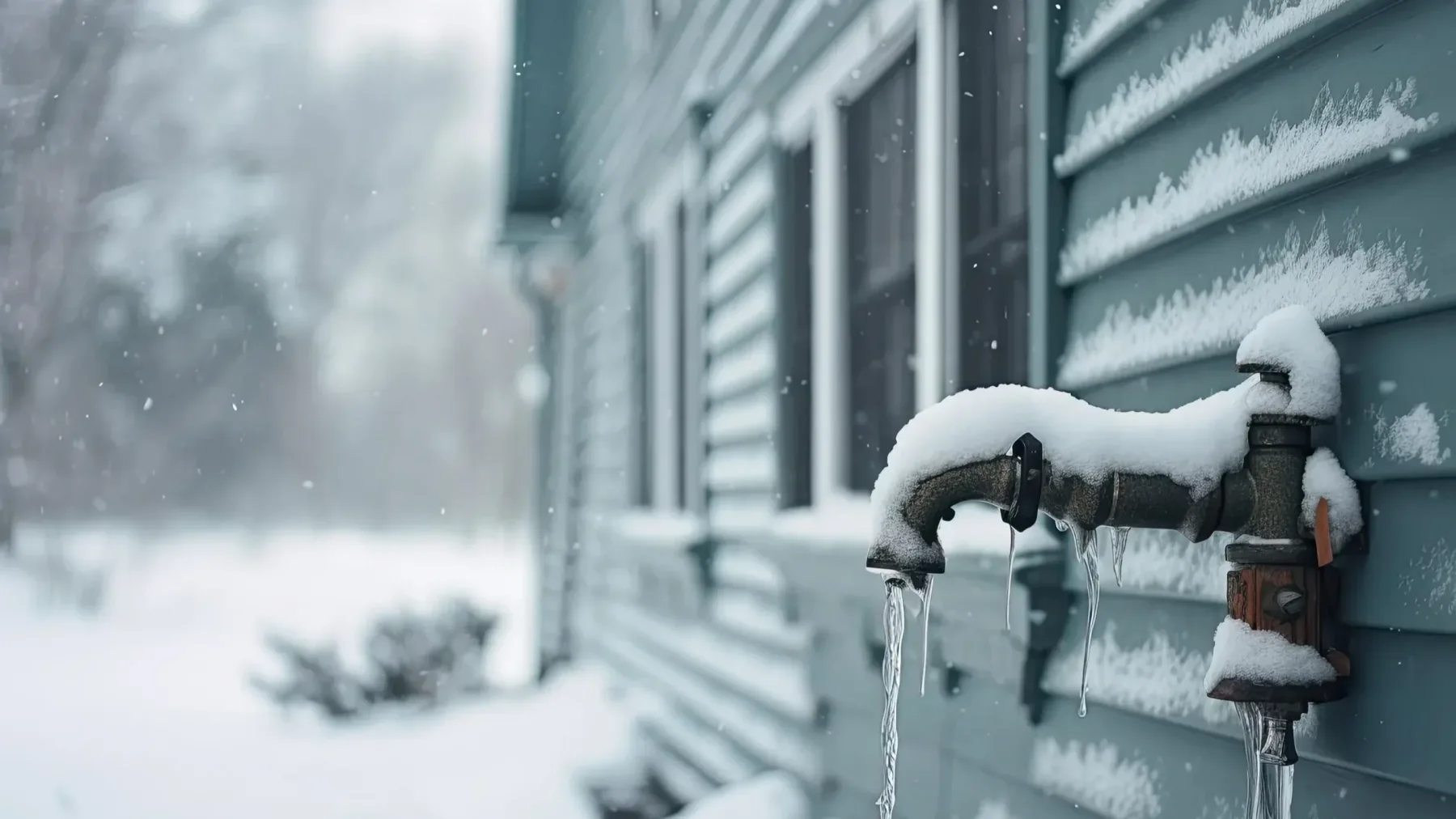
How Much Does It Cost to Winterize a House in 2026?
If you are trying to figure out how much it should cost to winterize a house, the short answer is this: most homeowners spend about $200 to $800 for professional winterization, depending on the size of the home, the systems involved, and whether the property is occupied or vacant.
That price can feel high at first. But compared to the cost of frozen pipes, water damage, higher heating bills, or emergency repairs during a Chicago cold snap, winterization is usually money well spent.
For an average house, basic winterization may only cost a few hundred dollars. For a vacant property, a larger home, or a house with plumbing vulnerabilities, the cost can climb higher because the work is more involved.
In this guide, we will break down:
- how much it costs to winterize a house
- what professional winterization usually includes
- DIY winterization costs
- what it costs to winterize a vacant house
- how to compare quotes without overpaying
If you are winterizing an empty property just to hold onto it, there may be a simpler option. Dello Investments buys vacant houses in Chicago as-is, so you can skip repairs, seasonal upkeep, and ongoing carrying costs.
How Much Does It Cost to Winterize a House?
For most homes, professional winterization costs between $200 and $800.
Here is a simple breakdown by home size:
Small homes under 1,500 square feet:
$200 to $400
Medium homes from 1,500 to 2,500 square feet:
$350 to $600
Large homes over 2,500 square feet:
$500 to $800 or more
In most cases, that price covers the basics, such as:
- disconnecting hoses and winterizing outdoor faucets
- replacing or checking HVAC filters
- inspecting exposed pipes in vulnerable areas
- checking weatherstripping and air leaks
- inspecting attic, crawl space, or basement trouble spots
DIY winterization is usually cheaper on paper. Most homeowners spend about $100 to $300 on materials, but that usually means giving up a full weekend and handling the work yourself.
Average Cost to Winterize a House: What Homeowners Should Expect
Winterization costs vary, but most pricing comes down to three things:
- the size of the house
- the scope of the work
- whether the property is occupied or vacant
A basic package on a newer or smaller home may stay near the low end of the range. A more complete package on an older Chicago home with exposed plumbing, drafts, or poor insulation will usually cost more.
In Chicago, prices often land in the middle to upper end of the normal range because winters are harsher and homes often need more protection. Older bungalows, two-flats, frame houses, and homes with basements or crawl spaces tend to have more winter vulnerabilities than newer homes.
What affects the final cost?
Home size
Larger homes have more square footage, more plumbing runs, more doors and windows, and more areas to inspect.
Home age
Older homes usually need more sealing, more insulation attention, and more careful plumbing checks.
Pipe accessibility
Pipes in unfinished basements are easier to work on than pipes in crawl spaces, behind access panels, or near exterior walls.
Current condition
A house that already has decent insulation and weatherstripping costs less to winterize than one with obvious drafts and exposed pipes.
Timing
If you wait until the first hard freeze is close, you may pay more for rush scheduling.
Winterization Cost Breakdown by Service
If you are reviewing quotes, it helps to know what each service usually covers.
Outdoor faucet winterization: $75 to $150
This includes disconnecting hoses, shutting off indoor valves where available, draining the line, and protecting exterior faucets. This is one of the most important steps because outdoor lines are a common freeze point.
Sprinkler blowout: $75 to $175
If the property has an irrigation system, it needs to be properly blown out before freezing weather. More zones usually mean higher cost.
Pipe insulation in vulnerable areas: $100 to $300
This covers exposed pipes in crawl spaces, basements, utility rooms, garages, or near exterior walls. The more exposed plumbing the house has, the more this costs.
HVAC inspection or seasonal service: $80 to $200
This may include filter replacement, thermostat check, airflow review, and a basic heating system inspection.
Weatherstripping and caulking: $150 to $300
This covers sealing gaps around windows, doors, and penetrations where cold air gets in.
Gutter cleaning: $100 to $250
Clean gutters reduce the risk of ice dams, roof leaks, and drainage issues.
Attic insulation review
Many winterization providers inspect insulation as part of the service, but actual insulation upgrades are usually priced separately.
Winterization Costs by Home Size
Small homes under 1,500 square feet: $200 to $400
These homes usually have fewer outdoor faucets, shorter plumbing runs, and one main heating system. Winterization is faster and more straightforward.
Medium homes 1,500 to 2,000 square feet: $350 to $500
This is a common price range for many Chicago single-family homes. These properties usually have one furnace, a basement or crawl space, and a moderate amount of exposed plumbing.
Medium-large homes 2,000 to 2,500 square feet: $450 to $600
These homes often have more exterior wall plumbing, larger attics, and more doors and windows to seal.
Large homes 2,500 to 3,500 square feet: $550 to $750
Larger homes take more labor and more materials, especially if they have multiple levels or more than one heating zone.
Very large homes 3,500 square feet and up: $700 to $1,000+
These homes may include multiple HVAC systems, detached structures, more plumbing, and more extensive insulation work.
Other cost factors
A few things can push pricing higher:
- multi-story layouts
- finished basements with hidden plumbing
- detached garages with plumbing
- split-level or complex floor plans
- older homes with poor insulation or draft issues
How Much Does It Cost to Winterize a Vacant House?
Winterizing a vacant house usually costs more than winterizing an occupied house.
In most cases, the cost to winterize a vacant house is about $300 to $800, depending on the size of the property and how complete the shutdown needs to be.
That is because an empty house cannot rely on normal daily heat and water usage to reduce risk. Vacant properties usually need a more thorough process.
What makes vacant house winterization more expensive?
Full plumbing drain-down
Water lines, fixtures, toilets, appliances, and the water heater may all need to be drained properly.
RV antifreeze in drains and traps
After water is removed, antifreeze is often added to toilets, drains, and traps to protect against freeze damage.
System restart later
If you plan to reuse the house, you may also need to pay to reopen and test the plumbing system in the spring.
For vacant houses, the cost is not just the winterization itself. It is the full cost of holding the property through winter.
That may include:
- winterization
- spring reopening
- property taxes
- insurance
- utilities
- snow removal
- lawn care
- maintenance
- security concerns
For many Chicago owners, that is when the math changes. If the house is sitting empty and you do not plan to move into it or rent it out, it may make more sense to sell it instead of paying to maintain it through another winter.
If that sounds familiar, see how we help homeowners sell a vacant house in Chicago without repairs or cleanup.
–> Chicago vacant buildings information.
DIY Winterization Costs vs. Professional Services
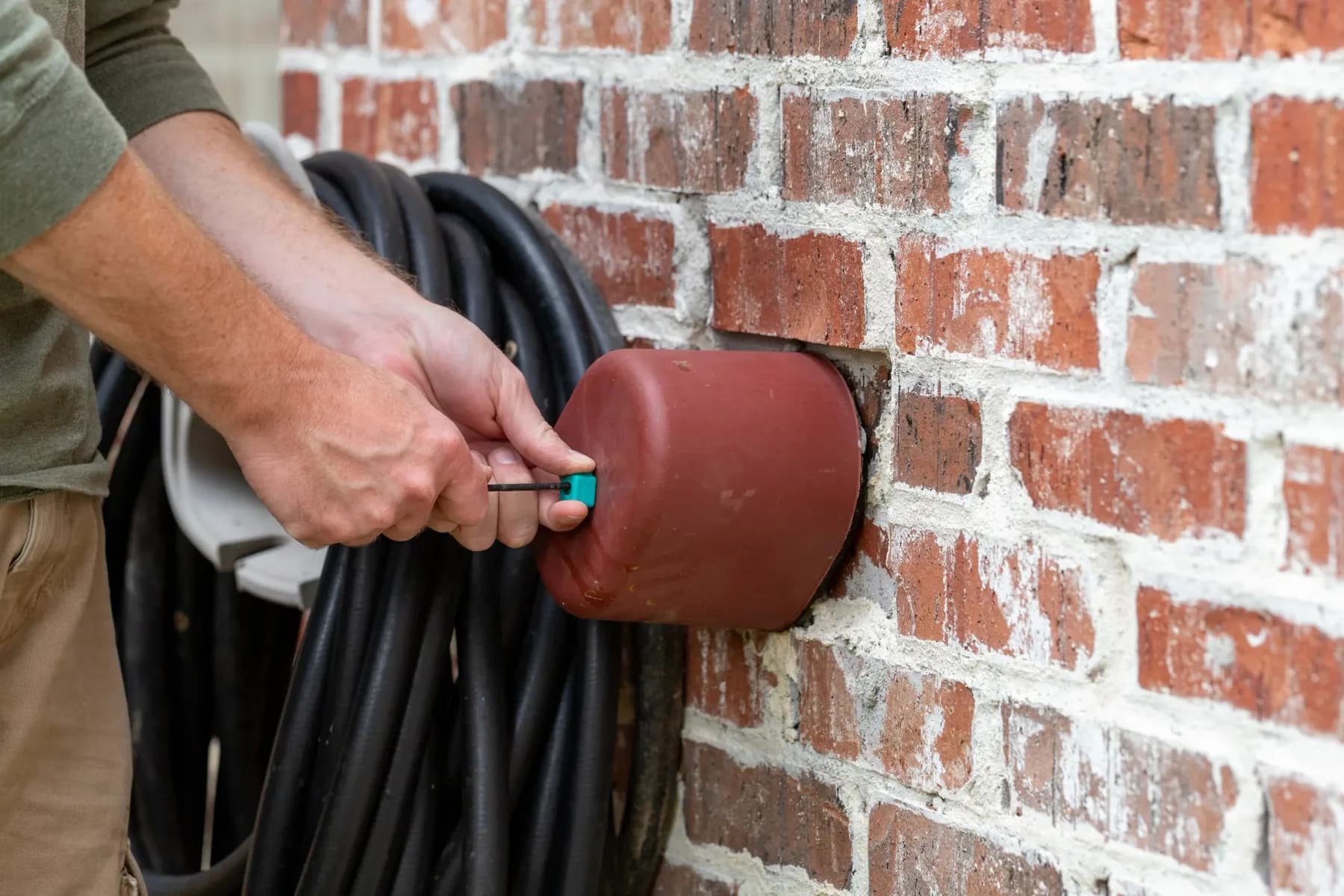
DIY winterization usually costs about $100 to $300 in materials.
Typical DIY supplies include:
- foam pipe insulation
- outdoor faucet covers
- weatherstripping
- caulk
- HVAC filters
- basic hand tools or ladder access
At first glance, DIY looks a lot cheaper. And for some homeowners, it is.
But the tradeoff is time, access, and risk.
What DIY usually costs you
Most homeowners spend 6 to 10 hours doing basic winterization, especially if they need to shop for materials, learn the process, and work through a basement, crawl space, attic, or detached structure.
What professionals usually do better
Professional winterization is faster and usually more complete. A pro can often spot issues like:
- exposed pipes you missed
- failed shutoff valves
- air leaks near foundation penetrations
- attic or crawl space trouble areas
- HVAC issues that affect winter performance
DIY can work for simple preventive tasks. But if the house is older, vacant, or already has plumbing concerns, professional service usually makes more sense.
Empty House in Chicago?
If you are only winterizing because the house is sitting vacant, you may not want to keep paying for seasonal maintenance, taxes, insurance, and repairs.
Dello Investments buys vacant houses in Chicago as-is.
No repairs. No cleanup. No listing. Just a straightforward cash offer and a closing timeline that works for you.
Can You Hire Someone to Winterize Your House?
Yes. Homeowners commonly hire:
- licensed plumbers
- HVAC companies
- handyman services
- specialized winterization contractors
The best fit depends on the property.
If the biggest concern is plumbing freeze protection, a plumber may be the right choice. If the issue is heating efficiency and seasonal furnace prep, an HVAC company may make more sense. For a full-property winterization, some contractors offer bundled service packages.
What a professional winterization service may include
A good winterization service often includes:
- a full walk-through of the property
- outdoor faucet draining and protection
- inspection of exposed plumbing
- basic pipe insulation in vulnerable areas
- HVAC filter replacement or inspection
- weatherstripping and seal review
- notes on problem areas or recommended repairs
A strong provider should also explain what is included and what is not. That matters because some companies only handle basic outdoor plumbing while others offer a much broader service.
How Long Does It Take to Winterize a House?
Professional winterization usually takes 2 to 4 hours for an average home.
Larger houses, vacant properties, or homes with more difficult access may take longer.
DIY winterization usually takes most homeowners 8 to 10 hours total, often spread over a weekend.
That time difference matters. If you are choosing between DIY and hiring it out, part of the real cost is how much your time is worth and how confident you feel doing the work correctly.
How to Evaluate Winterization Quotes
When you start calling around, price alone should not decide it.
A cheap quote is not a good deal if it leaves out the work that actually protects the home.
Red flags
Watch for:
- extremely low prices for “full” service
- vague descriptions like “complete winterization” with no details
- no written estimate
- no mention of insurance or licensing
- pressure to book immediately
- cash-only payment demands without documentation
What good quotes include
A strong quote should clearly show:
- what tasks are included
- whether materials are included
- whether outdoor plumbing, HVAC, and insulation are all covered
- any limitations or exclusions
- the expected labor time
- warranty or callback terms
When to get multiple quotes
For basic winterization, one or two quotes may be enough.
For larger homes, vacant houses, or any job above a few hundred dollars, get at least two or three quotes so you can compare scope, not just price.
Is Winterization Worth the Cost?
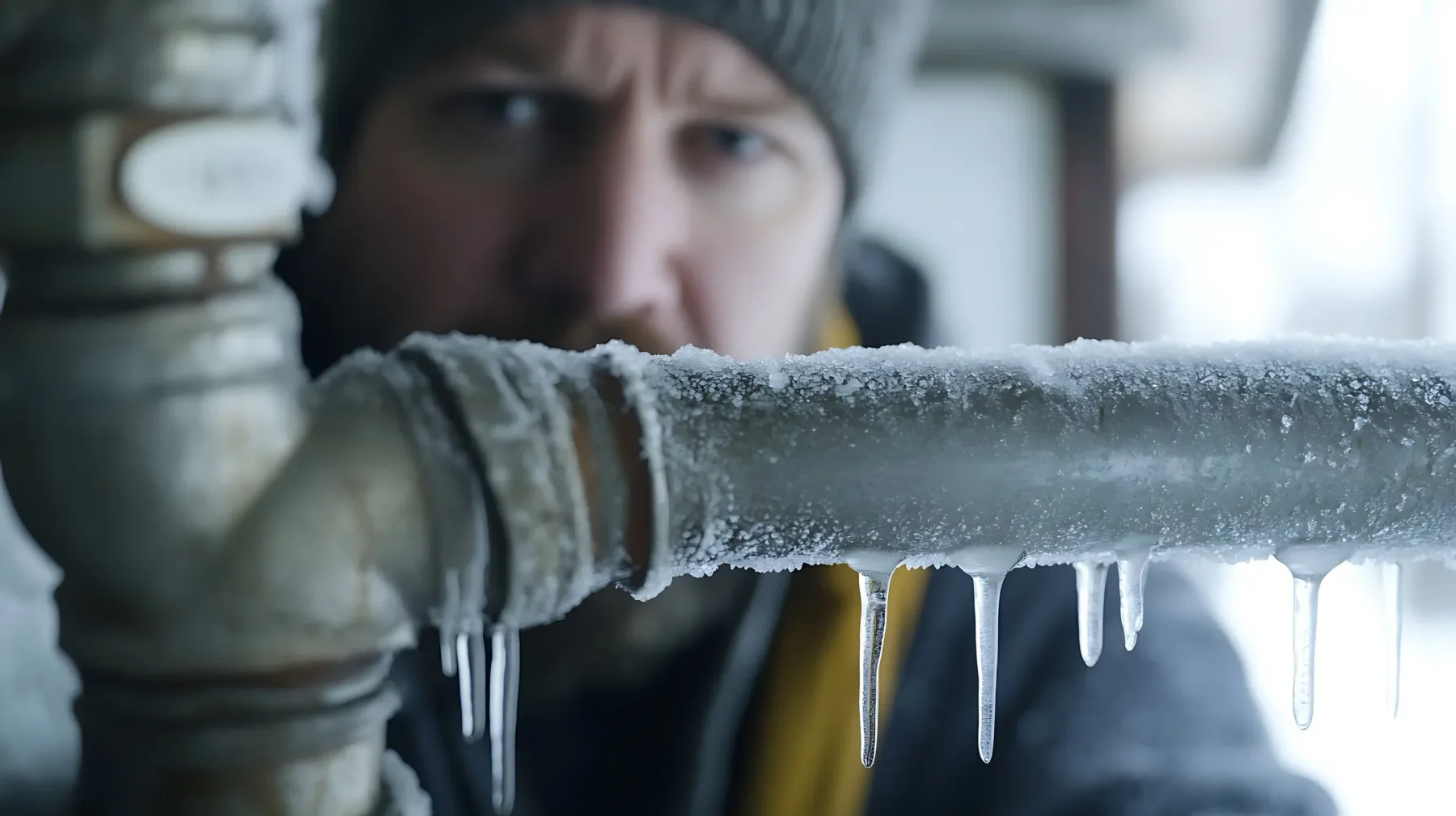
For most homeowners, yes.
Winterization is one of those expenses that feels optional until something goes wrong. But frozen pipes, water damage, heating inefficiency, and emergency repairs cost much more than prevention.
It may also help reduce heat loss, improve comfort, and lower the chance of bigger winter problems.
For vacant properties, the bigger question is not just whether winterization is worth the cost. It is whether keeping the house is worth the cost.
If the property is sitting empty, the owner is often paying for:
- winterization
- spring reopening
- taxes
- insurance
- utilities
- upkeep
- city compliance issues
- vacancy-related risks
That is why some owners decide not to hold onto the property through another Chicago winter.
If you are dealing with an empty house, deferred maintenance, or city-related property headaches, see how our code violation property buying process works.
Final Thoughts
So how much should it cost to winterize a house?
For most homes, the answer is about $200 to $800 professionally, with higher costs for larger or vacant properties. DIY winterization may cost less upfront, but it takes more time and leaves more room for missed issues.
If you plan to keep the house, proper winterization is usually a smart investment. But if the property is vacant and you are only spending money to protect an empty house, it may be time to look at a different option.
Dello Investments buys vacant and distressed houses in Chicago as-is. If you do not want to keep paying for winterization, upkeep, and holding costs, we can make you a straightforward cash offer.
Chicago Vacant House Help
Own a vacant house in Chicago?
If you are paying to winterize an empty property every year, you may not want another season of taxes, insurance, maintenance, and repairs. Dello Investments buys vacant houses in Chicago as-is, with no repairs and no winterizing required.
- No repairs
- No cleanup
- No agents
- No showings
- Close on your timeline
Call (312) 975-5557 or contact us for a no-obligation cash offer.
Questions, Answered
What homeowners ask us most.
Most homeowners pay about $200 to $800 for professional winterization, depending on the size of the house, the systems involved, and whether the home is occupied or vacant.
Vacant house winterization usually costs about $300 to $800 because the process is more involved and often requires a full plumbing drain-down and antifreeze protection.
Usually, yes. DIY winterization often costs about $100 to $300 in materials. But it takes time, may require tools and ladder access, and can miss hidden plumbing or insulation issues.
Most professional winterization services include outdoor faucet protection, exposed pipe checks, basic HVAC prep, weatherstripping review, and inspection of vulnerable areas like basements, attics, or crawl spaces.
Professional winterization often takes 2 to 4 hours. DIY winterization usually takes 6 to 10 hours or more, depending on the size and condition of the home.
Yes. Homeowners commonly hire plumbers, HVAC companies, handymen, or specialized winterization contractors depending on the type of work needed.
It can be, especially if you are keeping the property. But if the house will sit vacant for months, some owners decide selling is cheaper than paying for winterization, utilities, taxes, insurance, and upkeep.
Basic outdoor plumbing winterization may cost around $75 to $150. More complete plumbing winterization for a vacant house can cost more because the entire system may need to be drained and protected.
Get your fair cash offer today.
It takes five minutes to start and costs nothing to hear the number, and when you call, text, or send the form, Karen's team answers seven days a week.