
Bankruptcy Home Buying in Chicago
Selling your house during Chapter 7 or Chapter 13?
Get a confidential cash offer in 24 hours, close in as few as 7-14 days after approval. We coordinate with your trustee and attorney.
Call or text (312) 975-5557 now.
Filing soon, mid-case, or just discharged? We buy homes in bankruptcy as-is and work directly with your bankruptcy attorney so nothing stalls. No repairs, no showings.
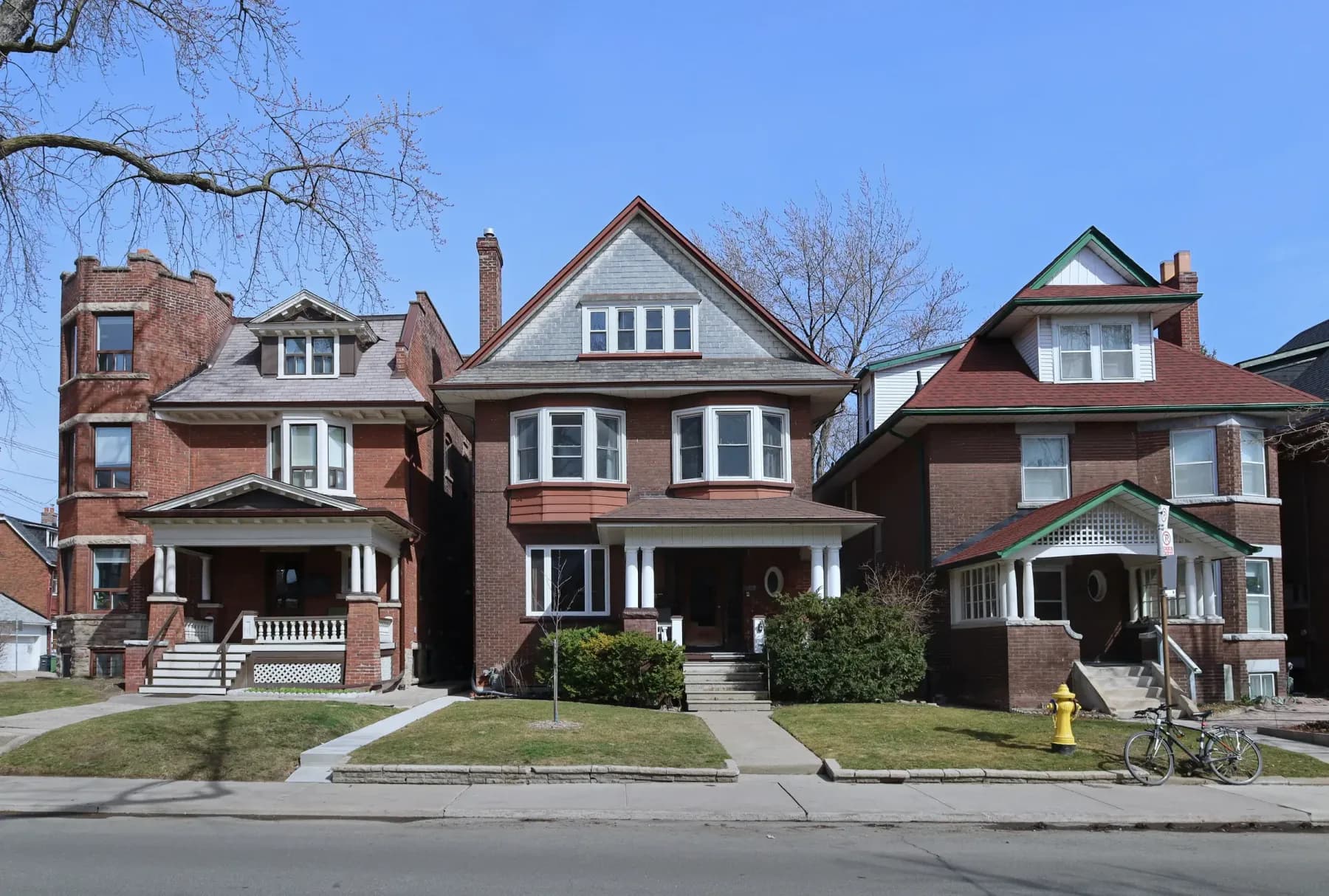
In Chicago, homeowners in Chapter 7 or Chapter 13 bankruptcy can sell their house to a property investment company, with trustee and court coordination handled for you.
This page covers selling during an active bankruptcy, selling before you file to avoid bankruptcy altogether, and selling after discharge, in any Chicago neighborhood.
Request a confidential cash offer online. We respond within 24 hours and work directly with your bankruptcy attorney and trustee.
As a property investment company, we buy bankruptcy homes as-is, so you can close fast, satisfy creditors, and move toward a fresh financial start.
Quick Answer for Chicago Homeowners
Can I Sell My House During Bankruptcy in Chicago?
You can sell during Chapter 7 or Chapter 13 with the right approvals.
A house sale during bankruptcy must be disclosed and coordinated with your attorney, trustee, and the court. A cash buyer can help keep the sale moving while your legal team handles the approval process.
Notify your bankruptcy attorney.
Every property sale during bankruptcy requires disclosure. Your attorney files a motion to sell with the Northern District of Illinois court.
Get trustee approval.
Your Chapter 7 or Chapter 13 trustee must approve the sale and confirm how proceeds pay creditors.
Request a cash offer.
A property investment company can close fast and coordinate directly with your trustee and attorney.
Protect your exempt equity.
The Illinois homestead exemption protects up to $50,000 in equity for an individual filer, or $100,000 for a jointly owned home, from creditor claims.
Close through a title company.
Proceeds get disbursed per court order, and your attorney handles the creditor payoff sequence.
Receive remaining equity.
Any equity above the exemption threshold is distributed according to your bankruptcy plan.
A bankruptcy sale needs coordination, not guesswork.
Talk with your bankruptcy attorney before signing anything. We can work with your attorney, trustee, and title company so the sale follows the proper court process.

What Happens to Your Chicago Home When You File Chapter 7 or Chapter 13 Bankruptcy
If you’re in Austin, Englewood, or South Shore and you’ve just filed or are about to, you’re probably wondering whether the trustee can force a sale or whether you get to keep your home.
A Chapter 7 trustee can sell non-exempt equity. Chapter 13 lets you keep your home by repaying arrears over 3 to 5 years. Illinois’s homestead exemption increase, effective January 1, 2026, now protects up to $50,000 in equity for an individual filer.
All Chicago bankruptcy cases go through the U.S. Bankruptcy Court for the Northern District of Illinois at the Dirksen Federal Building on South Dearborn. Court volume runs high there, and a cash sale generally closes faster than a trustee-managed auction.
Before You File
How Selling Your House Can Help You Avoid Bankruptcy in Chicago
If you are in Pilsen, Humboldt Park, or Rogers Park and facing mounting debt, tax arrears, or missed mortgage payments, it is worth exploring every option before you file.
Sale proceeds can pay creditors.
Selling before you file can eliminate the need for bankruptcy in many cases. Proceeds may pay off creditors, mortgage debt, and other liens.
A sale can stop foreclosure pressure.
If mortgage payments are behind, a completed sale can pay off the loan and help you avoid the added stress of foreclosure and bankruptcy at once.
You may avoid a long-term credit entry.
Bankruptcy can sit on your credit report for 7 to 10 years. Selling first may let you move forward with a cleaner financial record.
Property tax arrears can trigger financial pressure fast.
Cook County property tax arrears are a leading trigger for Chicago bankruptcy filings. Selling quickly can pay off tax liens at closing and stop penalties from piling up before court involvement begins.
Trustee Approval Process
Steps to Sell Your Home During Active Bankruptcy With Trustee Approval in Cook County
If you are in Lawndale, Chatham, or West Pullman with an open bankruptcy case and need to sell quickly, here is how trustee approval usually works.
Your attorney files a motion to sell.
Your bankruptcy attorney discloses the proposed sale and files the proper request with the bankruptcy court.
The court issues a notice period.
The court notice period is typically 21 days. This gives interested parties time to review the proposed sale.
The sale can move forward if no one objects.
If no objection is filed, the sale can proceed under the court-approved terms and payoff instructions.
The cash buyer closes without adding delay.
A buyer familiar with trustee-approved sales helps keep closing on schedule instead of creating extra delays.
Experience with local bankruptcy sales matters.
Northern District of Illinois trustees handle bankruptcy home sales regularly. Working with a Chicago-based cash buyer who has closed trustee-approved sales before can keep the process smoother and more predictable.
Illinois Equity Protection
Illinois Homestead Exemption Rules Every Chicago Homeowner Should Know Before Filing
If you are in Beverly, Hyde Park, or Lakeview with real equity in your home, you may worry that filing bankruptcy means losing your house or losing your sale proceeds to creditors.
Protected equity can stay with you.
Illinois Public Act 104-0014, effective January 1, 2026, raised the homestead exemption to $50,000 per individual filer and $100,000 for a jointly owned home.
Equity under that threshold is fully protected and goes to you, not your creditors.
Individual filer
Up to $50,000 in qualifying home equity may be protected from creditor claims under the updated Illinois exemption.
Jointly owned home
A jointly owned home may have up to $100,000 in protected equity, depending on ownership and case facts.
Neighborhood values matter.
Chicago home values vary sharply by neighborhood, so your exact risk depends on value, liens, mortgage balance, and ownership.
An attorney can calculate your real exposure.
A $280,000 home in Chatham with $35,000 in equity may be fully protected under the new Illinois exemption. A bankruptcy attorney can calculate your exact exposure before you file or sell.
Protecting Net Equity
When a Fast Cash Sale Protects More Equity Than Waiting for Bankruptcy Discharge
If you are in Portage Park, Albany Park, or Roseland in a Chapter 13 repayment plan, ongoing mortgage payments, property taxes, and plan fees may be eating into your equity every month.
A faster sale can lock in current equity.
Selling during the plan, with trustee approval, can protect your current equity before market shifts or deferred maintenance reduce it.
A cash sale can close in 7 to 14 days after approval, compared with 3 to 5 years of Chapter 13 repayment.
Carrying costs reduce your net.
Mortgage payments, plan fees, taxes, insurance, and repairs can reduce what you keep if you hold the property too long.
Cook County tax bills keep coming.
Cook County property tax bills arrive twice a year. Each billing cycle can reduce your net equity at sale.
Trustee approval keeps it compliant.
Selling during active bankruptcy should be handled through your attorney, trustee, and title company so the sale follows the court order.
Compare the sale now against the cost of waiting.
Homeowners in active bankruptcy who continue holding property face accumulating tax obligations and carrying costs that reduce net equity with every month and every billing cycle.
A Note on This Guidance
This page is general information about selling property during bankruptcy in Illinois, not legal or financial advice. Bankruptcy rules and exemption amounts can change, and every case is different. Before you sign anything, talk with a licensed Illinois bankruptcy attorney about your specific situation.
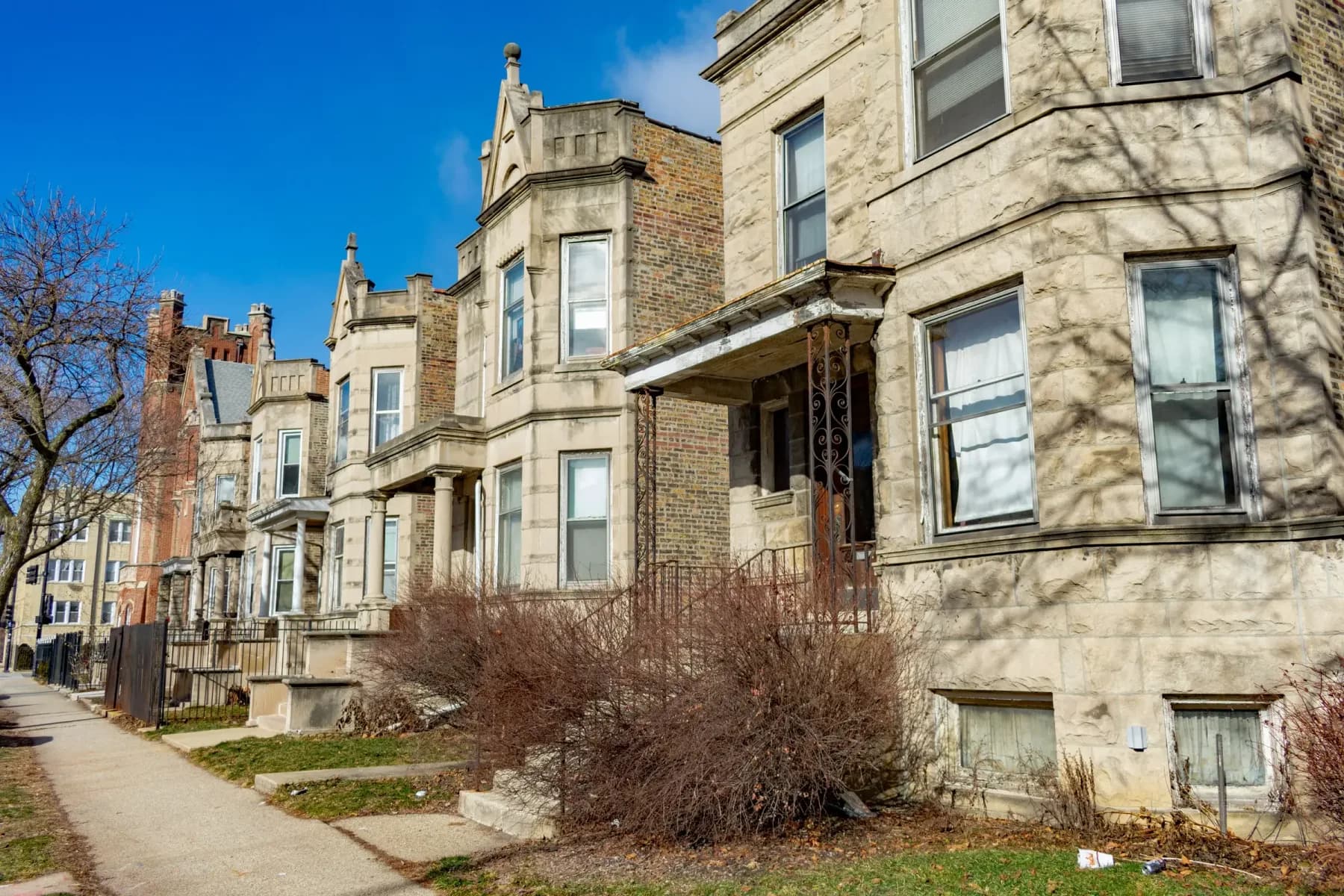
Ready to Get a Confidential Cash Offer?
You don’t have to navigate a bankruptcy home sale alone. Tell us about your property and we’ll work directly with your attorney and trustee toward a fast, court-ready closing.
Call or text (312) 975-5557, or send us a message to get started.
Questions, Answered
What homeowners ask us most.
Yes, with court and trustee approval through the Northern District of Illinois. Proceeds pay creditors first, and any protected equity goes to you.
Often, yes. Proceeds can pay off enough debt to avoid filing entirely. Talk with a bankruptcy attorney before signing any sale agreement.
Illinois protects up to $50,000 of home equity per individual filer, or $100,000 for a jointly owned home, from creditor claims. Equity below that threshold is yours at closing.
A cash sale can close in 7–14 days after trustee approval. Court notice periods typically add 21 days, so the full process runs 4 to 6 weeks from offer to closing.
Yes. Proceeds may satisfy the plan early or change how creditors get paid. Your bankruptcy attorney must amend the plan and get court approval before closing.
No. The automatic stay stops creditor collection, not voluntary sales. You can sell with court and trustee approval while the stay is in effect.
Get your fair cash offer today.
It takes five minutes to start and costs nothing to hear the number, and when you call, text, or send the form, Karen's team answers seven days a week.