
Best Practices for Utility Management in Vacant Properties
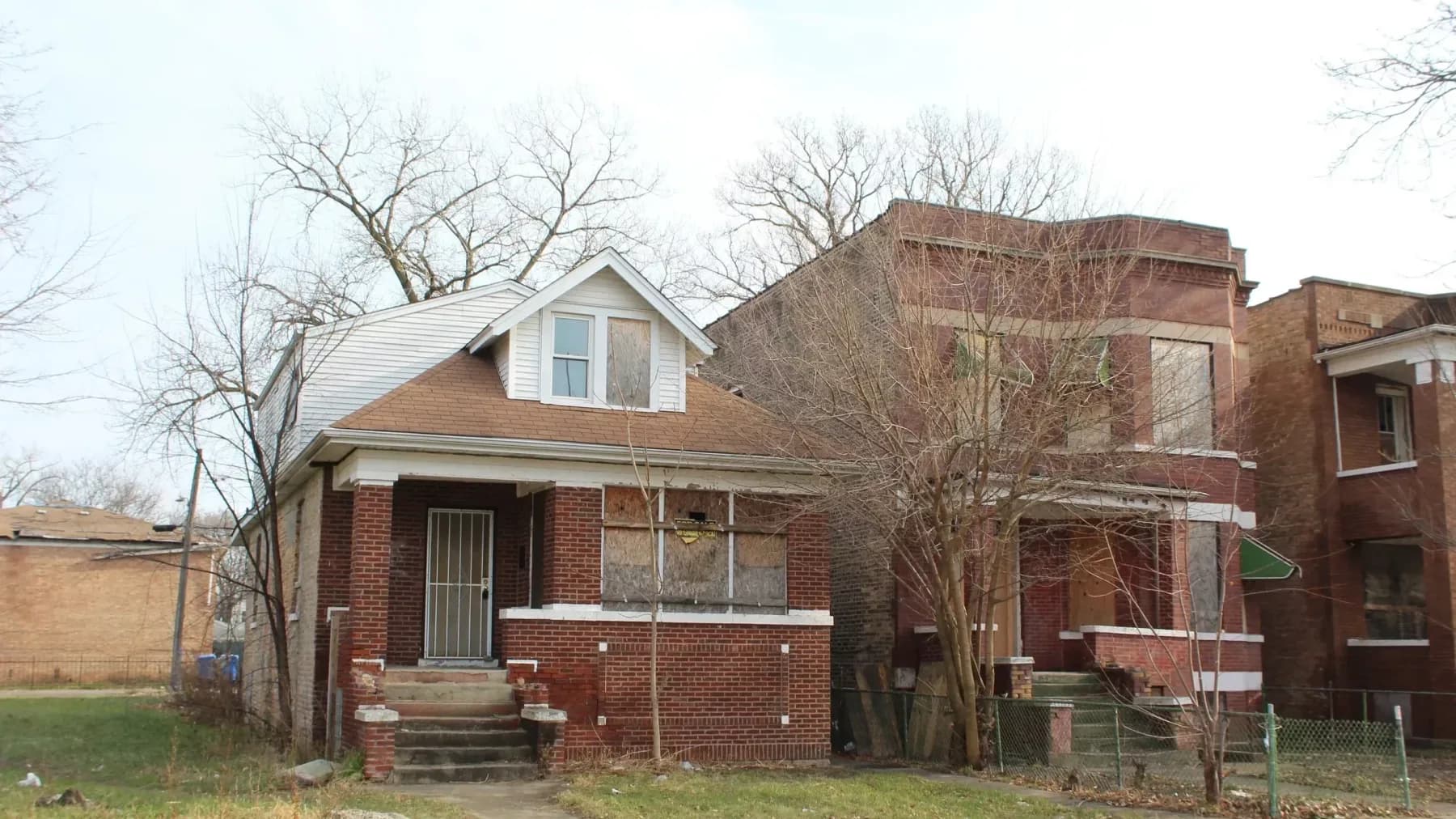
Managing utilities in a vacant house is one of the easiest things to overlook and one of the most expensive to get wrong.
If a home is sitting empty, small problems can turn into major ones fast. A hidden leak can cause water damage. A cold snap can freeze pipes. A disconnected sump pump can lead to flooding. And if the property is in Chicago, you may also need to stay on top of vacant-building rules and maintenance responsibilities. Chicago requires many vacant buildings to be registered, secured, insured, and maintained, with renewals every six months.
Whether you are a homeowner, landlord, heir, or investor, the goal is the same: keep the property protected without paying for more utility use than necessary.
If you are holding an empty house in Chicago and the bills, maintenance, and risk are adding up, Dello Investments buys vacant houses as-is.
Why utility management matters in a vacant house
Vacant homes tend to get worse quietly.
When no one is living there, problems may go unnoticed for days or weeks. Utility management helps reduce the biggest risks:
- frozen pipes and water damage
- mold and humidity problems
- sump pump failure
- break-ins and vandalism
- unnecessary electric and gas bills
- code or maintenance issues
Insurance also matters here. Regulators note that policies often cover resulting water damage from burst frozen pipes only if the homeowner took reasonable steps to maintain heat or shut off and drain the system when appropriate.
1. Do not shut everything off without a plan
A common mistake is turning off every utility and assuming that is the safest option.
Sometimes that works. Often it does not.
A better approach is to decide which systems need to stay on, which can be reduced, and whether the property should be winterized instead.
Water
If the house will be vacant for a while, shutting off the main water supply is often smart. In colder months, the plumbing should also be drained or professionally winterized if there is any freeze risk.
Heat
In cold climates, keeping some heat on is often safer than turning it off completely. Many owners use a minimum setting around 55°F to help reduce the risk of frozen pipes. Chicago’s own vacant-building rules also authorize water shutoff in some vacant-building situations, which is another reason to understand the property’s status early.
Electricity
Do not assume power can always be shut off completely. Some vacant homes still need electricity for:
- HVAC controls
- sump pumps
- security systems
- exterior lighting
- smart leak detectors
- smart thermostats
2. Set the thermostat for protection, not comfort
You are not trying to make the home comfortable. You are trying to keep it safe.
The U.S. Department of Energy says lowering the thermostat while away saves energy, and keeping the indoor-outdoor temperature gap smaller also reduces cooling costs. DOE recommends winter setbacks from normal occupied temperatures, not shutting systems off entirely.
For vacant homes, that usually means:
- in winter: keep the heat high enough to reduce freeze risk
- in summer: keep cooling or humidity control high enough to avoid moisture buildup
In a Chicago winter, that often means using a low but protective setting rather than shutting the furnace off.
3. Inspect the property regularly
Even good utility settings are not enough if nobody checks the house.
Regular walkthroughs help you catch:
- plumbing leaks
- sump pump problems
- tripped breakers
- HVAC issues
- signs of forced entry
- excess humidity or mold
- pest problems
If you do not live nearby, hire a local property manager, contractor, or trusted contact to check the house on a schedule.
4. Use smart tech where it actually helps
Smart devices are one of the easiest upgrades for a vacant property.
Useful tools include:
- smart thermostats
- leak detectors
- freeze alerts
- smart cameras
- motion lighting
- timer lights
These systems can help you respond faster when something changes, instead of finding damage weeks later.
5. Work with utility providers early
Do not just stop paying bills and hope for the best.
Call the utility companies and tell them the property is vacant. Ask:
- whether there is a lower-use or seasonal setup
- how disconnection works
- whether account alerts are available
- what happens if bills go unpaid
- whether a vacant home should stay on a minimum service plan
This reduces surprises and helps you avoid preventable shutoffs.
6. Know Chicago’s vacant-property rules
If the property is in Chicago, utility decisions should line up with city requirements.
Chicago requires owners of many vacant buildings to register them within 30 days of vacancy, renew the registration every six months, and keep them secured, insured, and maintained. Failure to comply can lead to penalties.
That means utility management is not just about saving money. It is also part of keeping the property compliant and reducing bigger problems later.
7. Focus on cost control without creating new risks
A vacant house should not run like an occupied house. But cutting costs the wrong way can create bigger repair bills.
Good cost-saving steps include:
- using LED bulbs
- unplugging unnecessary appliances
- putting the water heater in vacation mode if appropriate
- reducing thermostat settings safely
- shutting off water when the property will sit empty
- winterizing before a freeze
- fixing air leaks and insulation gaps
The Department of Energy also notes that thermostat setbacks and better temperature control can reduce heating and cooling costs.
Seasonal utility tips for vacant homes
Winter
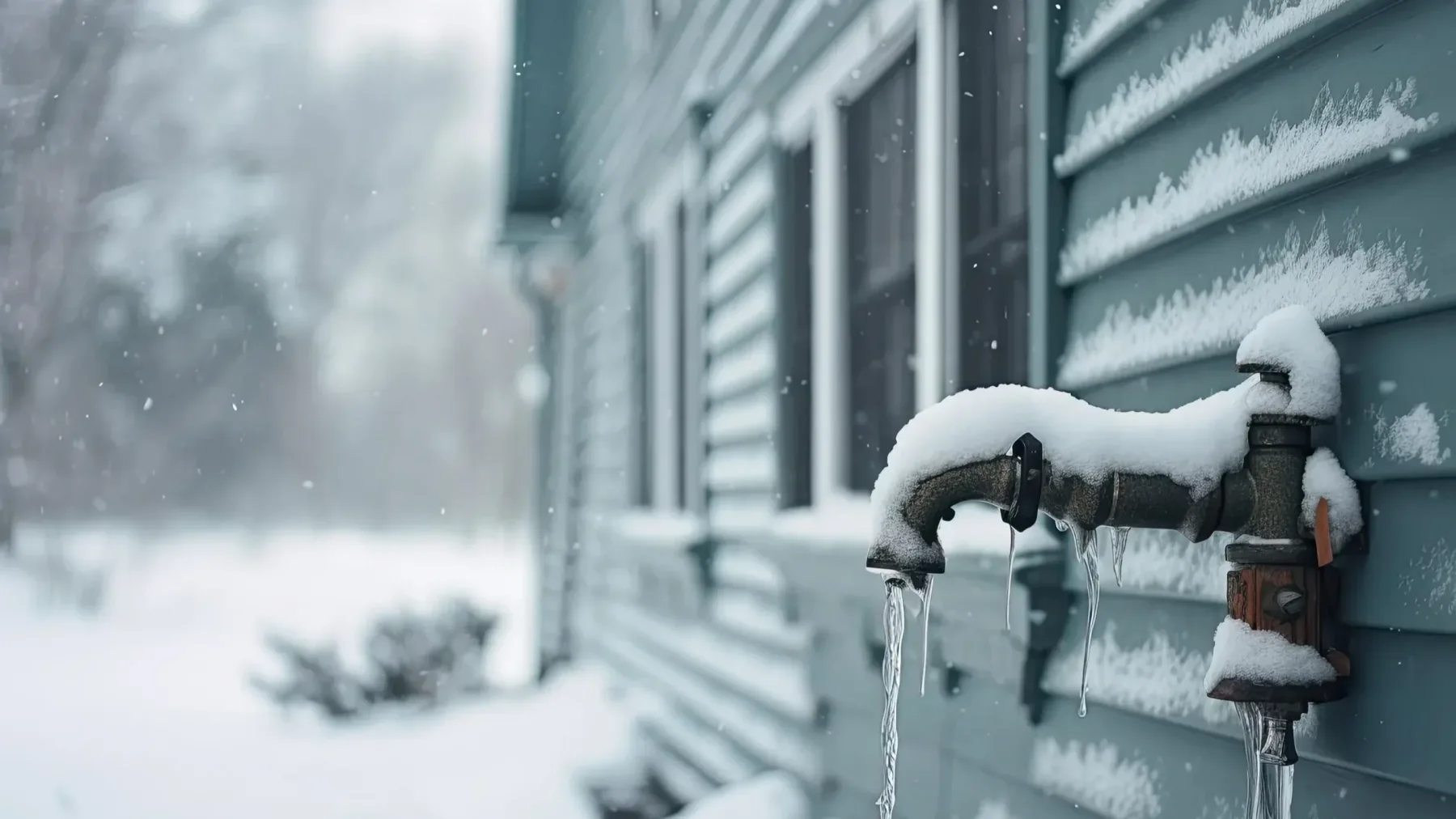
Chicago winters are where the biggest utility mistakes show up.
Priority items:
- keep protective heat on or winterize fully
- shut off and drain exterior water lines
- insulate vulnerable pipes
- test the furnace before severe cold
- make sure the sump pump has power if needed
Insurance and state regulators both emphasize reasonable precautions against freezing if you want the best chance of avoiding uncovered losses.
Summer
Warm weather brings different risks.
Focus on:
- managing humidity
- checking for roof or water intrusion
- running dehumidification if needed
- keeping some lighting or security active
- watching for pests and storm-related outages
Keep a simple utility and maintenance log
A vacant property gets easier to manage when everything is written down.
Track:
- utility account numbers
- shutoff dates
- thermostat settings
- inspection dates
- repairs completed
- vendor contacts
- unusual bills or spikes
That helps if you need to troubleshoot a problem, file a claim, or hand the property off to a buyer later.
When it makes sense to hire help
If the vacancy will last more than a short time, hiring help may be worth it.
A property manager or local service company can:
- inspect the house regularly
- coordinate utility issues
- meet contractors
- document conditions
- help keep the property compliant
That can be especially useful if the house is inherited, tied up in probate, or sitting vacant while you decide what to do next.
Final thoughts
Good utility management in a vacant property is really about risk control.
You are trying to avoid the expensive stuff: burst pipes, mold, break-ins, code problems, and utility waste. The best plan usually keeps essential systems running at a safe minimum, includes regular check-ins, and adjusts for the season.
And if the property has become more work than it is worth, selling may be easier than carrying the cost and stress of another vacant season.
Dello Investments buys vacant houses in Chicago as-is, so you do not have to keep paying to maintain an empty property.
Questions, Answered
What homeowners ask us most.
Usually, some should. Many vacant homes still need limited heat, electricity for sump pumps or security, and a clear plan for water shutoff or winterization.
Many owners use about 55°F to help reduce the risk of frozen pipes, though the right setting depends on the house, plumbing layout, and local climate.
Often yes, especially for longer vacancies. In cold weather, shutting off water and draining or winterizing the plumbing can help reduce freeze damage risk.
Not always. Some homes still need electricity for HVAC controls, sump pumps, alarm systems, leak detectors, or lighting.
Regularly. A scheduled walkthrough helps catch leaks, outages, break-ins, HVAC problems, and moisture issues before they become major repairs.
Yes. Chicago requires many vacant buildings to be registered, secured, insured, and maintained, with renewals every six months.
It depends on the policy and the facts. Regulators note that frozen-pipe damage is often tied to whether the owner took reasonable precautions, such as maintaining heat or shutting off and draining water systems
It often makes sense when the property will sit empty for an extended period, you live far away, or you do not want to handle inspections, vendors, and utility issues yourself.
Get your fair cash offer today.
It takes five minutes to start and costs nothing to hear the number, and when you call, text, or send the form, Karen's team answers seven days a week.