
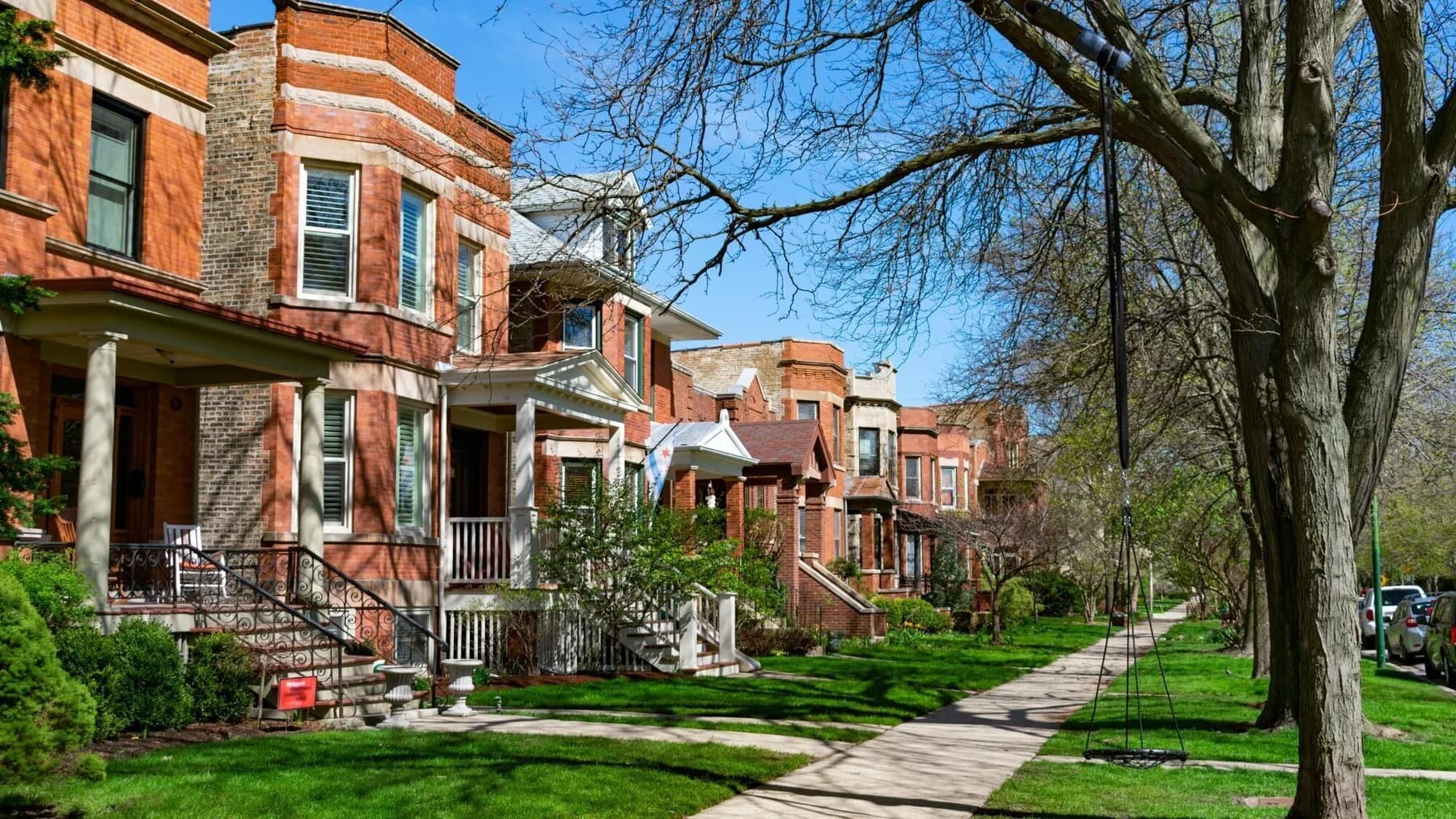
Selling vs. Keeping an Inherited Paid-Off House
Inheriting a paid-off house can feel like a blessing and a burden at the same time.
On paper, it sounds simple. There is no mortgage. The house has value. You now own a property free and clear. But in real life, the decision is rarely that easy. A paid-off inherited house can still come with taxes, insurance, repairs, family disagreements, cleanout, and ongoing carrying costs.
That is why one of the biggest questions heirs face is this: should you keep the house or sell it?
The right answer depends on your finances, your goals, the condition of the property, and how much time and responsibility you want to take on.
If you inherited a house in Chicago and do not want to keep it, Dello Investments can buy inherited houses as-is, with no repairs or cleanup required.
Start with the real condition of the house
Before you decide whether to keep or sell, get honest about what you inherited.
A paid-off house may still need:
- repairs
- updates
- cleanout
- lawn and exterior maintenance
- property tax payments
- insurance
- utility management
- probate or title work
- work to make it rentable or marketable
Some inherited homes are move-in ready. Others have been deferred for years and need more money than the family expected. That difference matters a lot.
A house that is paid off but needs a roof, plumbing work, electrical updates, foundation repairs, or a full cleanout is not really a “free” house. It is an asset with carrying costs and responsibilities. –> Check Chicago and Cook County property tax records
When keeping the inherited house makes sense
There are situations where keeping the house is the right move.
You may want to keep it if:
- you plan to live in it
- the house is in strong condition
- the taxes and upkeep are manageable
- you want to rent it out
- the property has long-term upside
- the home has strong sentimental value
- you can afford the ongoing costs without stress
Keeping the house can work well when it fits your life and your finances.
For example, if the house is in decent shape, in a solid neighborhood, and you want a paid-off place to live, that may be a strong long-term move. If you want to keep it as a rental and are prepared for landlord responsibilities, that can also make sense.
But the house should help your financial life, not quietly drain it.
The real cost of keeping a paid-off inherited house
This is where a lot of heirs get surprised.
Even without a mortgage, ownership still costs money. Common expenses include:
- property taxes
- homeowners insurance
- utilities
- repairs and maintenance
- vacancy costs
- snow removal or lawn care
- code compliance
- pest control
- cleanup and junk removal
- probate or legal expenses in some cases
If the house sits vacant, those costs can add up fast. And if you are not local, the stress usually goes up even more.
A paid-off house is only a financial win if you can afford to hold it without it becoming a burden. –> how probate works for real estate
What about renting it out?
Renting can sound like the best of both worlds. You keep the asset and collect income.
Sometimes that works. But it only works if the property is ready and you are ready.
Ask yourself:
- Is the house in rentable condition?
- Do I have money for repairs before tenants move in?
- Do I want to manage tenants, maintenance, and turnover?
- Do I live close enough to handle issues?
- Do I want to be a landlord at all?
A rental can create income, but it also creates responsibility. If the house needs major work or you have no interest in managing a property, renting may not be the easy middle-ground it first appears to be.
When selling the inherited house makes more sense
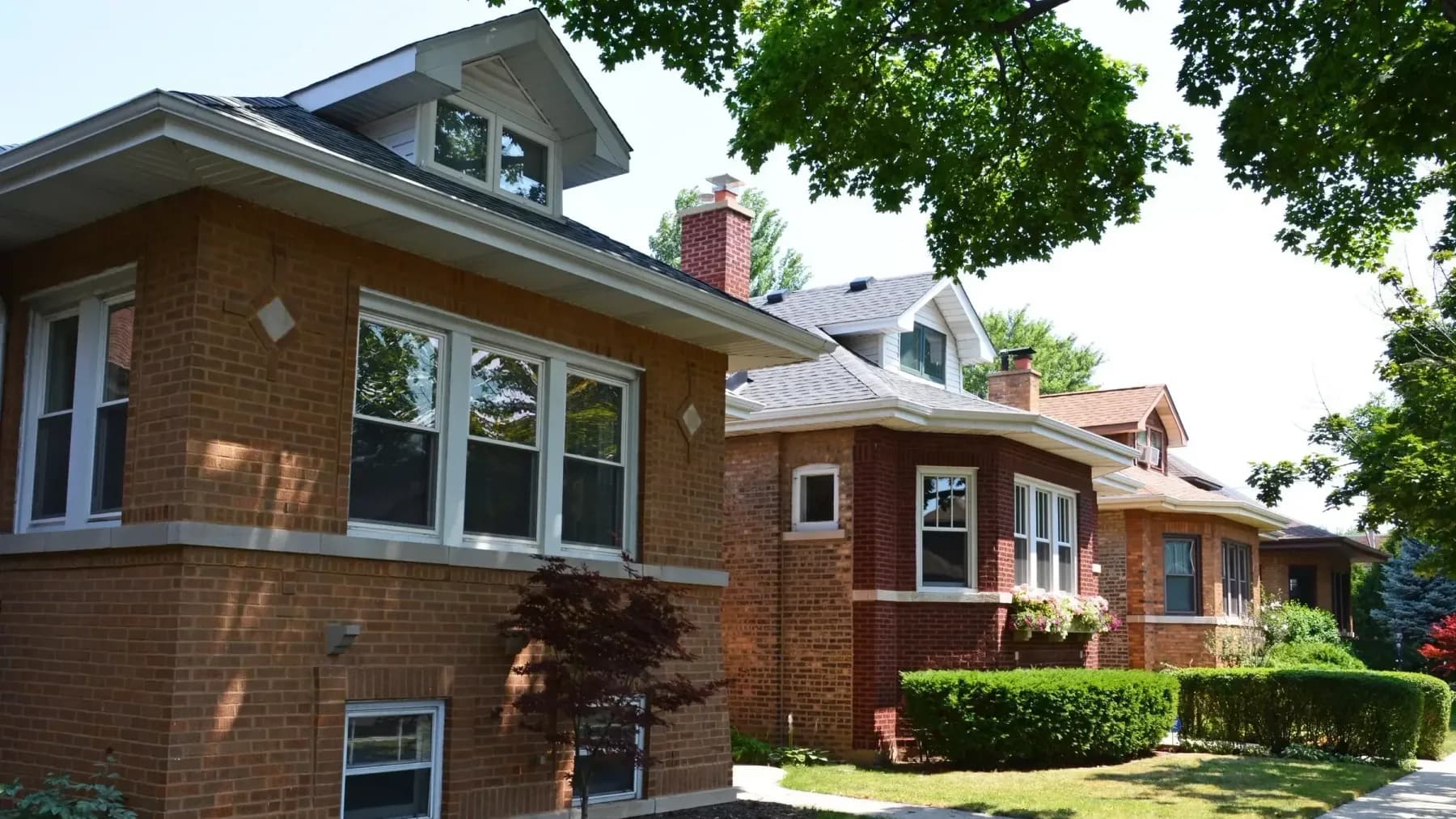
Selling often makes sense when the house no longer fits your life.
You may want to sell if:
- the house needs too much work
- you do not want landlord responsibilities
- you inherited it with other family members and want a clean resolution
- the holding costs are adding up
- you live out of town
- you want to use the money elsewhere
- the property is vacant or becoming a problem
- you want to simplify the estate and move on
Selling can turn a complicated property into something more useful: cash, closure, and fewer ongoing responsibilities.
For many heirs, that is the real value.
The emotional side matters too
Inherited houses are not just financial assets. They are often tied to grief, memories, and family history.
That can make the decision harder.
Sometimes a family wants to keep a house because it feels wrong to let it go. Other times, one heir wants to keep it and another wants to sell. In some cases, the emotional weight of the property makes it harder to handle repairs, cleanout, or next steps.
It is okay to acknowledge that part of the decision.
But it also helps to separate memory from maintenance. Keeping a house is not the only way to honor the person who owned it.
If there are multiple heirs, things get more complicated
Joint inheritance changes everything.
When more than one person inherits a house, the group usually has to decide:
- whether to sell
- whether one heir will keep it
- whether one heir will buy out the others
- how costs will be handled while the house is in limbo
- who is responsible for upkeep, taxes, and decisions
This is where inherited houses often get stuck.
The longer the house sits without a clear plan, the more likely it is that costs, conflict, and frustration will grow. If multiple heirs are involved, having direct conversations early can save a lot of stress later.
Tax issues still matter, even if the house is paid off
A paid-off house does not mean tax-free decisions.
Heirs still need to think about:
- property taxes
- sale-related tax questions
- timing of the sale
- estate-related issues
- rental income taxes, if the property is kept
This is one of the biggest reasons families should slow down before making a final decision. Selling quickly may be smart in some cases. In other cases, holding briefly or structuring the next step differently may matter.
The right move depends on your numbers, not just the fact that the house is paid off.
A simple way to decide: ask these 7 questions
If you are stuck between selling and keeping, ask:
- 1Is the house in good enough condition to keep without major stress?
- 2Can I afford taxes, insurance, and repairs comfortably?
- 3Do I actually want to be responsible for this property?
- 4If I rent it, am I ready to be a landlord?
- 5If I keep it, what is the long-term plan?
- 6If I sell it, what would that money allow me to do?
- 7Am I holding it because it makes sense, or just because letting go feels hard?
Those questions usually make the answer much clearer.
Selling as-is can be the easiest path
If the house needs work, is full of belongings, or has become too much to manage, selling as-is is often the simplest option.
That can help you avoid:
- repairs
- updates
- cleanup
- staging
- showings
- agent commissions in some direct-sale situations
- long delays while the property sits vacant
For many inherited properties, especially older Chicago homes, the easiest solution is not fixing everything first. It is selling the house in its current condition and moving on.
Final thoughts
A paid-off inherited house can be a valuable asset, but it is not automatically the right property to keep.
The best decision usually comes down to this: does keeping the house improve your life, or complicate it?
If the house is in good shape, affordable to hold, and fits your long-term plans, keeping it may make sense. If it brings stress, cost, conflict, or responsibilities you do not want, selling may be the better move.
If you inherited a paid-off house in Chicago and want a simple exit, Dello Investments buys inherited houses as-is, with no cleanup, no repairs, and no drawn-out process.
Questions, Answered
What homeowners ask us most.
In most cases, you receive a <a href="https://www.irs.gov/taxtopics/tc701" target="_blank" rel="noopener noreferrer">“step-up in basis.”</a> This means the home’s value for tax purposes is reset to its fair market value on the date the previous owner passed away. If you sell it immediately, you may owe little to no capital gains tax.
Selling is usually better if the home needs significant repairs or if you live out of state. Renting is a better option if the home is move-in ready, located in a high-demand Chicago neighborhood, and you are prepared for the costs of maintenance and property management.
The sibling who wants to keep the house typically must “buy out” the others by paying them their share of the home’s current market value. If an agreement cannot be reached, a “partition action” may be filed in court to force a sale.
The estate of the deceased person is generally responsible for ongoing costs like property taxes and utilities. However, if the estate lacks cash, the heirs may need to cover these costs to prevent foreclosure or tax liens, often getting reimbursed once the house is sold.
Yes. You can sell to an “as-is” cash buyer. <a href="/sell-my-house-fast-chicago/">Professional investors like Dello Investments</a> allow heirs to take the items they want and leave the rest behind, handling the junk removal and deep cleaning themselves after the sale.
Get your fair cash offer today.
It takes five minutes to start and costs nothing to hear the number, and when you call, text, or send the form, Karen's team answers seven days a week.