
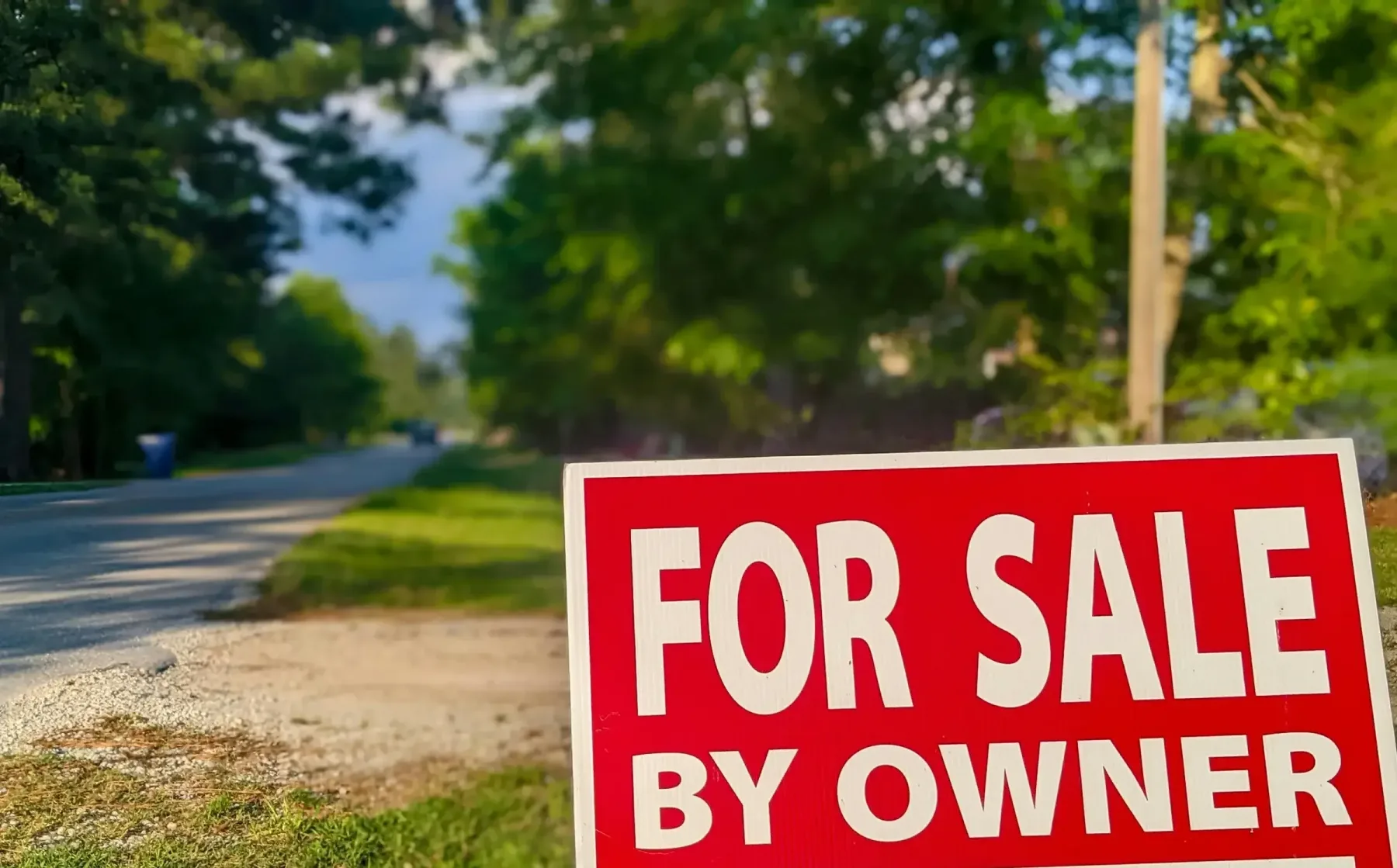
Understanding Sell By Owner Contracts: FSBO Agreements, Owner Financing & Legal Tips
Selling your house without a real estate agent can save thousands of dollars in commission fees—but it also means you are completely responsible for handling contracts, mandatory disclosures, negotiations, and legal paperwork yourself.
That’s why understanding a proper sell-by-owner contract is so important.
A strong For Sale By Owner (FSBO) agreement protects both the buyer and the seller by clearly outlining the specific terms of the transaction. Whether you’re selling a single-family house, a rental property, a vacant lot, or an inherited estate, the right contract prevents disputes and keeps the closing process on track.
In this guide, we’ll explain:
- What a sell-by-owner contract is
- Core components that must be included in an FSBO agreement
- How owner financing contracts work
- Legal disclosures Illinois sellers must understand
- Common pitfalls to avoid
- Tips for creating a legally sound real estate contract
Whether you’re selling traditionally on the open market or considering a direct sale, this guide will help you navigate the essential paperwork involved.
If managing a FSBO sale and drafting complex contracts feels overwhelming, Dello Investments buys houses in Chicago directly. We handle the paperwork, buy completely as-is, and require zero cleanup or real estate agent commissions.
What Is a Sell By Owner (FSBO) Contract?
A sell-by-owner contract—also formally referred to as an FSBO purchase agreement—is a legally binding contract executed directly between a homeowner and a buyer.
The agreement explicitly outlines:
- Final purchase price
- Earnest money deposit terms
- Closing and possession timelines
- Property disclosure acknowledgments
- Buyer and seller contingencies
- Default remedies for both parties
Without a proper, written real estate contract, misunderstandings and complex legal disputes become much more likely. Under the law, verbal agreements for real estate are not enforceable.
FSBO contracts are commonly utilized when:
- Selling a home without a real estate agent
- Transferring property to family members or close friends
- Liquidating real estate investment portfolios
- Setting up owner financing terms
- Selling an inherited property through an estate
- Transacting vacant land
Why FSBO Contracts Matter
A clear contract eliminates assumptions. It reduces legal exposure, establishes firm deadlines for financing or inspections, and provides a clear mechanism to resolve disputes if a buyer fails to perform.
Key Parts of an FSBO Real Estate Contract
Every residential real estate contract needs several fundamental components to be recognized as valid and enforceable by a title company or a court of law.
1. Detailed Property Information
The contract must clearly identify the exact real estate being transferred. You must include the full physical street address, the Cook County permanent index number (PIN) or parcel number, and the complete legal description found on the property’s deed. Additionally, specify exactly which appliances, window treatments, and fixtures are included or excluded from the sale.
2. Purchase Price and Financial Terms
State the exact purchase price clearly in written words and numerical figures. Outline the down payment amount, the type of financing the buyer is pursuing (conventional, FHA, VA, or cash), and explicit deadlines for the buyer to secure their formal loan commitment.
3. Earnest Money Rules
Earnest money demonstrates that the buyer is acting in good faith. The contract must state the exact deposit amount, deadlines for delivery, and precisely who will hold the funds in escrow.
4. Buyer and Seller Contingencies
Contingencies allow either party to walk away from the deal legally without penalty under specific conditions. Standard contingencies to include are:
- Home Inspection: Allowing the buyer to cancel or renegotiate if major structural or mechanical defects are uncovered.
- Financing/Appraisal: Protecting the buyer if their lender denies the mortgage or if the property appraises below the purchase price.
- Attorney Review: A standard clause giving legal counsel time to review and modify contract language.
5. Closing and Possession Dates
Establish a firm closing date and state when physical possession of the property transfers to the buyer. Be sure to clarify responsibilities for utility billing and property maintenance leading up to the exact hour of closing.
6. Required Legal Signatures
The agreement is entirely meaningless until all legal owners of the property—along with all purchasers listed on the title—affix their signatures. If the home is held in a trust or tied up in an estate, the authorized trustee or executor must sign.
What Is an Owner Financing Contract?
Owner financing (sometimes called a contract for deed or installment land contract) occurs when the seller steps into the shoes of the bank. Instead of the buyer obtaining a traditional mortgage from a financial institution, they make ongoing principal and interest payments directly to the property owner over a pre-determined schedule.
Owner financing can be a powerful tool when a buyer cannot qualify for standard bank financing, when a property is structurally difficult to finance conventionally, or when a seller desires stable, passive monthly income.
Common Terms in Owner Financing Agreements
- Interest Rate: The contract must state the exact fixed or adjustable interest rate charged to the borrower.
- Payment Schedule: Detail the monthly payment amount, exact due dates, grace periods, and late fee structures.
- Balloon Payments: Many owner financing deals feature short repayment timelines (e.g., 3 to 5 years) with a “balloon payment” at the end, requiring the buyer to refinance with a traditional bank to pay off the remaining balance.
- Default and Asset Recovery: The agreement must layout what happens if a payment is missed. Because owner-financing arrangements involve strict state and federal lending guidelines, consulting professional legal counsel to draft these terms is essential.
How to Successfully Create an FSBO Contract

Navigating a self-directed home sale requires structured preparation and attention to regional regulations.
Step 1: Research Local Real Estate Laws
Real estate laws are highly localized. Certain municipalities have distinct rules regarding contract structure, structural inspection mandates, or local transfer tax stamps that must be purchased before closing.
Step 2: Utilize a State-Specific Template
Avoid generic online forms that fail to account for regional legal nuances.
External Link Placement:
To ensure your paperwork accounts for basic regional provisions, you can review standard templates and customizable formats through LawDepot Real Estate Contract Forms.
Step 3: Customize the Contract Terms
Input your exact property details, agreed purchase prices, earnest money targets, contingencies, and closing timelines. Never leave blank spaces or rely on side verbal promises.
Step 4: Include Mandatory State and Federal Disclosures
Failing to provide required disclosure forms to a buyer before a contract is executed can create massive financial liability or give the buyer an automatic right to void the contract entirely.
If you are selling a home independently in Illinois, you are legally required to fulfill strict state-level consumer transparency provisions outlined under the Illinois Residential Real Property Disclosure Act.
Furthermore, federal law mandates that if the residential property was constructed prior to 1978, the seller must provide an official lead warning statement.
For older properties, you must download, complete, and attach the compliant EPA Lead-Based Paint Disclosure Form directly to your purchase agreement.
Step 5: Retain a Real Estate Attorney for Review
Even the most experienced FSBO sellers heavily rely on an attorney to review contracts before they become final. In Cook County, attorney involvement is standard practice. A real estate lawyer will ensure your title transfers cleanly, draft the formal deed, coordinate with the title insurance company, and safeguard your financial interests at the closing table.
Special Considerations for Different Property Types
- Selling Vacant Land: Land contracts require custom language addressing zoning restrictions, boundary surveys, utility access rights, easements, and environmental conditions.
- Selling Rental Properties: If tenants occupy the unit, your contract must explicitly detail how existing security deposits will be legally transferred, how current rent will be prorated at closing, and how the active lease agreements will be reassigned.
- Selling Inherited Property: Estates add layers of administrative complexity. The contract may need clauses factoring in probate court validation, specific title clearances, and multi-heir approval dynamics.
- Selling Distressed or As-Is Property: If a home requires significant updates or repairs, the purchase contract must state explicitly that the buyer is accepting the property strictly in its current “as-is” condition with all visible and latent defects. Read more details on this strategy here -> Sell Your House As-Is in Chicago.
Common FSBO Paperwork Mistakes to Avoid
- 1Vague Contract Language: Writing subjective statements like “buyer will fix the roof soon” instead of setting firm, concrete dates creates massive legal gray areas.
- 2Forgetting Disclosures: Skipping mandatory state defect disclosures leaves you highly vulnerable to future lawsuits from the buyer long after the closing is complete.
- 3Ignoring Critical Deadlines: Allowing a buyer to miss their financing contingency deadline without issuing a formal extension can tie your property up in legal limbo indefinitely.
- 4Skipping Professional Review: Attempting to close a transaction without a licensed title company or real estate attorney frequently leads to major title defects that destroy future property values.
While selling a property yourself can provide flexibility and eliminate traditional listing commissions, it places the entire administrative, marketing, and legal compliance burden directly onto your shoulders. If managing the contract logistics, open houses, and title requirements becomes overwhelming, exploring a direct sale to an institutional cash buyer can provide a simple, clean alternative.
See how our direct buying process eliminates these paperwork headaches entirely by reading more about how we buy houses in Chicago.
Questions, Answered
What homeowners ask us most.
In Illinois, the seller’s real estate attorney typically draws up the For Sale By Owner (FSBO) contract. While you can find standard contract templates online, having a local attorney draft the agreement ensures it complies with Chicago and Cook County real estate laws.
Yes, hiring a real estate attorney is highly recommended and standard practice when selling a house by owner in Illinois. An attorney will review your purchase contract, clear any title issues, and protect your legal and financial interests at the closing table.
An Illinois real estate contract must include the property address, purchase price, closing date, and signatures of both the buyer and seller. It must also clearly state the earnest money amounts, inspection contingencies, and any required Illinois seller disclosure forms.
Both the buyer and seller pay closing costs in a Chicago FSBO transaction, but the exact split is negotiable. The seller typically pays for title clearance, city and county transfer taxes, and their own attorney fees, while the buyer covers their loan costs and recording fees.
Earnest money in a FSBO sale should never be handed directly to the seller. Instead, the funds must be deposited into a secure escrow account managed by a neutral third party, such as a title company or a real estate attorney, until closing day.
Yes, a handwritten real estate contract can be legally binding in Illinois if it contains all the required elements and signatures. However, handwriting a contract is highly discouraged because missing specific legal clauses or mandatory state disclosures can lead to costly lawsuits.
Get your fair cash offer today.
It takes five minutes to start and costs nothing to hear the number, and when you call, text, or send the form, Karen's team answers seven days a week.