
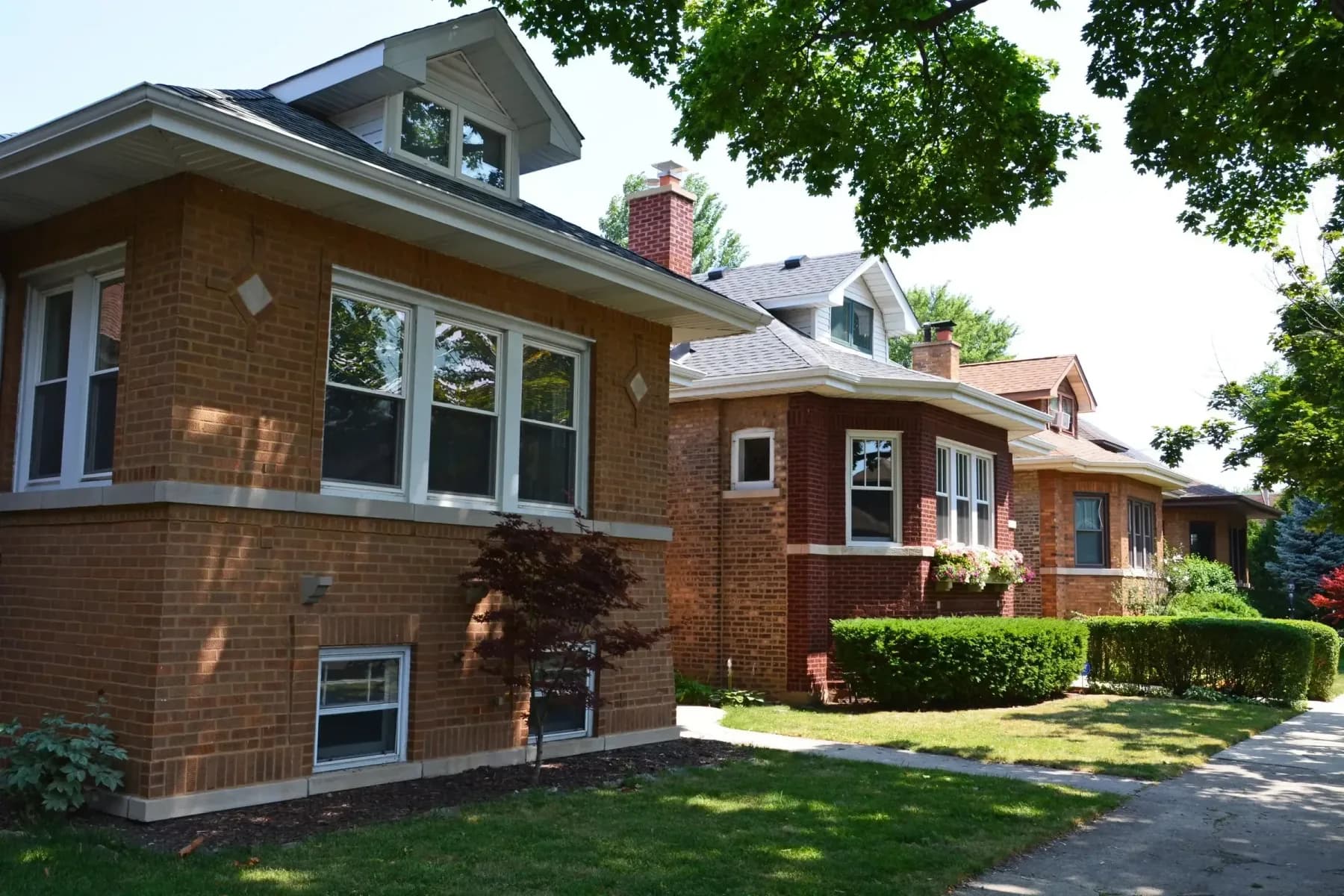
When to Stop Cutting Grass in Chicago
If you live in Chicago, you usually stop cutting grass in late October or early November. The real signal is not the calendar, though. It is when daytime temperatures stay near or below 50°F, growth slows down, and frost starts showing up more often. Chicago lawns are mostly cool-season grasses, which grow best in spring and fall, then slow down as winter approaches.
For most homes, the goal is simple: keep mowing until the grass stops actively growing, then leave it at about 2.5 to 3 inches for the last cut. That height helps protect the lawn without leaving it so tall that it mats down under snow. The Illinois Extension recommended lawn mowing height is 2.5 to 3 inches for most lawns.
If you are maintaining a house you do not even want anymore, that changes the equation. Instead of paying for one more round of lawn care, winter prep, and vacant-property upkeep, you may be better off selling a vacant house in Chicago as-is.
How to know it is time for the last mow
Chicago falls can swing from warm to cold quickly, so the best approach is to watch the lawn, not just the date.
1. Grass growth has slowed way down
Most Chicago lawns are made up of cool-season grasses like Kentucky bluegrass, ryegrass, and fescues. These grasses grow actively in cooler weather, but once late fall temperatures settle in, growth slows sharply.
2. Daytime highs are consistently around 50°F or lower
Once temperatures cool to that range on a regular basis, mowing usually becomes less frequent and then unnecessary. That is when the lawn starts shifting toward dormancy.
3. Frost is showing up in the mornings
Do not mow frosty grass. Frozen blades can be damaged more easily, and cutting at the wrong time can stress the lawn before winter. It is better to wait until frost is gone and only mow if the grass is still actively growing. This is consistent with Extension guidance to avoid stressing cool-season lawns and to avoid overly aggressive cutting.
How short should grass be before winter?
For most Chicago lawns, the final cut should leave grass at about 2.5 to 3 inches. Illinois Extension recommends that general range for most home lawns, while other Midwest extension guidance also supports keeping cool-season turf around 3 inches or higher.
That matters because:
- cutting too short can weaken the lawn and invite weeds
- leaving it too tall can lead to matting under snow
- a moderate height helps the lawn go into winter in better shape
For sellers, this also helps the property look cared for right up until the season changes.
Why timing your last mow matters
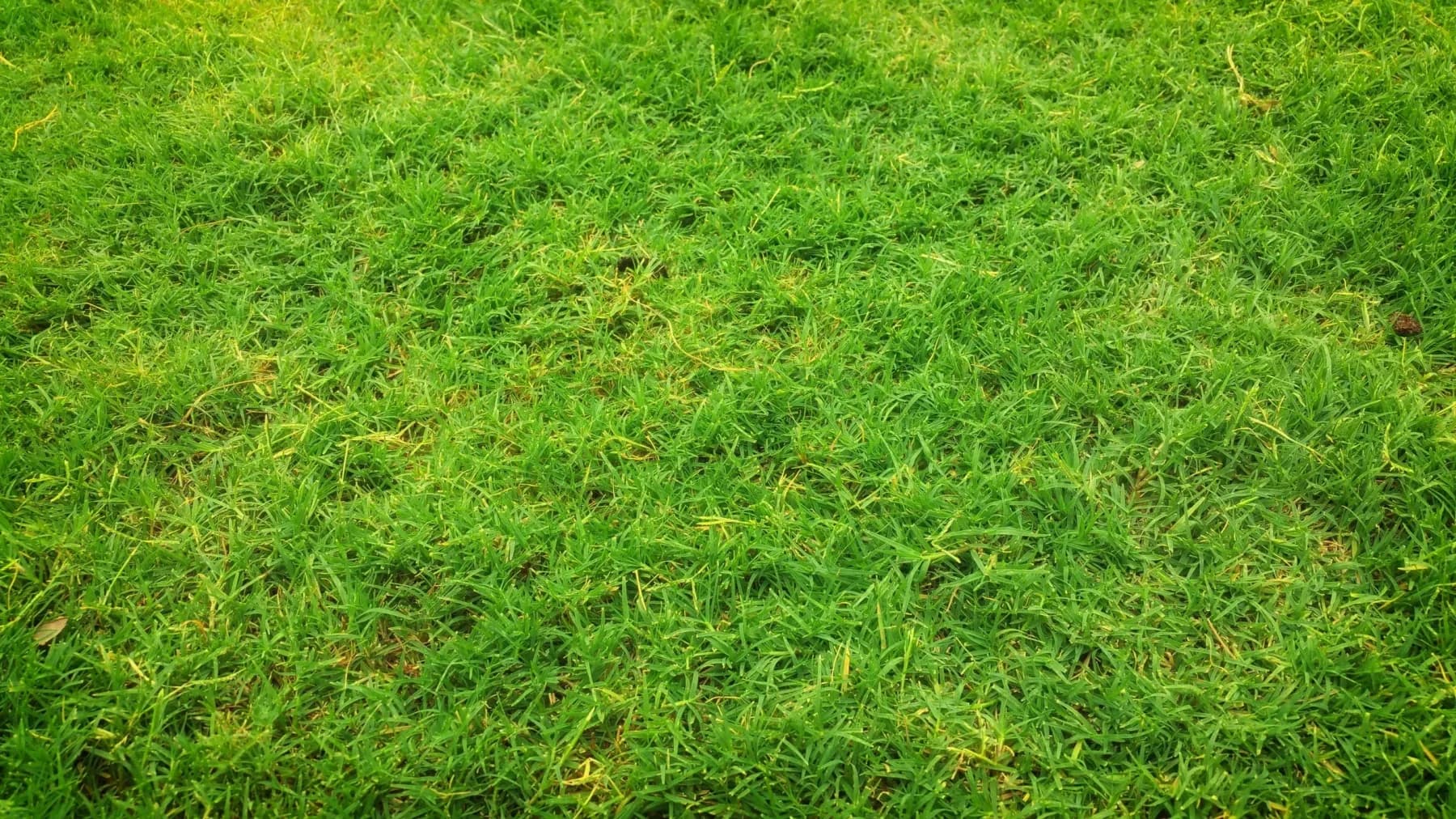
Better curb appeal
A neat lawn still matters in late fall. Buyers notice whether the outside of a home feels maintained, even if the grass is no longer growing fast.
Less risk of lawn stress
Mowing too short or mowing when grass is stressed can make the lawn look thinner and weaker. Illinois Extension specifically warns against mowing too low because it can create weed pressure and weaken turf.
Fewer winter lawn problems
Good fall lawn care helps reduce issues going into winter, especially when paired with leaf cleanup and proper final height.
Best fall lawn care tips for Chicago homeowners
Even after the last mow, a few simple steps can help the lawn and improve how the property shows.
Rake or mulch leaves
Do not let heavy leaf cover sit on the lawn. It can block light, trap moisture, and make the yard look neglected.
Overseed thin spots in early fall
Late summer to early fall is the best time to seed a cool-season lawn in Illinois.
Keep mowing high, not scalped
Illinois Extension recommends mowing most lawns in the 2.5 to 3 inch range, and notes that mowing too short causes problems.
Handle vacant-property maintenance before it becomes a problem
If the house is empty, lawn care is not just about appearance. In Chicago, vacant buildings must be kept in compliance, including grass and weeds on the premises and abutting parkways and alleys. Chicago also states that weeds cannot be allowed to grow more than 10 inches tall. –> Chicago vacant property maintenance requirements
If you are tired of dealing with mowing, leaf cleanup, snow prep, and city compliance on an empty property, selling may be easier than carrying it through another season.
Vacant house in Chicago? Lawn care is only one part of the problem
Many owners do one last mow and think they are done. But vacant-home costs keep going:
- lawn and weed control
- leaf removal
- winterization
- property taxes
- insurance
- code compliance
- security concerns
That is why some owners decide not to keep managing a vacant house through another Chicago winter. If that is where you are, Dello Investments buys vacant houses in Chicago as-is.
When to start mowing again in spring
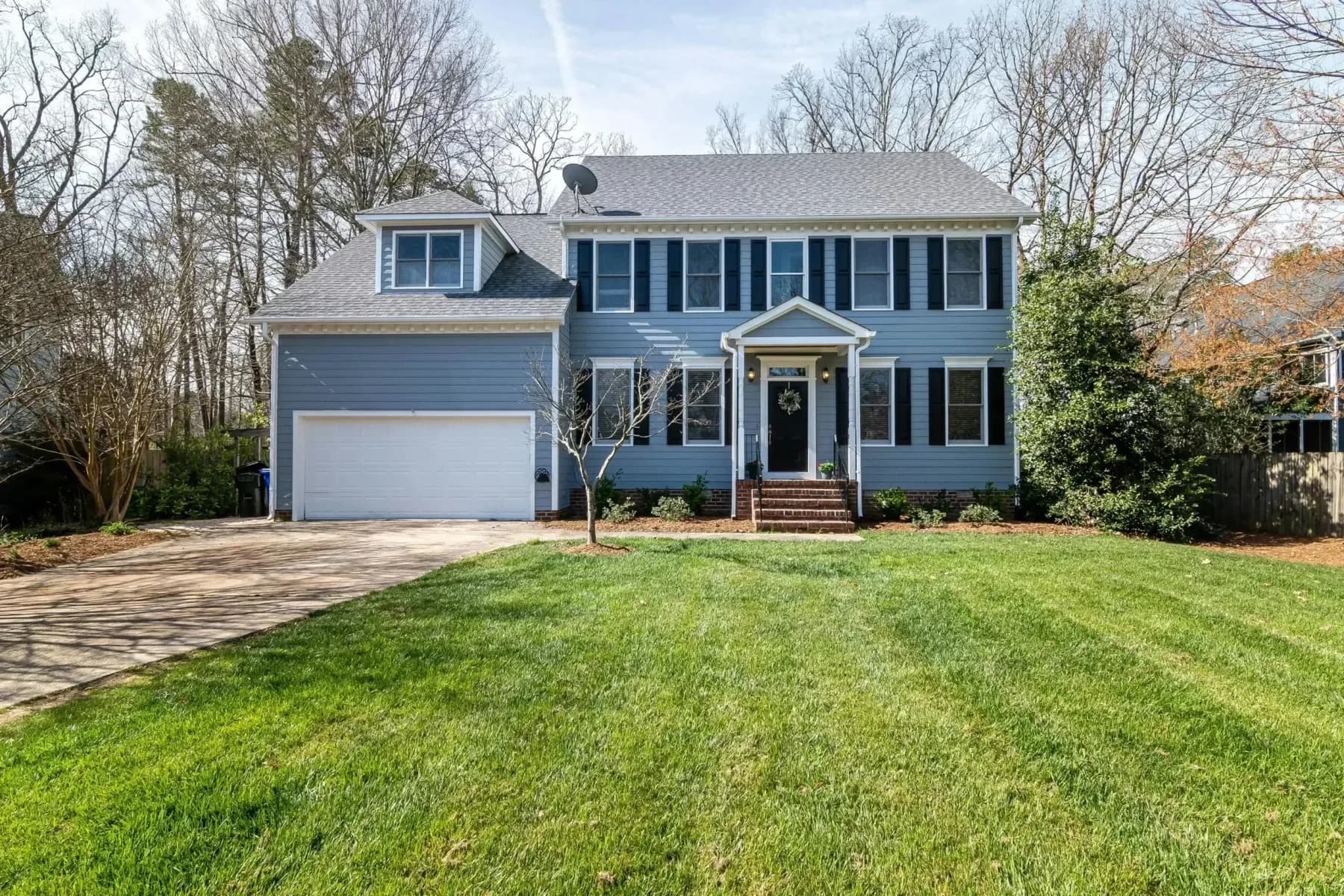
Start mowing again when the lawn is actively growing and tall enough to cut without removing more than one-third of the blade at once. Illinois Extension notes that taking off too much in one mowing can stress the grass.
For most Chicago lawns, that means waiting until spring temperatures rise and the grass is clearly growing again.
Final thoughts
So when should you stop cutting grass in Chicago?
For most homeowners, it is late October to early November, but the better rule is this: keep mowing until growth slows, avoid mowing during frost, and make the final cut at about 2.5 to 3 inches. That gives your lawn a better shot at coming back healthy in spring and helps the property look maintained heading into winter.
And if the house is vacant and you are only mowing to keep up appearances or avoid headaches, you may be better off selling instead of carrying one more season of upkeep.
Questions, Answered
What homeowners ask us most.
Usually in late October or early November, once grass growth slows down, daytime temperatures stay near or below 50°F, and frost becomes more common.
For most lawns, about 2.5 to 3 inches is a good final mowing height. Illinois Extension recommends that general range for home lawns.
Only if the frost is gone and the grass is still actively growing. Mowing frosty grass can stress or damage it.
Yes. If the lawn is still growing, stopping too soon can leave it too tall going into winter.
Yes. Even in fall, a neat yard helps curb appeal and gives buyers the sense that the property has been maintained.
Then lawn care also becomes a compliance issue. Chicago requires owners of vacant buildings to maintain the premises, including grass and weeds.
Get your fair cash offer today.
It takes five minutes to start and costs nothing to hear the number, and when you call, text, or send the form, Karen's team answers seven days a week.