
Fire-Damaged House Buying in Chicago – Cash Offers for Burned Homes in Any Condition
A fire doesn’t have to mean months of repairs and insurance headaches. We buy fire-damaged homes in any condition — smoke damage, partial burns, or total loss — so you can move on without lifting a hammer.
Call or text (312) 975-5557 — a real local person, 7 days a week. Free, and no obligation.
★★★★★ 5.0 star Google Reviewed
A+ BBB Rating
Helping Chicago Homeowners Since 2021
Woman & Veteran Local Chicago team
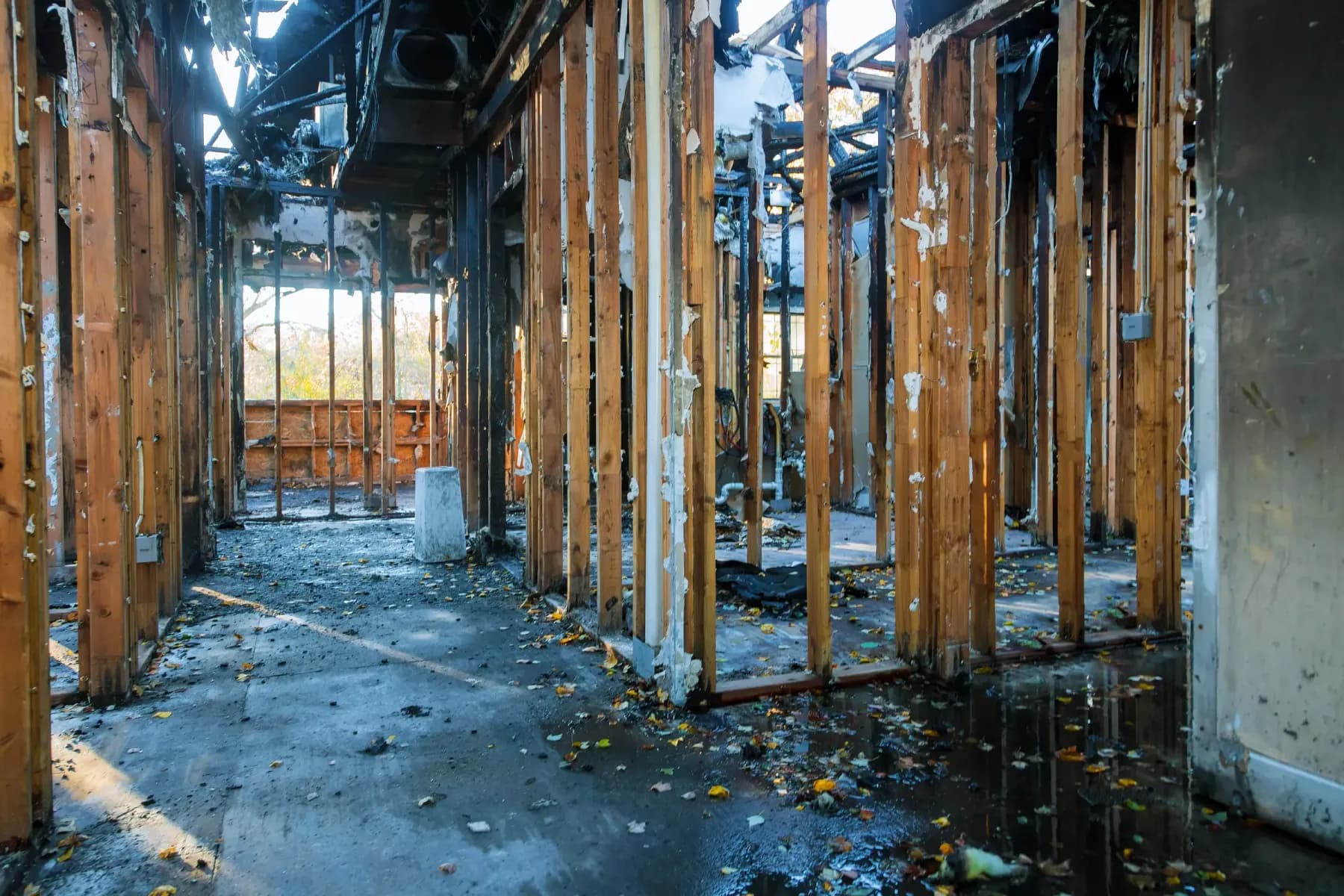
In Chicago, homeowners with fire-damaged properties can sell directly to a property investment company — no repairs, no restoration, and no contractor bids required.
This page covers how to sell a fire-damaged house fast in Chicago, whether you’re dealing with smoke damage, structural loss, a partial burn, or total destruction, in any neighborhood.
Request a no-obligation cash offer online. We evaluate damage from photos or a walkthrough and respond within 24 hours. As a property investment company, we buy fire-damaged homes as-is, so you skip restoration costs, insurance delays, and the uncertainty of finding a traditional buyer.
Quick Answer for Chicago Homeowners
Can I Sell My Fire-Damaged House in Chicago Without Making Repairs?
You do not need to repair, clean out, or wait for a lender-approved buyer.
A fire-damaged house can be sold as-is in Chicago. The key is documenting the damage, handling insurance carefully, disclosing known issues, and choosing a buyer who can close without repair conditions.
Document all damage.
Photograph every affected area, and save your insurance adjuster’s report and any repair estimates.
Contact your insurance company.
File your claim early. Do not cancel coverage or accept a final payout before you sell.
Request a cash offer.
We evaluate fire-damaged homes from photos or a walkthrough, usually within 24 hours.
Disclose known damage.
Illinois law requires sellers to disclose all known fire and smoke damage to buyers.
Review the written offer.
Accept the offer with no obligation, and review it with your real estate attorney before signing.
Close without repairs.
No repairs, no lender approval, no cleanup. Funds are delivered at closing through a licensed Illinois title company.
Fire damage does not have to stop the sale.
A direct cash sale can help you avoid repair delays, repeated showings, financing issues, and uncertainty after a fire.
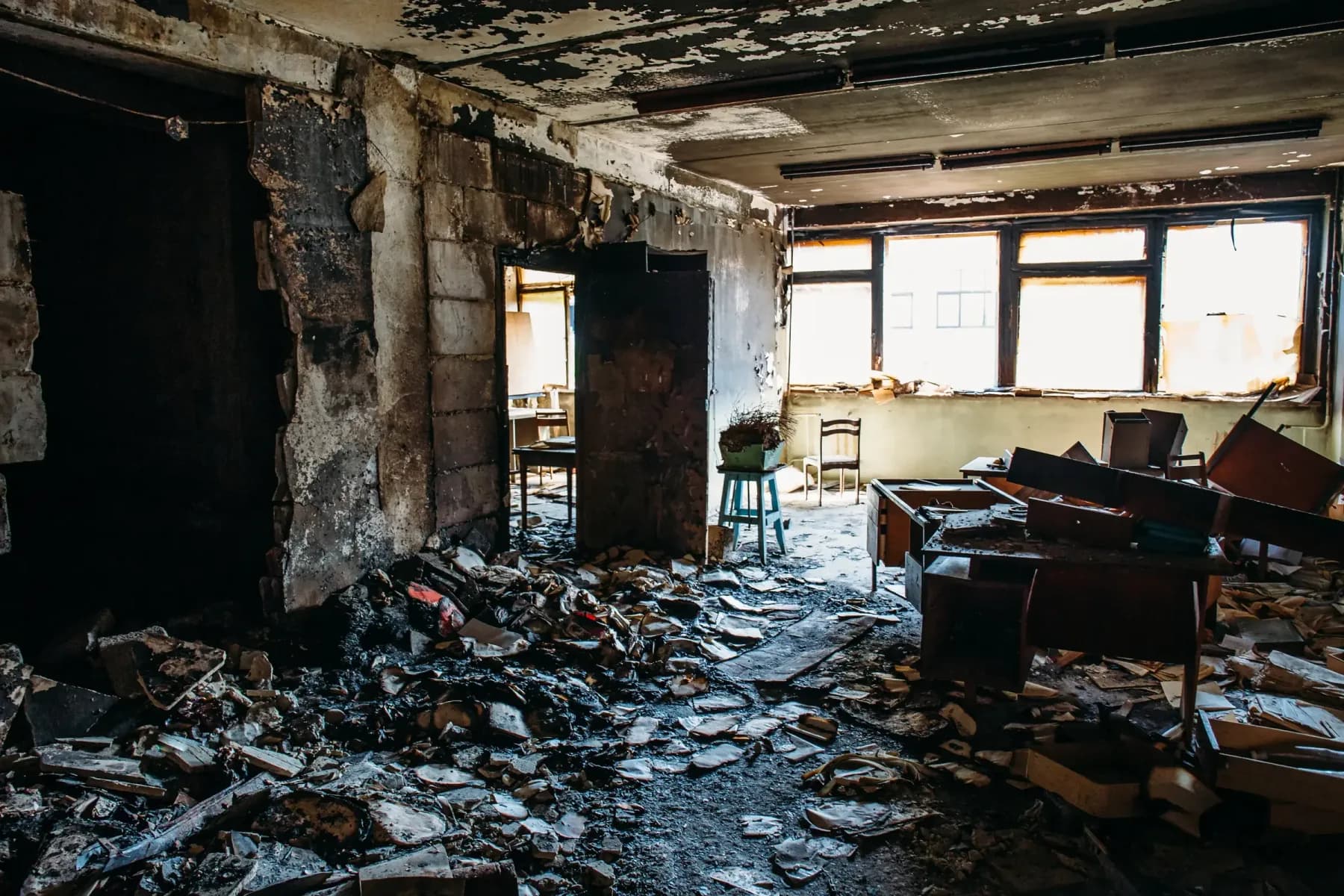
Why Traditional Buyers and Lenders Won’t Touch Fire-Damaged Homes in Chicago
If you’ve listed a burned home in Austin, Englewood, or South Shore and gotten no offers — or watched a buyer lose financing at inspection — you’ve run into a hard limit of the traditional market.
Conventional lenders generally won’t approve a mortgage on a home with significant fire damage. That leaves cash buyers as the only realistic market for burned or smoke-damaged properties, no matter how strong the location.
Chicago’s older brick bungalows and two-flats often hide smoke penetration deep in the mortar and plaster walls. Those hidden problems can kill traditional financing even when the visible damage looks minor.
Fire-Damaged House Pricing
How Property Investment Companies Evaluate and Price Fire-Damaged Houses
If you are in Pilsen, Hyde Park, or Chatham and want to understand how a cash offer gets calculated before you request one, the pricing starts with the math.
Start with after-repair value.
Investors estimate what your home could sell for after the fire restoration is complete and the property is market-ready.
Subtract the full rehab cost.
Full fire restoration can often cost $75,000 or more, depending on smoke, water, structural, electrical, and code-related work.
Account for costs and margin.
Holding costs, soft costs, and profit margin are included. A transparent buyer shows you the full calculation, not only the final number.
Local pricing matters after a fire.
Chicago permit costs, code-upgrade requirements, and dump fees add real soft costs to any fire rehab project. Buyers who know current Cook County pricing can produce offers that are more accurate and easier to trust.
Seller Disclosure
What Chicago Homeowners Must Disclose When Selling a Fire-Damaged Property
If you are in Rogers Park, Beverly, or Portage Park, you may not know what must be disclosed about a past fire, smoke damage, or water damage from firefighting.
You must disclose known material defects.
Illinois law requires sellers to disclose all known material defects, including fire damage, smoke issues, and water intrusion.
A cash buyer can accept full disclosure and still close without requiring repairs before closing.
Fire damage
Disclose known fire damage to affected rooms, systems, framing, roof areas, finishes, or structural components.
Smoke and odor issues
Smoke can affect walls, ceilings, HVAC systems, insulation, and personal property areas long after the fire is out.
Water damage
Firefighting efforts can cause water intrusion, mold risk, ceiling damage, and electrical concerns that should be shared with the buyer.
Your attorney helps protect you.
Chicago attorney-led closings, typically $700 to $1,200, include a review of your disclosure documents. An experienced real estate attorney can help protect you from liability on fire damage claims after the sale.
Before Damage Gets Worse
Steps to Sell Your Fire-Damaged Chicago Home Before Damage Gets Worse
If you are in Lawndale, West Englewood, or Bridgeport and your burned property is open to the elements, it may lose value every week.
Act before water damage spreads.
Water from firefighting efforts can create mold within 24 to 72 hours, especially when walls, ceilings, and flooring stay damp.
Address smoke damage early.
Smoke odor penetrates deeper into walls, trim, insulation, and mechanical systems the longer it sits.
Avoid winter-related damage.
Chicago winters can make open fire damage worse. Frozen pipes can burst, and snow can enter through damaged roof areas.
A faster sale can lock in value.
Selling quickly can help preserve your home’s current value before mold, smoke, broken pipes, roof exposure, and structural weakening lower what buyers can offer.
Restore or Sell As-Is
When Selling As-Is Beats Restoring Your Chicago Home After a Fire
If you are in Albany Park, Mount Greenwood, or Uptown weighing contractor bids of $75,000 to $200,000 or more against a fast cash sale, compare the true costs.
High repair costs can erase your upside.
When repair costs run 50 to 70% of your home’s after-repair value, selling as-is may net you more than restoring it.
You avoid contractor delays, permit costs, hidden damage surprises, and months of mortgage and tax payments during reconstruction.
Restoration often runs over budget.
Chicago fire restoration projects can grow once contractors open walls, inspect systems, and uncover hidden damage.
Older homes can add extra costs.
Hidden damage behind plaster walls, asbestos in pre-1980 homes, and code upgrades triggered by permits can add up fast.
Reconstruction can take months.
During repairs, you may keep paying the mortgage, taxes, insurance, utilities, and security costs while the house is not livable.
The right choice depends on your numbers.
If the repair scope is manageable and you have time, restoring may make sense. If the project is too expensive, slow, or risky, an as-is sale may be the cleaner path.
A Note on This Guidance
This page is general information about selling fire-damaged property in Illinois, not legal, financial, or insurance advice. Every situation is different. Before you sign anything, talk with your insurance adjuster and a licensed Illinois real estate attorney about your specific case.
Ready to Get a Cash Offer for Your Fire-Damaged Home?
You don’t have to face contractors, insurance delays, or a stalled listing. Tell us about your property and we’ll respond with a no-obligation cash offer, usually within 24 hours.
Call or text (312) 975-5557, or send us a message to get started.
Questions, Answered
What homeowners ask us most.
Yes. Property investment companies buy fire-damaged homes as-is. No repairs, cleanup, or restoration are required before closing.
Yes. Illinois law requires disclosure of all known material defects, including fire, smoke, and water damage. Failing to disclose can lead to legal consequences after closing.
Don’t cancel your coverage or accept a final settlement before selling. A cash buyer can factor your insurance status into the sale and coordinate directly with your adjuster.
Most cash sales close in 7–14 days from an accepted offer. There’s no lender approval, appraisal, or repair inspection to wait on.
Investors still buy total-loss properties for their land value or gut-rehab potential. Location and lot size drive the offer when the structure can’t be saved.
Yes. Sale proceeds pay off your mortgage balance at closing. If you owe more than the property is worth, a short sale with lender approval may be needed.
Get your fair cash offer today.
It takes five minutes to start and costs nothing to hear the number, and when you call, text, or send the form, Karen's team answers seven days a week.