
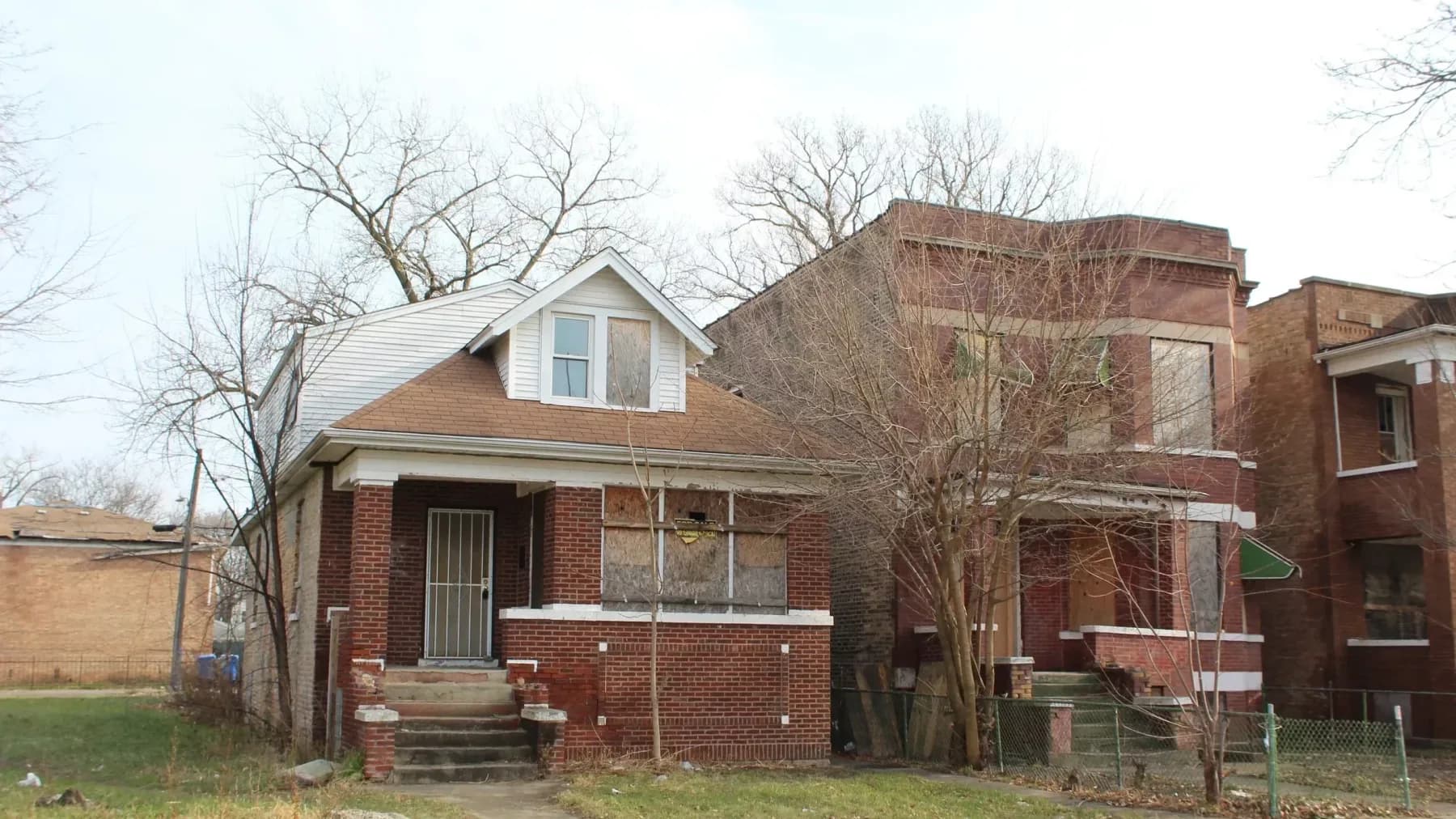
How to Sell a House That Needs Repairs in Chicago
Selling a house that needs repairs in Chicago can feel overwhelming. Maybe the roof is leaking, the plumbing is outdated, the electrical panel needs work, or the property has open city violations.
The good news is: yes, you can sell a house that needs repairs in Chicago.
You can make repairs before listing, sell the property as-is, offer buyer credits, or work with a local cash buyer who purchases homes in their current condition.
This guide explains your options, what repairs matter most, how to price the home, and how to sell without wasting money on updates that may not pay off.
Can You Sell a House That Needs Repairs in Chicago?
Yes. Chicago homeowners can sell houses that need repairs, including homes with:
- Roof damage
- Foundation issues
- Old plumbing
- Outdated electrical systems
- Water damage
- Fire damage
- Code violations
- Tenant damage
- Hoarder conditions
- Deferred maintenance
The main question is not whether you can sell. It’s which selling option gives you the best outcome.
Some sellers make repairs and list with an agent. Others sell as-is to avoid contractors, permits, inspections, and months of delays.
Learn more about selling as-is here: Sell Your House As-Is in Chicago
Understand the Chicago Market for Homes That Need Repairs
Chicago has many older properties, especially in neighborhoods with two-flats, bungalows, brick homes, and multi-unit buildings.
Repair-heavy homes are common in areas like:
- Austin
- Humboldt Park
- Little Village
- Englewood
- North Lawndale
- Garfield Park
- South Shore
- Pilsen
- Cicero
- Berwyn
Buyer demand depends on the neighborhood, repair costs, property type, and after-repair value.
A fixer-upper in Logan Square may attract multiple investors. A home with major violations in another area may need a more targeted buyer.
Check for Open Chicago Building Violations
Before selling, check whether your property has open violations, expired permits, or inspection issues.
The City of Chicago lets owners search building permit, inspection, and violation records by address through the Department of Buildings.
Open violations can affect:
- Buyer confidence
- Financing approval
- Negotiations
- Closing timelines
- Final sale price
Know Your Best Buyer Type
Not every buyer wants a house that needs work.
Your best buyer depends on the condition of the home.
Traditional Buyers
Traditional buyers may consider light repairs, but they usually want the home to be safe, clean, and financeable.
They may walk away if the house has:
- Major roof damage
- Mold
- Foundation problems
- Unsafe electrical systems
- Open code violations
Investors
Investors often look for properties they can renovate and resell or rent.
They care about:
- Purchase price
- Repair budget
- After-repair value
- Rental potential
- Neighborhood demand
Cash Buyers
Cash buyers are often the best fit for homes with major repairs because they can usually buy without lender-required repairs.
Learn how this works -> How Cash Home Buyers Work in Chicago
How to Price a House That Needs Repairs
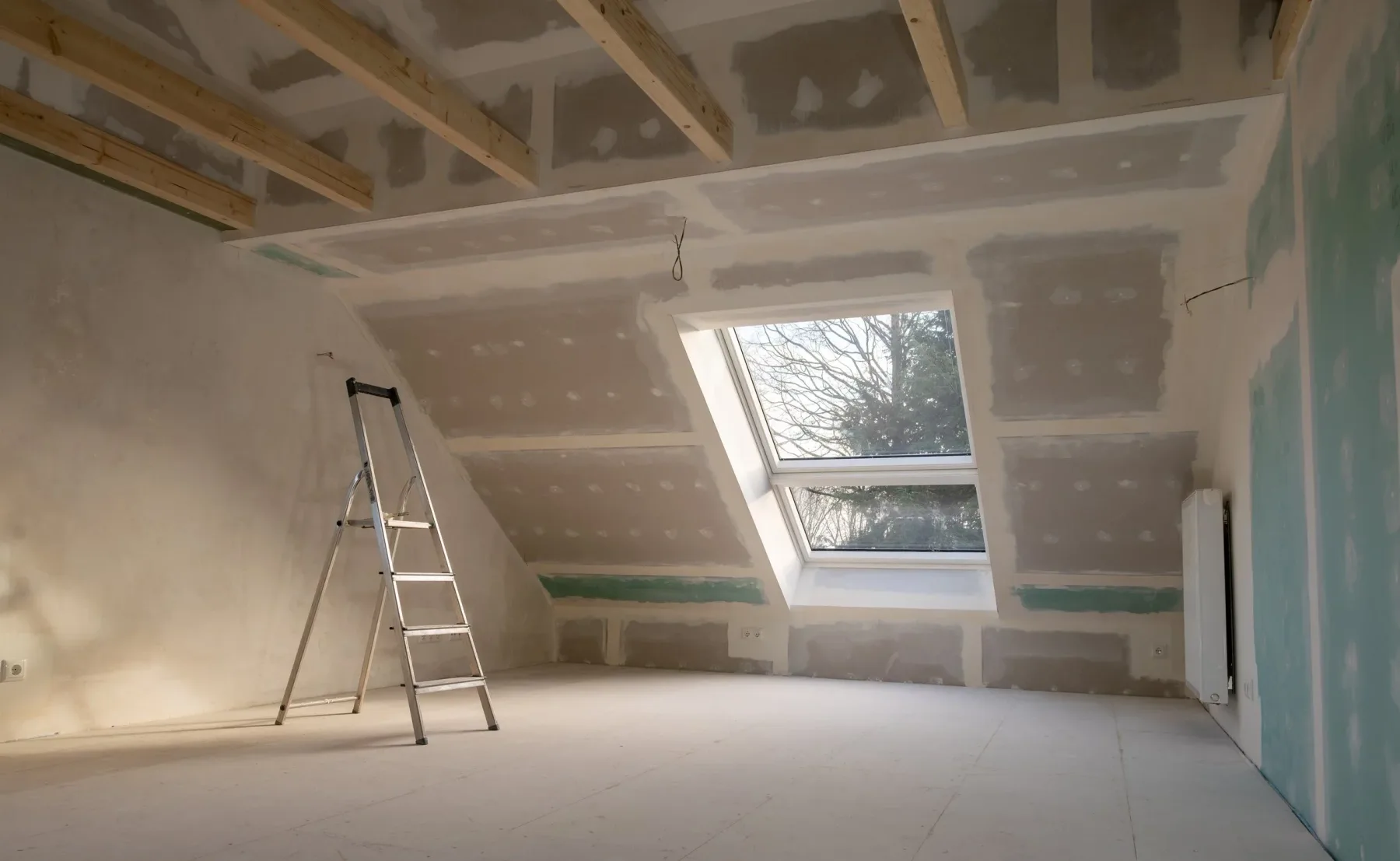
Pricing matters more when the property needs work.
If the price is too high, buyers will ignore it. If it’s too low, you may leave money on the table.
A simple pricing formula is:
Estimated After-Repair Value – Repair Costs – Buyer Risk/Profit = As-Is Value
For example:
- After-repair value: $300,000
- Estimated repairs: $60,000
- Investor risk/profit: $40,000
- Estimated as-is value: $200,000
This is not exact, but it helps you understand how buyers think.
Should You Make Repairs Before Selling?
It depends on the repair type, your budget, and your timeline.
Some repairs may help the home sell faster. Others may not be worth the cost.
Repairs Worth Considering
Focus on repairs that affect safety, financing, or first impressions:
- Roof leaks
- Plumbing leaks
- Electrical hazards
- Broken windows
- Mold or water damage
- Unsafe stairs or railings
- Major cleaning or junk removal
Repairs That May Not Be Worth It
Avoid expensive upgrades that may not return your money:
- Luxury kitchen remodels
- High-end bathroom upgrades
- Custom flooring
- Designer fixtures
- Major additions
In Chicago, some repairs may also require permits. The City of Chicago Department of Buildings provides permit information for many repair and construction projects.
Selling As-Is Still Requires Disclosure
Selling as-is does not mean you can hide known problems.
Illinois law, more specifically the Illinois Residential Real Property Disclosure Act requires residential sellers to provide a written disclosure report before the buyer signs a contract.
Disclose known issues such as:
- Basement leaks
- Roof defects
- Foundation problems
- Electrical defects
- Plumbing issues
- Code violations
- Environmental hazards
- Boundary disputes
Being honest protects you and helps avoid disputes after closing.
Best Ways to Sell a House That Needs Repairs
Option 1: Make Repairs and List Traditionally
This can work if you have time, cash, and the repairs are manageable.
Pros:
- May attract more buyers
- Could increase sale price
- Better chance of buyer financing
Cons:
- Upfront repair costs
- Contractor delays
- Permit issues
- Inspection surprises
Option 2: Sell As-Is With a Realtor
You can list the home as-is and let buyers know repairs are needed.
- MLS exposure
- Competitive bidding possible
- No need to complete every repair
- Buyers may negotiate heavily
- Financing may fall through
- Inspection issues can delay closing
Option 3: Offer Repair Credits
Instead of fixing everything, you may offer a credit at closing.
This allows the buyer to handle repairs after purchase.
Repair credits can help when:
- The buyer wants control over the work
- You do not want to manage contractors
- Repairs are cosmetic or moderate
Option 4: Sell Directly to a Local Cash Buyer
Selling to a local cash buyer is often the fastest option for a house that needs major repairs.
At Dello Investments, we buy Chicago houses as-is, including properties with:
- Fire damage
- Water damage
- Old roofs
- Code violations
- Bad tenants
- Hoarder conditions
- Foundation issues
- Probate problems
You do not need to clean, repair, or update the property before selling.
Tips for Selling a Repair-Heavy Home
Get Repair Estimates
Even if you do not plan to fix everything, estimates help buyers understand the scope of work.
Clean What You Can
Basic cleaning, trash removal, and yard cleanup can improve first impressions.
Be Honest About Condition
Clear disclosures build trust and reduce problems later.
Gather Documents
Helpful documents include:
- Inspection reports
- Contractor estimates
- Permit records
- Violation notices
- Warranty paperwork
- Utility bills
Stay Flexible
Repair-heavy homes often attract investors and cash buyers who move quickly. Be prepared for fast showings and quick offers.
Final Thoughts
Selling a house that needs repairs in Chicago is possible, but the right strategy matters.
If the repairs are minor, listing traditionally may work. If the property has major damage, code violations, or expensive repairs, selling as-is may save time, stress, and upfront costs.
Dello Investments buys houses throughout Chicago and Cook County in any condition. We can make a fair cash offer, explain the numbers, and let you choose the closing date.
Need to Sell a Chicago House That Needs Repairs?
Call or text (312) 975-5557 for a no-obligation cash offer.
Questions, Answered
What homeowners ask us most.
Yes, you can sell a house completely as-is in Chicago. An as-is sale means the buyer accepts the property in its current condition, and you do not have to make any repairs or offer money to the buyer to fix the house.
No, you are not legally required to fix your house before selling it in Illinois. Many Chicago homeowners choose to sell their properties as-is to local cash buyers to avoid the high costs of roofing, plumbing, or foundation repairs.
Yes. Under the Illinois Residential Real Property Disclosure Act, sellers must disclose all known major defects. Even if you are selling a house as-is, you must tell the buyer about known issues like roof leaks, foundation cracks, or plumbing problems.
Real estate investors and cash home buyers regularly purchase Chicago houses that need major repairs. Companies like Dello Investments buy distressed properties across the South Side, West Side, and Cook County suburbs, handling all the necessary renovations after closing.
Usually, no. Traditional lenders will not approve a mortgage if a house has severe structural issues, a bad roof, or safety hazards. This is why houses needing heavy repairs are almost always sold to cash buyers who do not rely on bank approvals.
It depends on the buyer. Traditional buyers usually still order an inspection to know what they are buying, and they may cancel the contract if the repairs are too extensive. Experienced cash home buyers often skip formal inspections or do a simple walk-through to speed up closing.
Get your fair cash offer today.
It takes five minutes to start and costs nothing to hear the number, and when you call, text, or send the form, Karen's team answers seven days a week.