

Behind on Mortgage Help in Chicago
Behind on mortgage payments? Get help in 24 hours—explore loan modifications, cash sales, or payment plans.
Call (312) 975-5557 now.
Missed 1, 2, or 3 payments? Worried about foreclosure? We help Chicago homeowners understand every option before foreclosure filing damages credit. You still have time to act across Cook County.
What can I do if I'm struggling to pay my mortgage in Chicago?
Contact your lender immediately – Ask about forbearance, loan modification, or repayment plans; Illinois servicers must offer loss mitigation options.
Review Illinois foreclosure timelines – Foreclosure takes 7–12 months in Cook County; you have time to explore alternatives before sale date.
Consider selling for cash – A direct sale to a property investment company lets you exit before foreclosure filing and preserve credit.
Consult a HUD-approved counselor – Free resources in Chicago help you understand your rights and evaluate refinancing or short sale.
Avoid scams and deed theft – Work only with licensed title companies and real estate attorneys when selling or modifying your loan.
Act before default accelerates – The sooner you respond, the more options you have; waiting reduces flexibility and increases fees.
What to Do If You're Struggling to Pay Your Mortgage in Chicago
Homeowners throughout Chicago and suburbs like Oak Park, Berwyn, and Cicero face mortgage struggles from job loss, medical bills, divorce, or adjustable rate increases. The fear of losing your home creates overwhelming stress. Understanding your legal rights under Illinois law helps you make informed decisions before panic takes over.
Cook County operates under judicial foreclosure rules. Lenders must file court cases before taking your property. This process takes months and gives you time to explore alternatives. Free HUD-approved counseling services throughout Chicago help you understand forbearance agreements, loan modification options, short sales, and direct cash sales.
Compare your options side-by-side. Forbearance pauses payments temporarily but adds them to your loan balance. Modification changes loan terms permanently but requires strict qualification criteria. Short sales need lender approval and take months. Cash sales close in 7–14 days and end your mortgage obligation immediately. Each option fits different situations—knowing which one matches your circumstances protects your financial future.
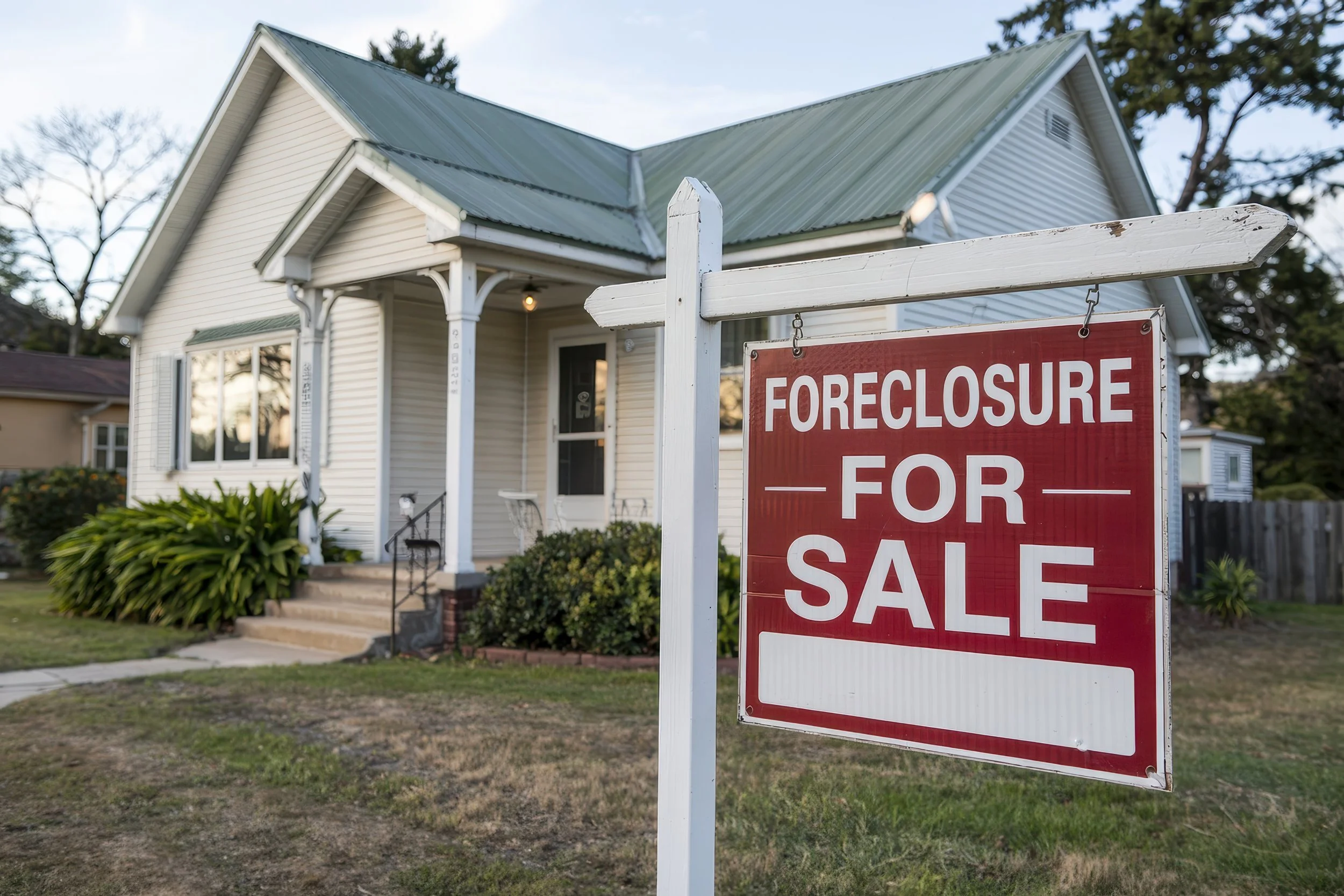
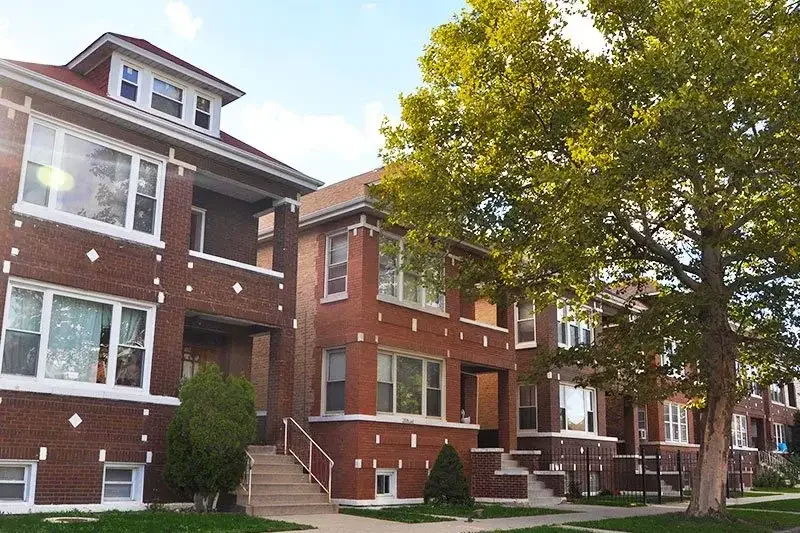
How Long You Can Be Behind on Payments Before Foreclosure Starts in Illinois
Homeowners across the city and suburbs wonder exactly when foreclosure filing begins. Illinois law requires your lender to send a 30-day breach notice after one missed payment. This notice warns that continued non-payment may lead to acceleration and foreclosure. Most lenders wait 90–120 days (3–4 missed payments) before filing actual foreclosure cases in Cook County court.
The timeline from first missed payment to foreclosure filing typically spans 4–6 months. During this period, your credit score drops as payments become 30, 60, and 90 days late. Damage to credit starts at 90 days delinquent—before any court filing occurs. Chicago's Cook County court system handles high foreclosure volumes, causing cases to extend 7–12 months from filing to sheriff sale.
Understanding this timeline empowers you to act strategically. The earlier you respond, the more options you have. Waiting until foreclosure filing reduces your choices and increases accumulated fees, interest, and legal costs. Properties throughout Cook County sell successfully before foreclosure filing prevents credit damage entirely.
When Selling Your Chicago Home Fast Beats Refinancing or Forbearance
Loan modification and forbearance seem attractive when you first fall behind. These options let you keep your home. But they work only when your income recovers enough to afford modified payments. Homeowners in neighborhoods throughout the city and suburbs like Maywood, Dolton, and Bellwood must evaluate whether keeping the property makes financial sense long-term.
Selling eliminates monthly mortgage payments immediately. You avoid years of modified loan terms with ballooning back payments added to your balance. Chicago property taxes ranging from $6,000–$12,000 annually add to ownership costs. If you're underwater or barely breaking even after factoring in necessary repairs, selling now prevents deeper financial loss.
Relocation without foreclosure on your record protects your future rental applications and employment background checks. Forbearance pushes problems down the road—you still owe accumulated back payments. Modification keeps you tied to a property you may no longer afford. Cash sales provide clean exits that let you rebuild financial stability immediately.
Steps to Sell Your House Before Foreclosure Hits Your Credit in Cook County
Homeowners ready to act need clarity on closing speed and lender cooperation during default. Properties throughout Chicago and suburban Cook County sell successfully before foreclosure filing through straightforward processes. Submit your property address for a cash offer evaluation. Buyers respond within 24 hours with no-obligation offers showing net proceeds after mortgage payoff.
Accept the offer and buyers coordinate directly with your mortgage servicer to obtain payoff amounts. Closings complete in 7–14 days—often before your next missed payment posts. This speed matters because each additional late payment drops your credit score further. Illinois law allows deficiency judgments, meaning lenders can pursue you for remaining balances after foreclosure sales.
Selling for enough to cover your loan balance (or negotiating short sales with lender approval) protects you from post-foreclosure debt collection. Buyers experienced in distressed property transactions handle all lender coordination while you prepare for your next chapter. Properties sell this way daily across Cook County—you're not alone in choosing this exit strategy.
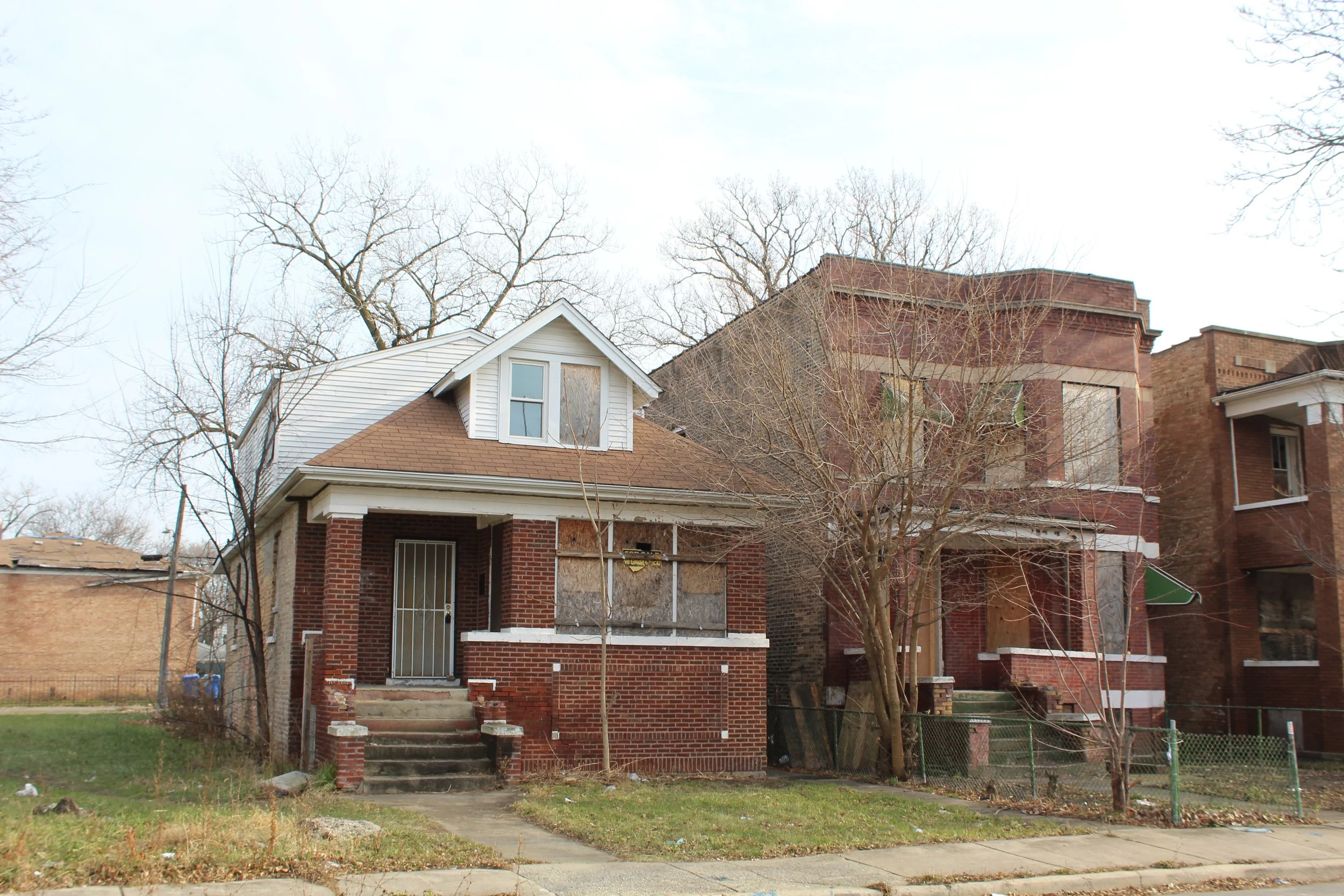
Can You Refinance or Get a Home Equity Loan If You're Behind on Mortgage Payments in Chicago?
Homeowners hope to refinance into lower rates or tap equity through home equity loans. These solutions work when you're current on payments with decent credit scores above 620. Once you fall 60+ days late, lenders typically deny applications until you're current for 12 consecutive months. This creates a catch-22 for struggling homeowners—you need funds to catch up but can't access refinancing until you're already current.
Winter heating costs and property tax installments strain Chicago budgets throughout the year. If refinancing isn't feasible due to late payments, selling lets you access remaining equity without waiting 12 months. Cash buyers purchase properties from homeowners with recent late payments, active defaults, or even foreclosure filings already in progress.
Traditional refinancing requires extensive documentation, appraisals, and underwriting taking 30–60 days. Home equity loans demand similar qualification standards. Both options disappear once you fall significantly behind. Cash sales provide immediate access to whatever equity remains in your property without credit score requirements or payment history qualifications.

FAQs
How many mortgage payments can I miss before foreclosure starts in Illinois?
Typically 3–4 missed payments (90–120 days delinquent) before your lender files foreclosure in Cook County court; earlier action protects your options.
What happens if I can't afford my mortgage anymore in Chicago?
Contact your servicer for forbearance or modification, consult a HUD counselor, or sell quickly to a cash buyer before foreclosure damages your credit.
Can I sell my Chicago house if I'm behind on mortgage payments?
Yes—you can sell anytime before the foreclosure sale date; proceeds pay off your lender, and you keep any remaining equity.
How long does foreclosure take in Cook County?
Judicial foreclosure averages 7–12 months from filing to sheriff's sale; timelines vary based on court backlog and lender delays.
Will selling my house stop foreclosure in Illinois?
Yes—closing before the sheriff's sale cancels the foreclosure case and prevents the judgment from appearing on your credit report.
Can I get a home equity loan if I'm behind on payments in Chicago?
Unlikely—lenders require current payment status and good credit; if you're delinquent, selling may be your only way to access equity quickly.
Take Action Now: Free Mortgage Help Consultation
Get expert guidance on your mortgage situation. Explore all your options today.
📞 Call: (312) 975-5557 Available 7 days a week, 8 AM–9 PM
📝 Get My Cash Offer Button Below Fill out our form—receive offer within 24 hours
📧 Email: connect@delloinvestments.com Send us your situation—confidential and pressure-free