
Expert home selling advice for Chicago homeowners

Whether you’re looking to sell your house fast, avoid foreclosure, handle a vacant or inherited property, or simply maximize your home’s value, our expert resources are here to help.
Browse by topic below to explore expert strategies, tips, and local insights — or scroll down to filter and view all blog posts by category. Find everything you need to sell your home quickly, easily, and for the best possible offer.
How to Sell Your House Fast
Explore strategies to sell your Chicago home quickly — whether through cash offers, FSBO sales, or working with professional home buyers.


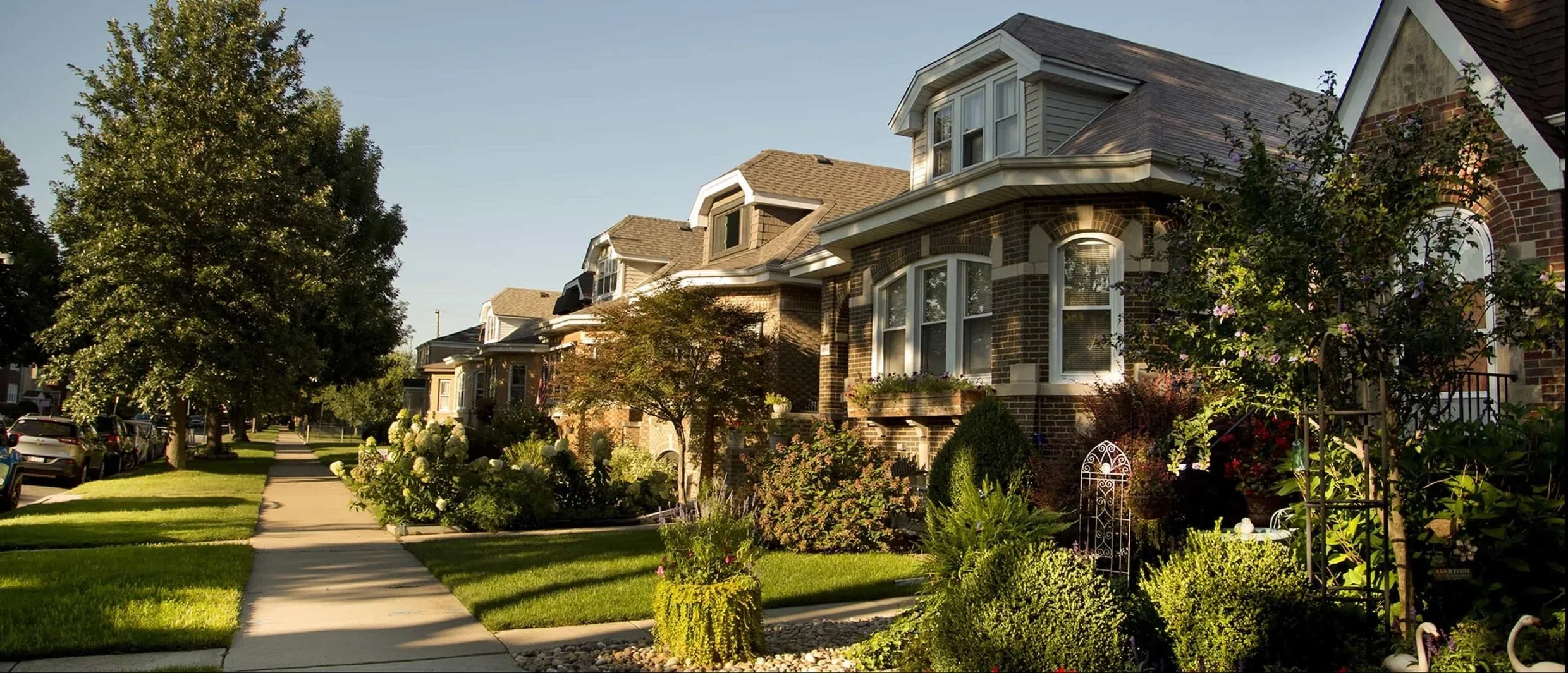
Tips for Vacant & Distressed Properties
Tips for selling fire-damaged homes, vacant properties, and navigating Chicago’s strict property ordinances.
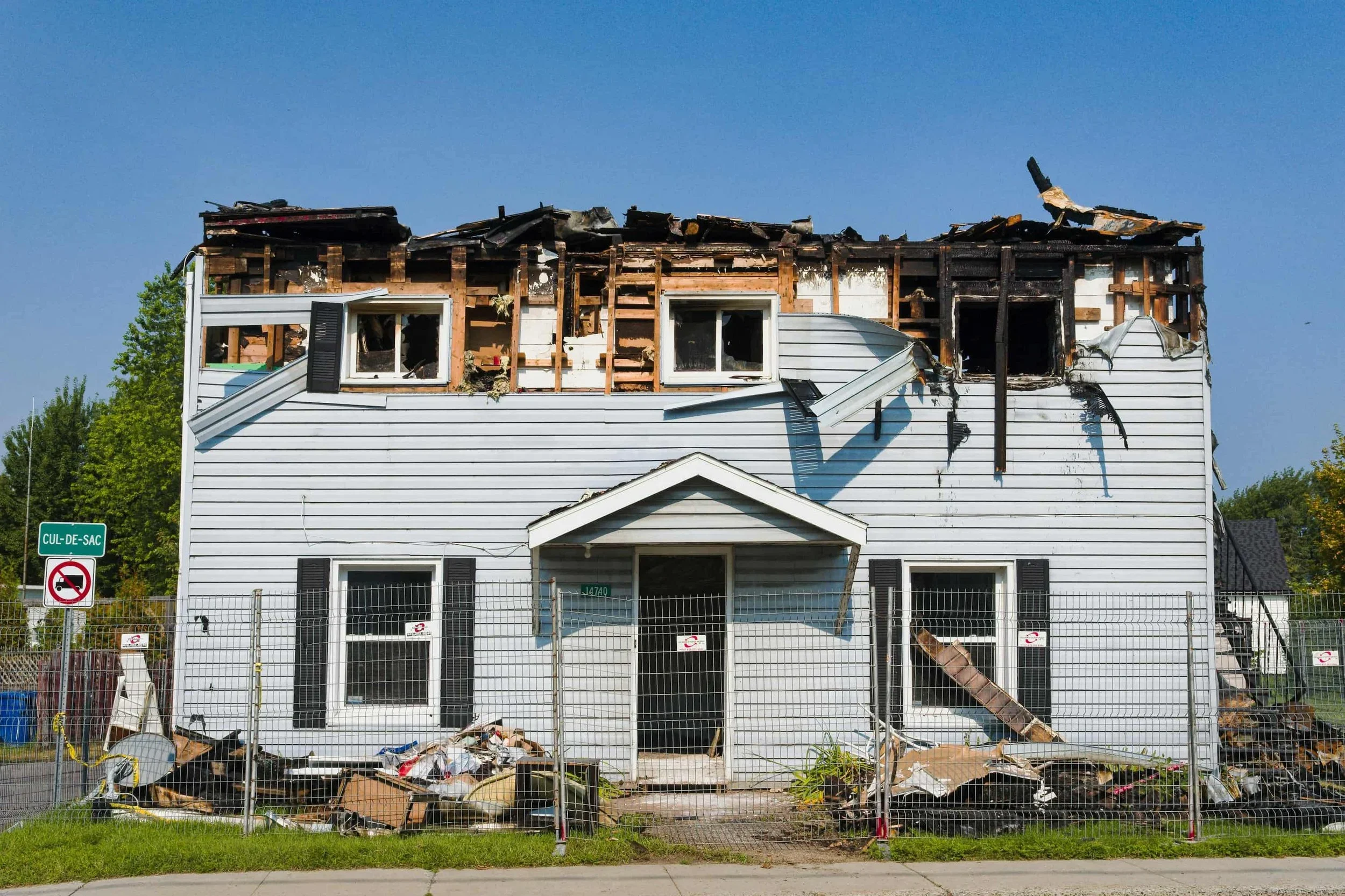

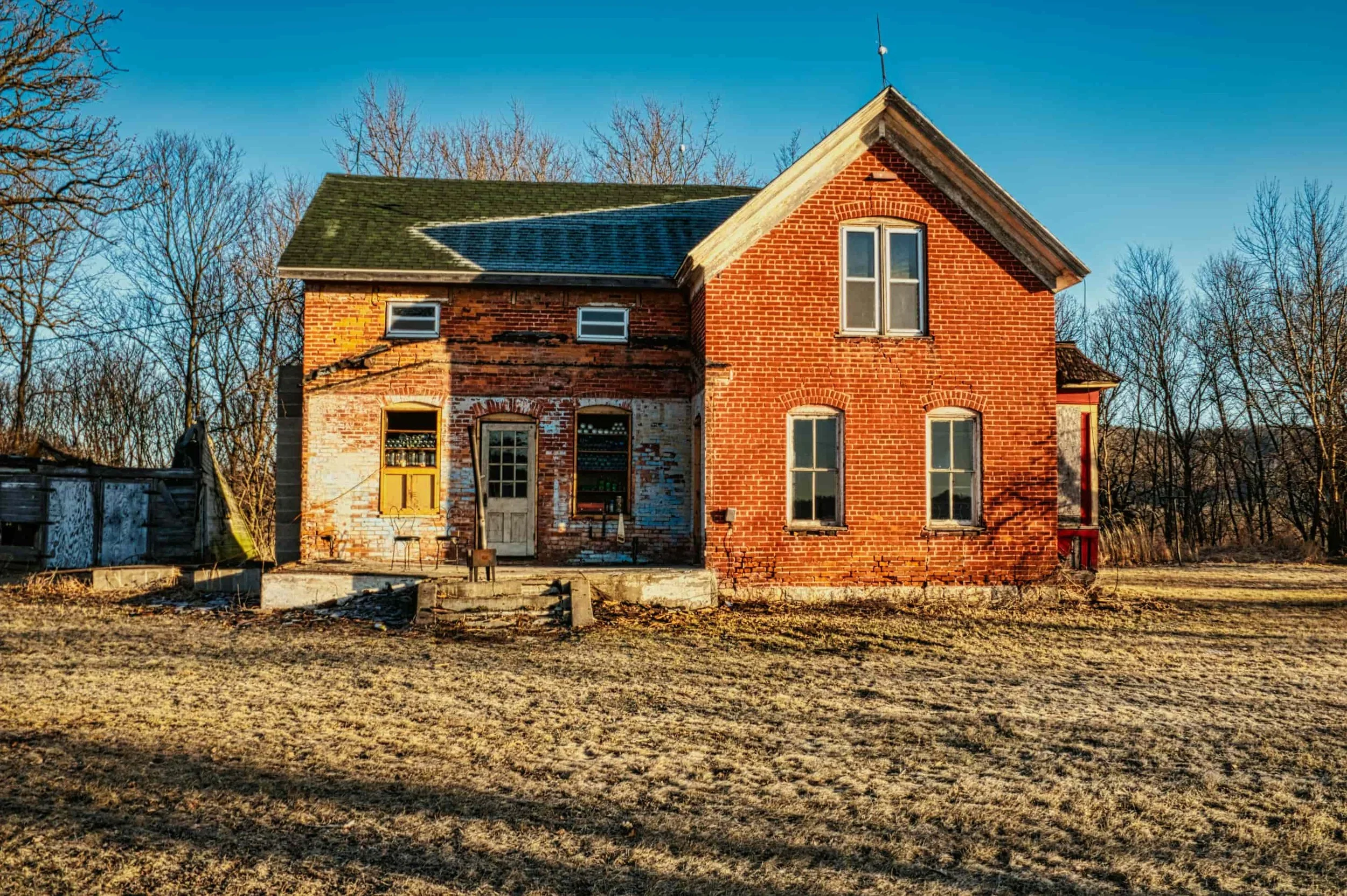
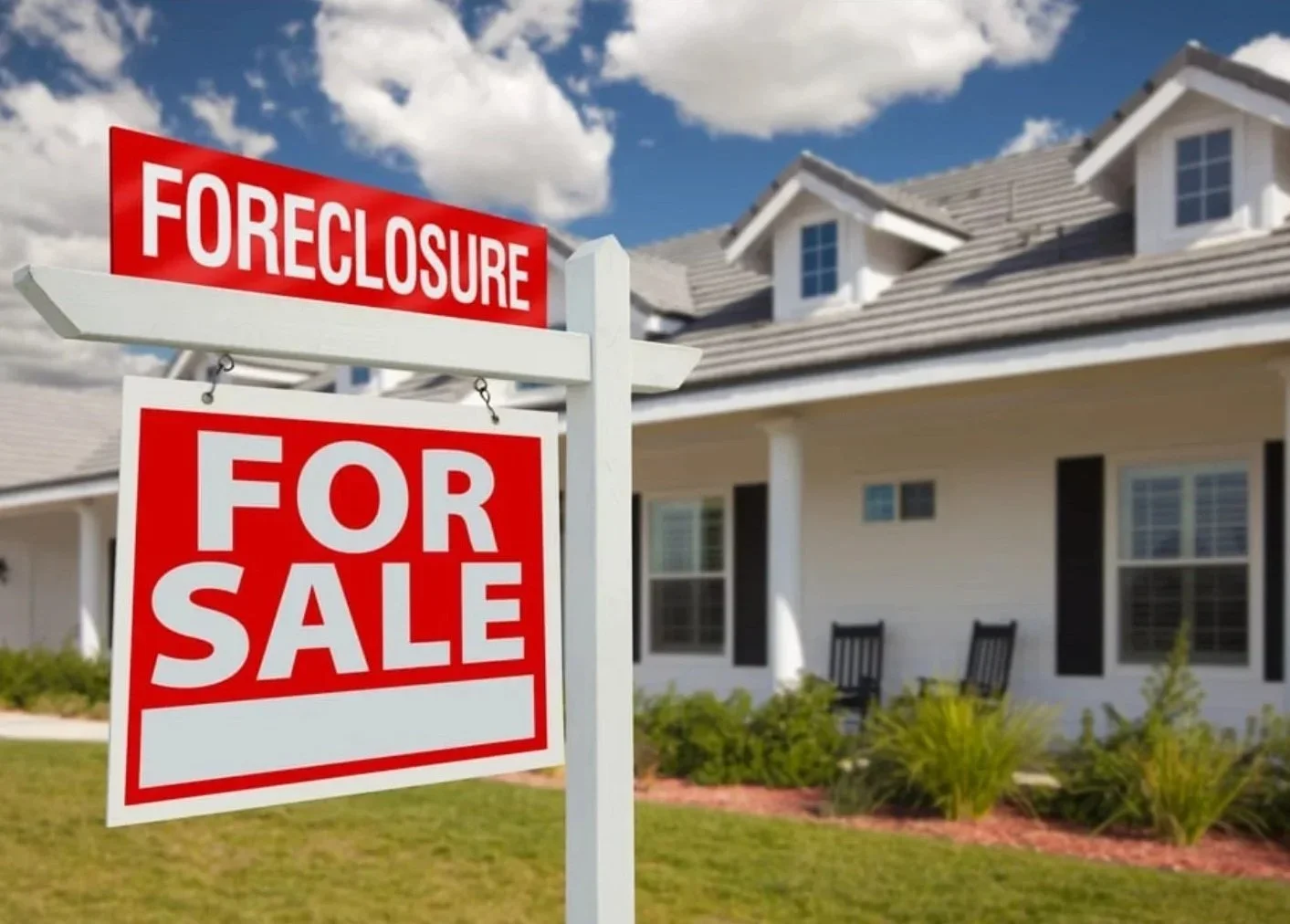
Tips for Foreclosures & Legal Issues
Facing foreclosure or legal complications? Discover how to safeguard your home, access available resources, and comprehend the foreclosure process in Chicago.



All blog articles
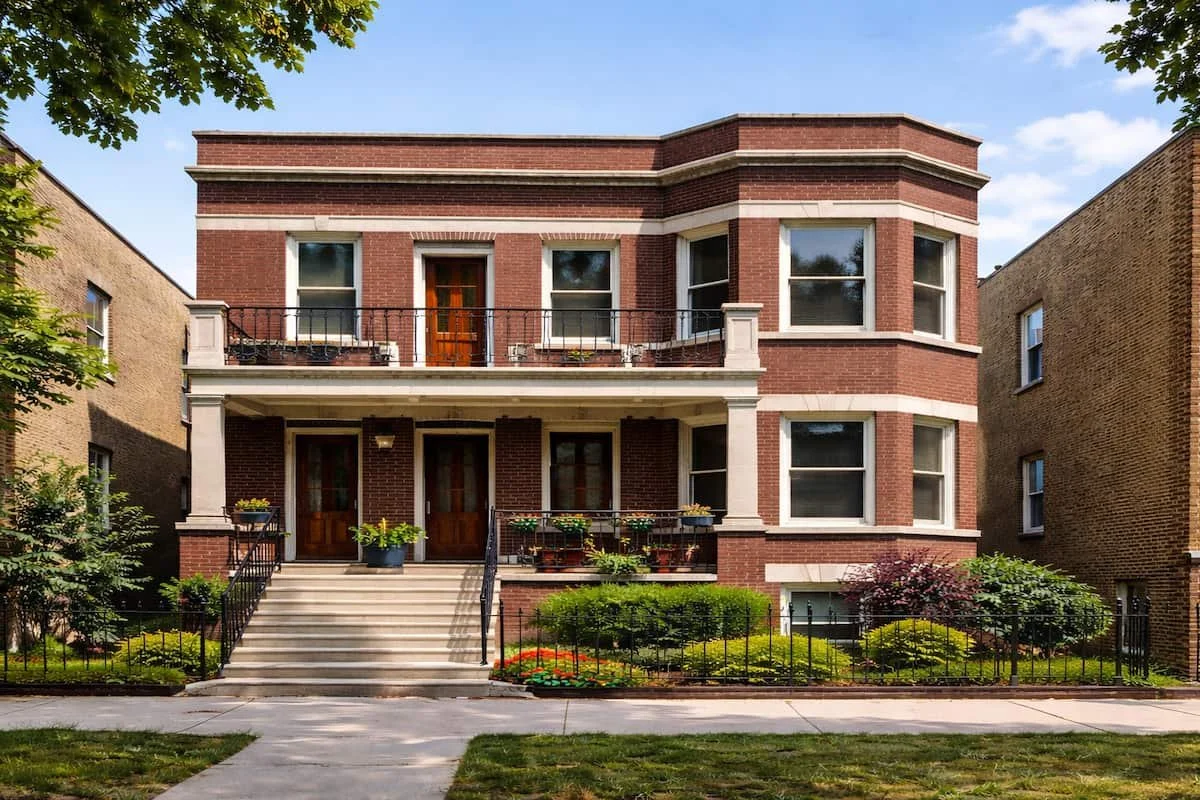
Selling a House With Foundation Issues in Chicago
llinois law requires sellers to disclose known foundation issues to buyers. Most Chicago buyers request a home inspection, which often flags cracks, settling, or water damage. Foundation repair cost in Chicago often ranges from $5,000 to $25,000, based on damage type and access. Some sellers repair before listing to protect value, while others sell as-is at a lower price. Cash buyers and investors often accept homes with foundation issues without repairs.
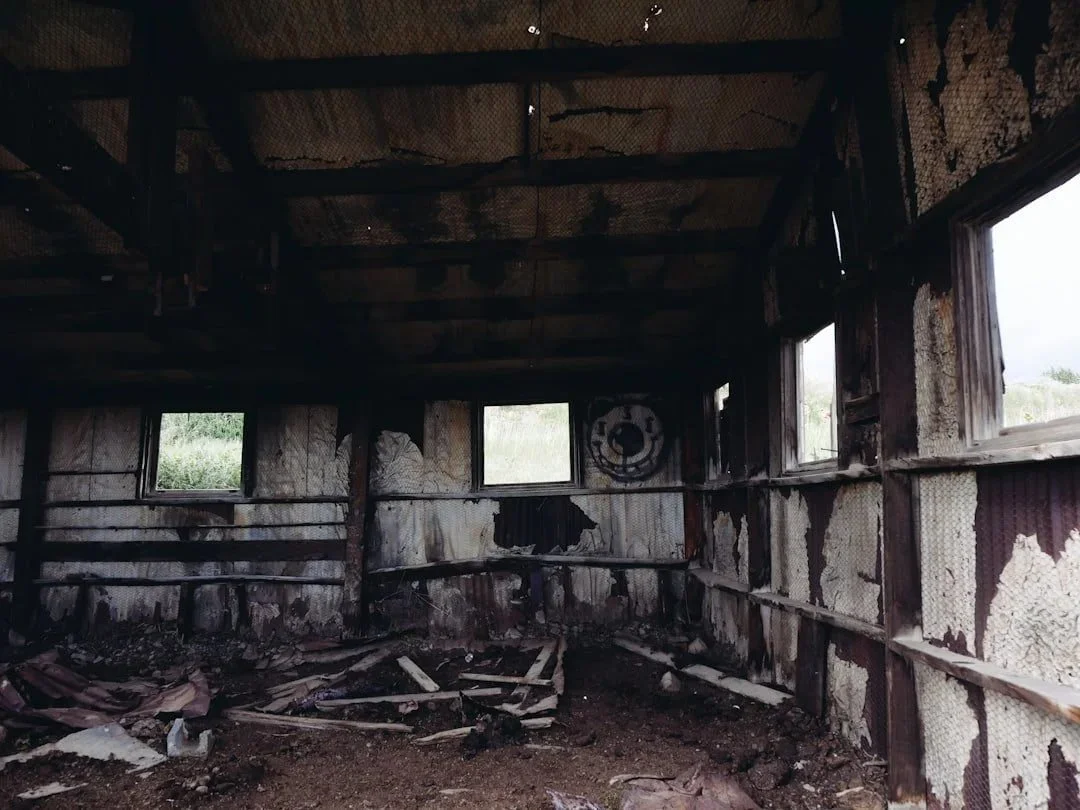
How to Sell a Fire-Damaged House in Chicago?
You can sell a fire damaged house in Chicago by disclosing the damage and choosing whether to repair or sell as-is.
Illinois law requires sellers to disclose known fire damage, including smoke damage and structural fire damage. Chicago sellers often sell fire damage property as-is to avoid repair costs and permit delays. Fire damage can lower value, even when flames affected only part of the home. Buyers may still purchase burned houses for renovation or land use. Selling as-is avoids repair timelines that can exceed 6 months. You can list with an agent or sell directly to an investor. Each option affects price, speed, and paperwork. Review Chicago disclosure forms before listing.

Selling a House With Delinquent Property Taxes in Cook County
A property tax lien forms when delinquent taxes are unpaid, and in Cook County, this can occur after one missed bill. The lien follows the property, so buyers require it to be cleared before transfer. Most sellers pay the past-due balance from sale proceeds, which often includes interest and fees. If the taxes were sold at a Cook County tax sale, you must redeem them before closing, and this process can take several days.
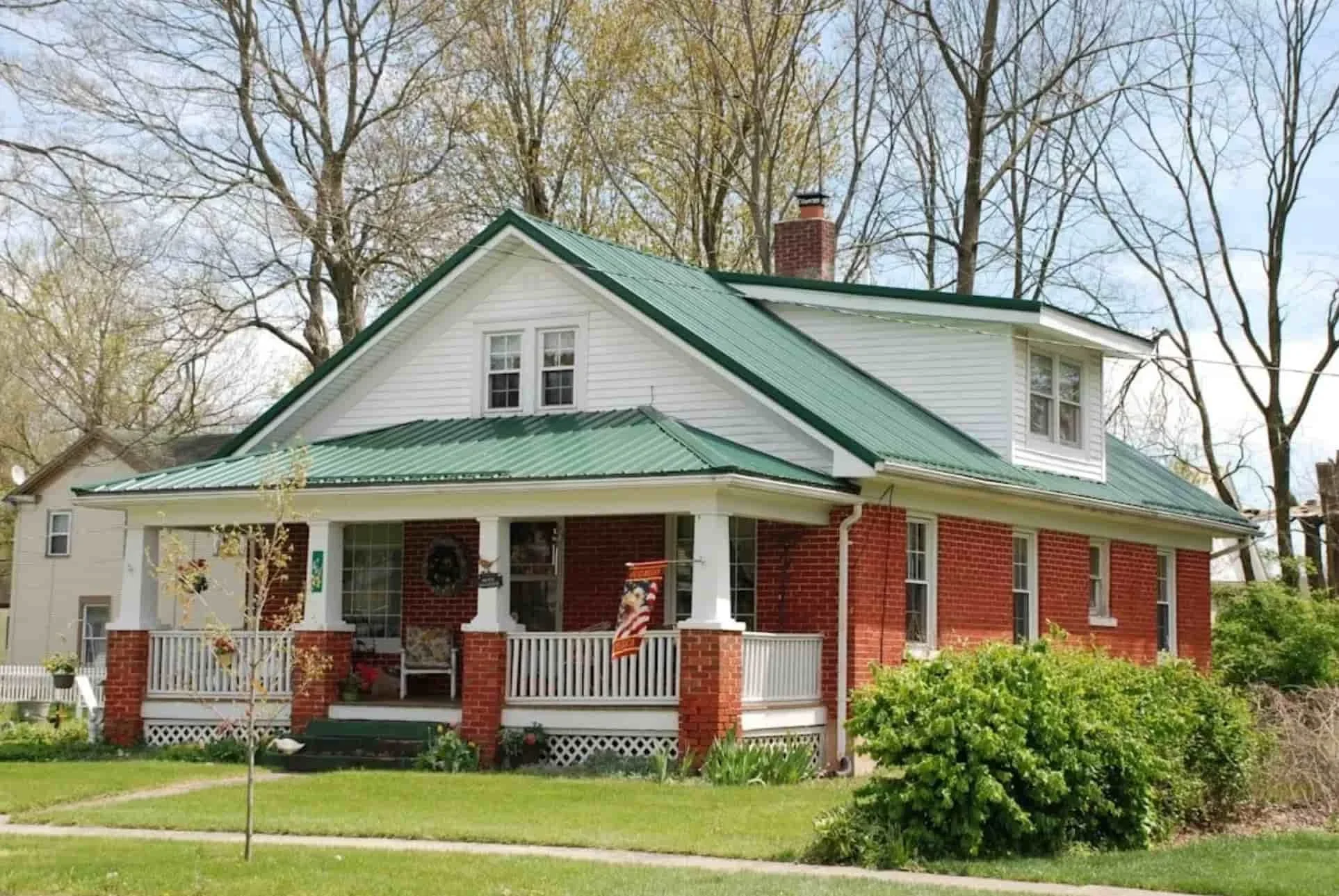
The Real Cost of Cleaning a Hoarder House in Chicago
The real cost of cleaning a hoarder house in Chicago ranges from about $3,000 to $15,000 depending on the level of clutter and hazards. Cleanup prices rise when crews handle biohazards, structural damage, or large multi-room units. Chicago costs run slightly higher because disposal fees in Cook County average $60–$85 per ton and some items require special waste handling. Severe cases may also need mold work or pest control, which adds extra labor hours.

Can You Sell a House With Code Violations in Chicago?
You can sell a house with code violations in Chicago, but you must disclose all city citations to buyers. The Chicago Department of Buildings records violations such as unsafe wiring, plumbing leaks, or unpermitted renovations. Selling as-is is legal, but these issues may reduce your sale price or slow the process. Cash buyers and investors in Chicago often purchase homes with violations since they handle repairs and compliance after closing. Always check the city’s online records for open violations before listing your property.
How to Sell a House With a Lien in Chicago
Over 8,000 property liens are filed in Cook County every year, and most Chicago homeowners don't discover them until they try to sell. A lien legally blocks your sale until paid—but you have options. Learn how to run a Cook County lien search, what tax liens, mechanic's liens, and judgment liens mean for your closing, and whether paying off the lien yourself or selling as-is to a cash buyer makes more financial sense.
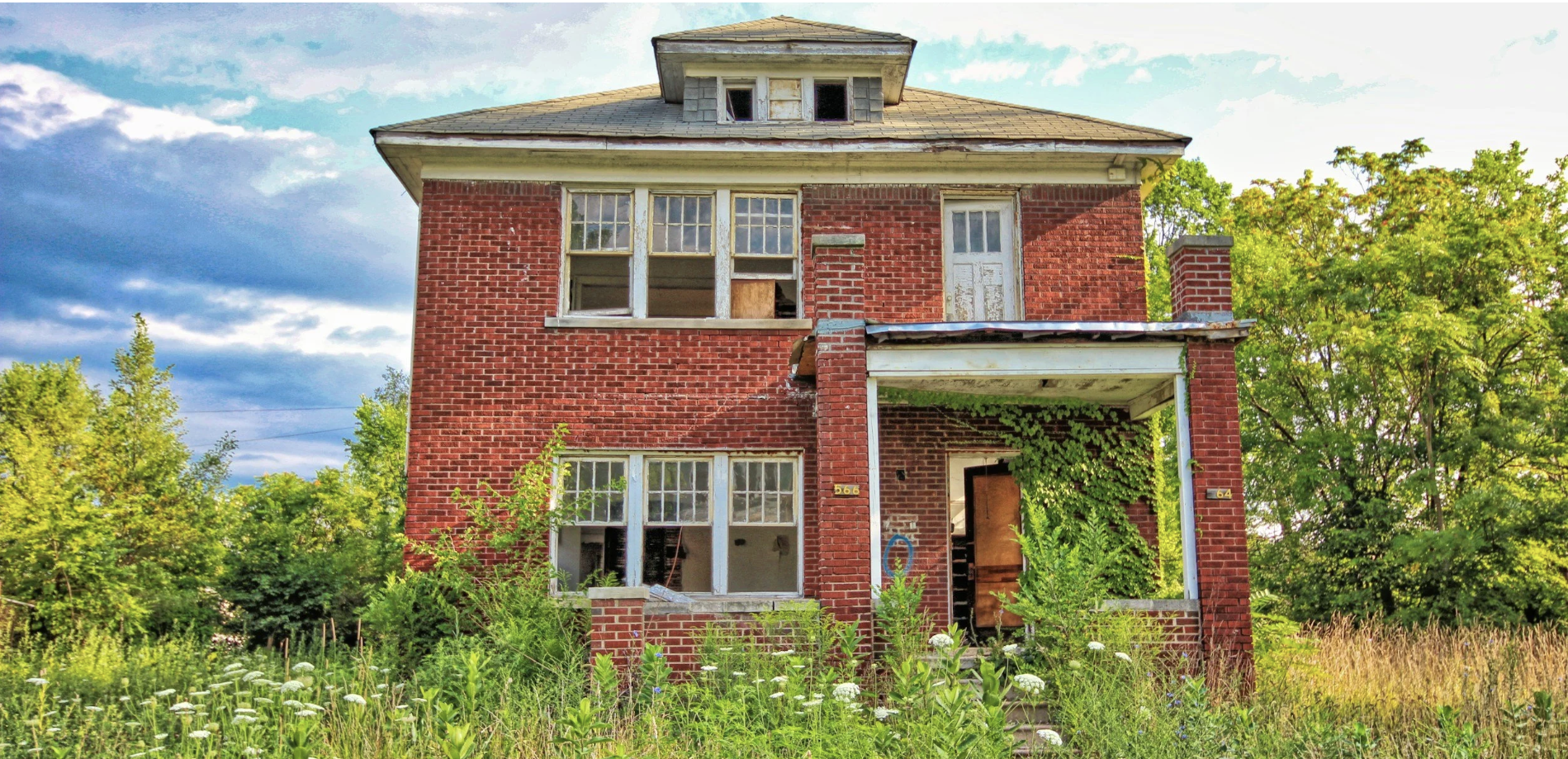
What to Do With an Unwanted Inherited House in Chicago?
Inheriting a home can feel like a mixed blessing. On the one hand, it’s often a final gift from someone you loved. On the other, it can instantly become a responsibility you didn’t ask for—and maybe don’t have the time, funds, or emotional energy to manage.
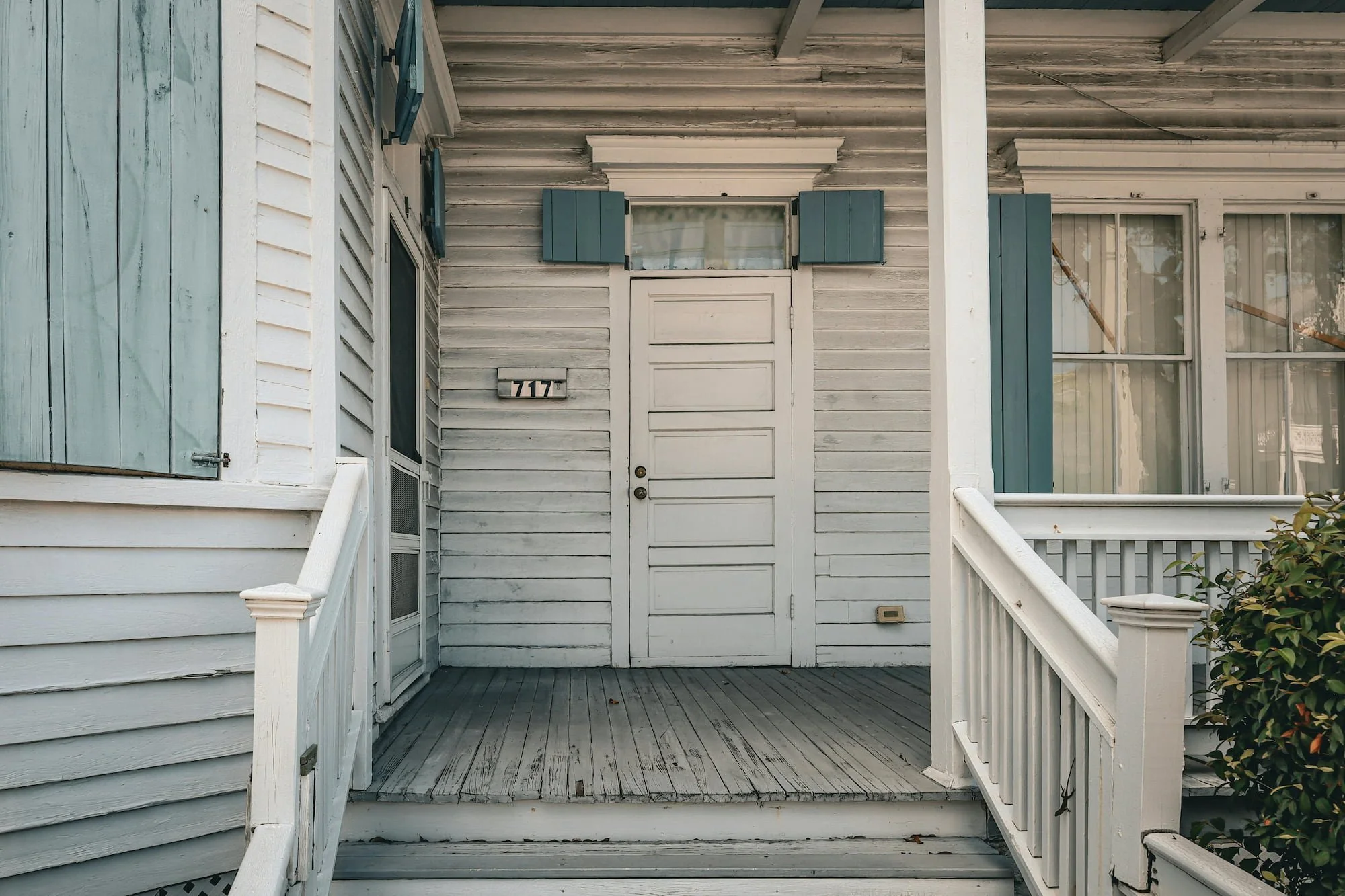
Are New Vacant Home Regulations Coming to Chicago?
Chicago is no stranger to debates about housing, affordability, and neighborhood health. But in 2026, one issue has gained unprecedented attention: vacant homes

Timing Your Move to Chicago
Relocating to Chicago is exciting—but coordinating a major move while selling your home can feel like a full-time job. The process involves timelines, financial decisions, logistics, and market strategy, all working together to create a smooth transition.

Winter Tax Tips for Property Owners: Key Savings Strategies
Winter is the season when property owners gain the clearest financial picture of the year. Nearly twelve months of expenses, rental income, repairs, upgrades, and paperwork are sitting in front of you, giving you a complete snapshot of your property’s performance.
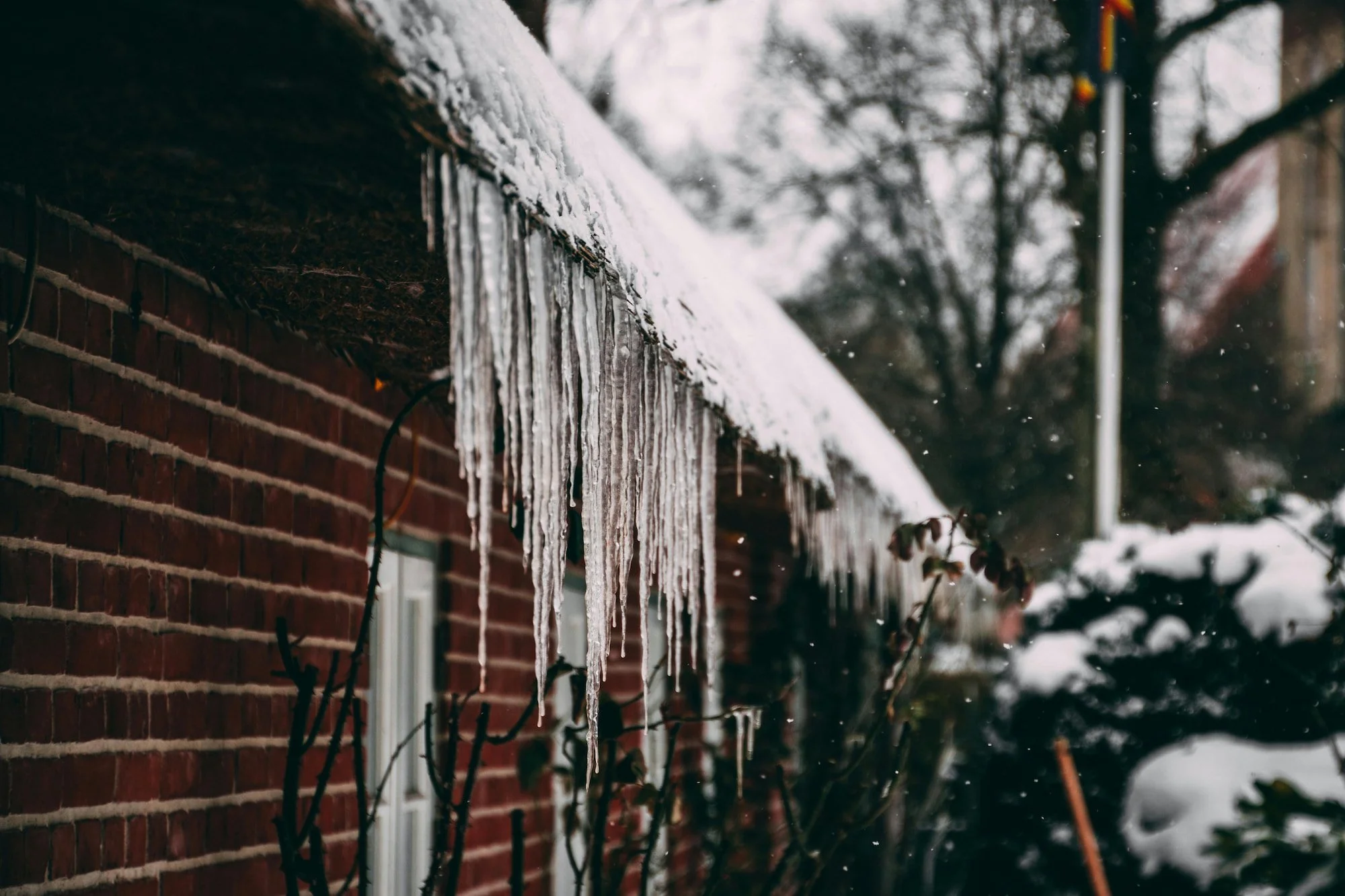
How Winter Weather Impacts Real Estate Value?
Winter has a way of revealing the truth about a property. While spring sunshine and freshly mulched flower beds can make any home look picture-perfect, cold weather has no interest in staging.
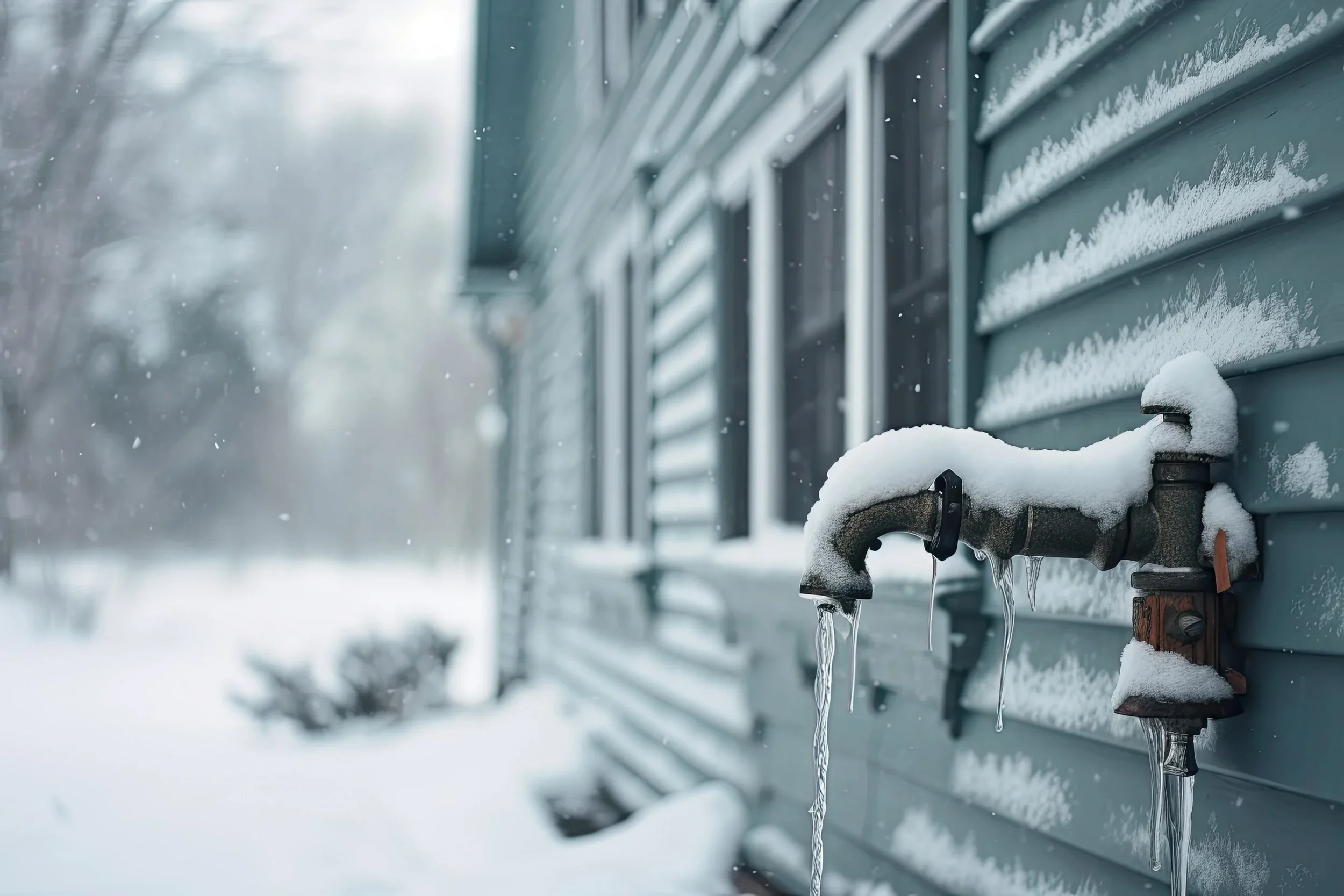
How Much Should It Cost to Winterize a House? 2026 Price Guide
This guide breaks down exactly what drives winterization costs, from outdoor faucet protection ($75–$150) and sprinkler blowouts ($75–$175) to pipe insulation ($100–$300) and HVAC service ($80–$200). You'll learn what's included in professional service, how DIY compares (typically $100–$300 in materials but 6–10 hours of labor), and how to evaluate quotes to ensure fair pricing.
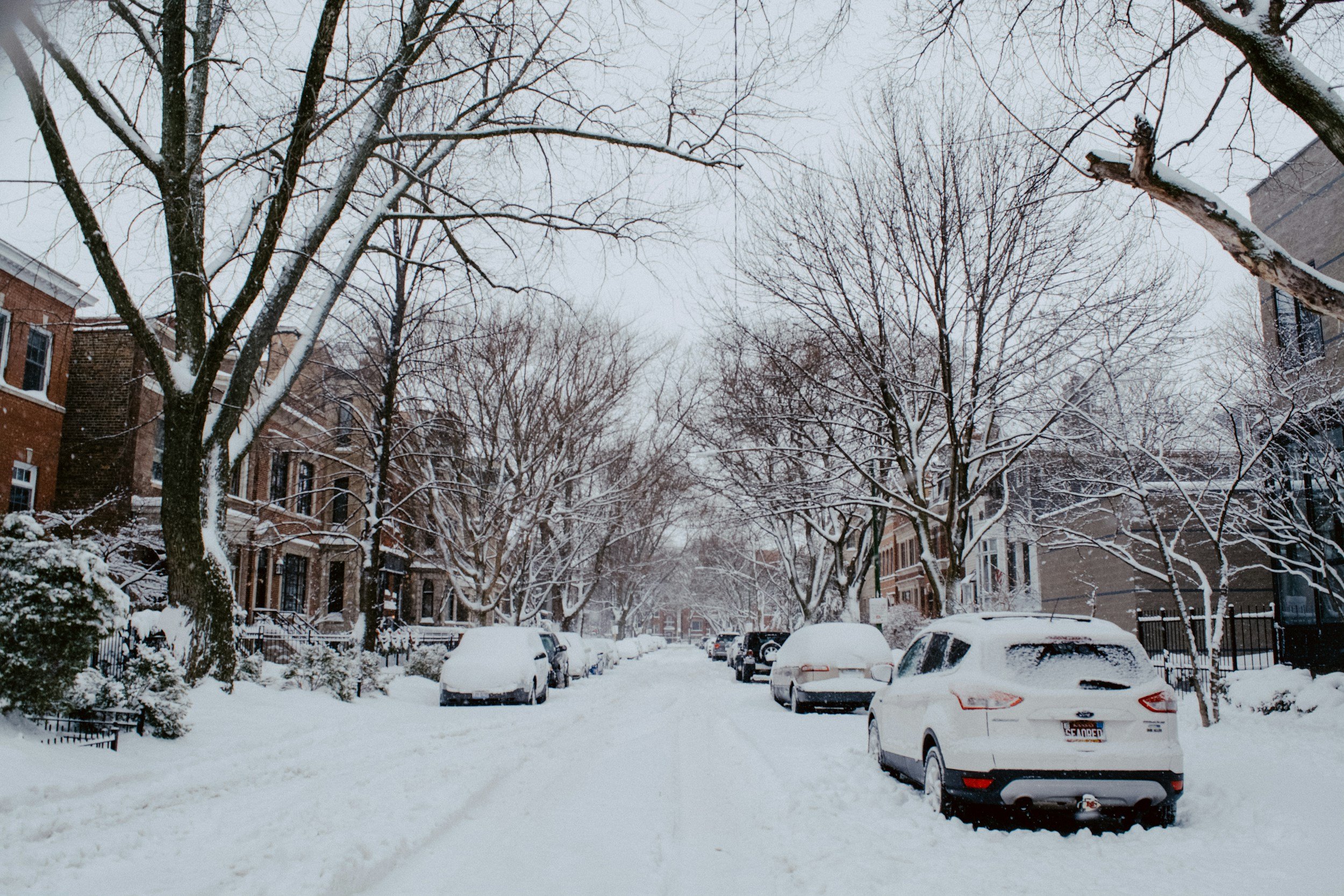
How Do You Winterize a House So Pipes Don't Freeze? Expert Prevention Guide
Frozen pipes cause over 250,000 insurance claims annually in the United States, with average repair costs exceeding $5,000 per incident. For Chicago homeowners, the risk increases significantly when temperatures drop below 20°F for extended periods.
This guide explains exactly how to winterize a house so pipes don't freeze, covering both long-term prevention measures and emergency actions when temperatures plummet.

How do I winterize my house? Checklist for Homeowners
You wake up to a 28°F morning in Chicago. You rush to turn on the kitchen faucet. Nothing happens. Your pipes froze overnight.
This nightmare is avoidable with the right winterization steps.
This complete guide breaks down exactly what needs to be done to winterize a house—from essential DIY tasks like draining outdoor faucets and insulating pipes, to knowing when you should call in a professional for HVAC service or sprinkler blowouts.

Guide to House Ownership During Probate
Navigating house ownership during probate can be a complex process. Probate is a legal procedure that occurs after someone passes away. It involves distributing the deceased's estate according to their will or state law.

When to Raise Rent In Chicago: Landlords Guide
Raising rent in Chicago is more than just updating a number on a lease; it’s a balancing act between staying profitable, keeping your property competitive, and respecting your tenants’ rights.
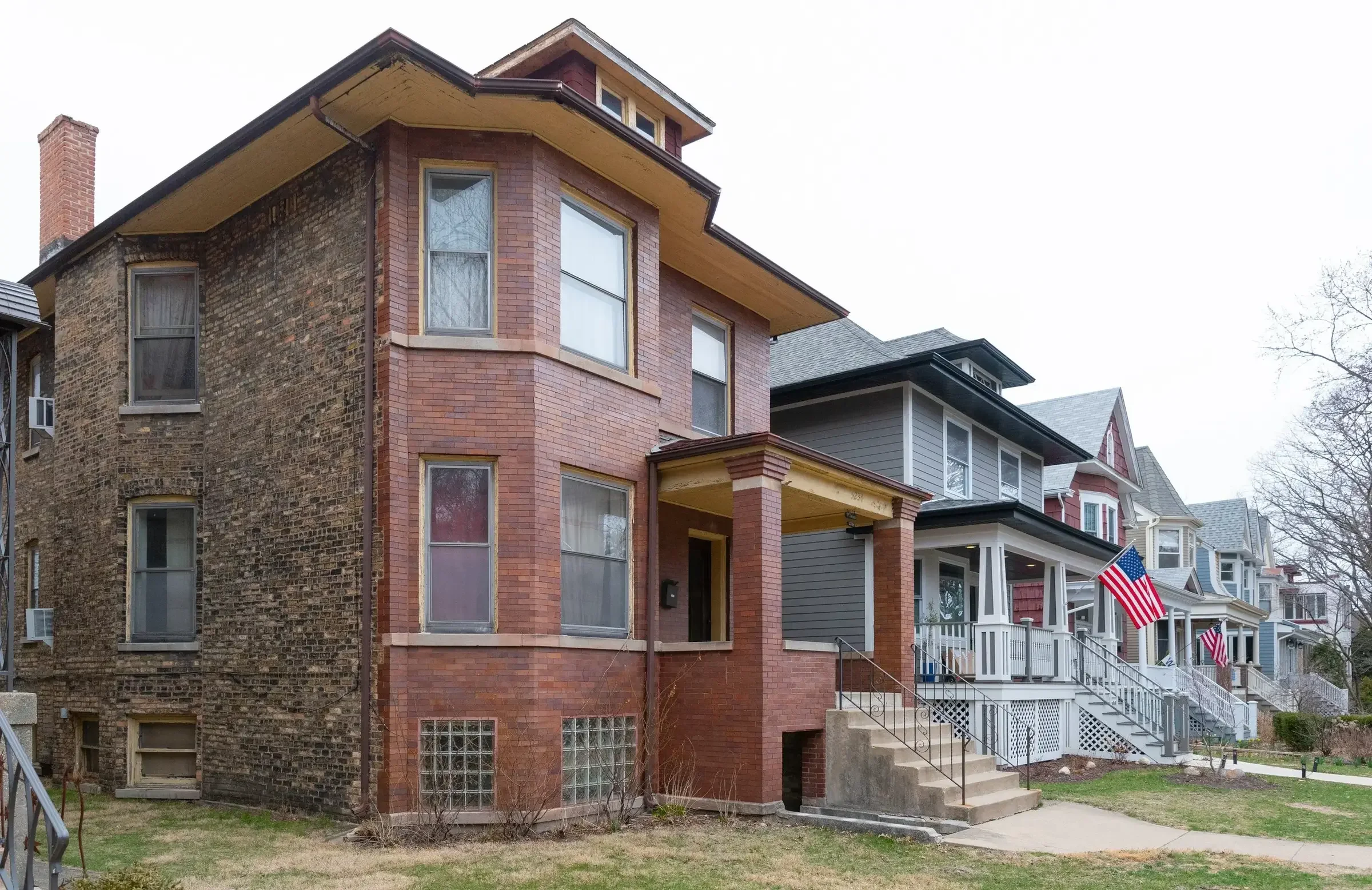
Chicago’s Highest Foreclosure Neighborhoods
Foreclosure rates in Chicago are rising sharply, and it’s not affecting every neighborhood equally. While the city as a whole is feeling the pressure from economic stress, inflation, and higher mortgage rates, certain communities are being hit much harder than others.

Top 7 Signs It’s Time to Downsize Your Home
Deciding to downsize your home can feel overwhelming, but it often leads to a simpler, more fulfilling life. Many homeowners live in houses that are bigger than they need.

Renting to Section 8 in Chicago: Prons, Cons, Myths
Renting to Section 8 tenants in Chicago offers unique opportunities and challenges for landlords. The Section 8 program, managed by the Chicago Housing Authority, provides rental assistance to low-income families.

Chicago Landlord Responsibilities: Key Legal Requirements
Owning rental property in Chicago can be rewarding, but it comes with serious responsibilities. Landlords must follow strict rules to protect both themselves and their tenants. Understanding these rules helps avoid costly legal trouble and builds trust with tenants.