

Foreclosure Service in Chicago
Behind on mortgage payments? Get foreclosure prevention help and explore your options before auction.
We help Chicago homeowners stop foreclosure, understand their options, and take action — whether that means keeping the home or selling before auction.
Call (312) 975-5557
Free consultation • 24–48 hour response • Confidential
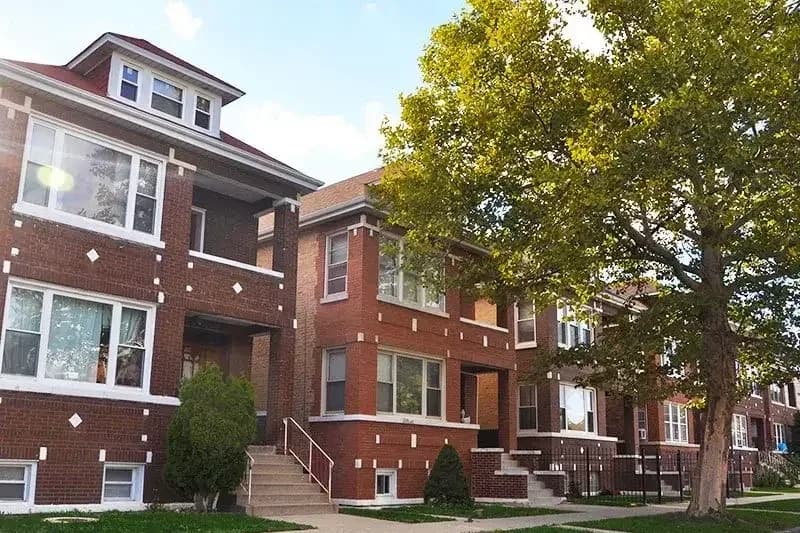
Foreclosure Help in Chicago
Know Your Options Before It’s Too Late
If you’re behind on mortgage payments, the most important step is understanding what options you still have.
Foreclosure is a process — not an immediate event — and in Chicago, that means you have time to act.
We help homeowners:
- understand foreclosure timelines
- explore ways to stop foreclosure
- evaluate whether keeping or selling makes sense
- take action before auction
Our role is to give you clear, honest guidance first — not pressure you into one solution.
Foreclosure Prevention Services in Chicago
We help homeowners navigate foreclosure through multiple paths:
✓ Foreclosure Prevention Help
Understand your options early and take action before legal deadlines limit your choices.
✓ Behind on Mortgage Help
If you’ve missed payments, we help you understand what happens next and what to do now.
✓ Pre-Foreclosure House Buying
If keeping the home isn’t realistic, selling before auction can protect your credit and give you control.
✓ Property with Liens Purchase
We work with properties that have tax liens, judgment liens, or other complications.
Chicago Foreclosure Timeline (What to Expect)
Foreclosure in Cook County typically takes 7–12 months. That timeline gives you a window to act.
After 1 missed payment (30 days late)
Your lender starts calling and sends reminder letters. Late fees added to your account. No legal action yet.
After 2-3 missed payments (60-90 days late)
Lender reports delinquency to credit bureaus. Your credit score drops 100+ points. Loss mitigation department gets involved.
After 4 missed payments (120 days late)
Lender can file foreclosure lawsuit in Cook County court. You receive a breach notice 30 days before filing.
After foreclosure filing (4-7 months)
You have 30 days to respond to the lawsuit. Court schedules hearings. Timeline depends on court backlog and your response.
Foreclosure judgment and auction (7-12 months total)
If lender wins, court orders sheriff’s sale. Your house is auctioned. You have 30 days after sale before eviction.
The earlier you act, the more options you have. Get Chicago foreclosure help.
Can You Refinance If You’re Behind on Payments?
In most cases, refinancing or home equity loans are not available once you’re behind on payments.
Lenders typically require:
- on-time payment history
- stable income
- acceptable credit score
If you’re already 60–90 days late, traditional financing options are usually off the table.
That’s why many Chicago homeowners shift toward:
- loan modification
- forbearance
- or selling before foreclosure progresses
Your Options When Facing Foreclosure
If you’re behind on payments, you typically have several paths:
- Loan modification
- Forbearance
- Repayment plans
- Short sale
- Selling before foreclosure
Each option depends on your income, equity, and timeline
For many homeowners, selling before foreclosure is the fastest and most predictable way to avoid long-term financial damage.
Why Selling Before Foreclosure Protects You Financially
Selling before foreclosure often leads to a better outcome than letting the process finish.
- Credit impact: Selling typically results in a smaller drop compared to foreclosure
- Avoid deficiency judgments: Foreclosure sales can leave you owing money if the property sells below your loan balance
- Preserve future housing options: Renting or buying again is much easier after a sale vs foreclosure
- Keep any remaining equity: If your property has value, you receive the difference after payoff
Foreclosure removes control — selling gives it back.
Pre-Foreclosure House Buying in Chicago
If you decide selling is the best option, selling before auction gives you control over the outcome.
We help homeowners:
- get a clear property value
- coordinate with lenders
- close before auction deadlines
- avoid foreclosure on their record
You are not required to sell — we simply help you understand if it makes sense.
Can You Still Sell After Foreclosure Starts? Yes.
Many Chicago homeowners think once foreclosure is filed, it’s too late to sell.
That’s not true.
You can sell your house at any point before the sheriff’s sale — even after:
- foreclosure lawsuit is filed
- lis pendens is recorded
- court proceedings have started
We regularly work with lenders and title companies to coordinate payoffs and close before auction deadlines.
The key is acting before the sale date.
Selling a Property with Liens in Chicago
Liens don’t prevent you from selling — but they do complicate the process.
We help evaluate properties with:
- property tax liens
- contractor liens
- judgment liens
- HOA liens
- IRS or state tax liens
If selling is the right move, liens can often be resolved through the closing process.
How we handle properties with liens:
✓ We buy despite active liens
You don’t need to pay them off before selling—we handle everything at closing.
✓ We negotiate with lienholders
Often we can settle for less than the full amount, saving you money.
✓ We clear the title
Our title company coordinates all lien releases so you walk away clean.
✓ You get any remaining equity
After paying off your mortgage and all liens, any leftover proceeds go to you.
Example:
If you owe $150,000 on your mortgage + $30,000 in liens and your house is worth $200,000, here’s what happens:
- We offer $185,000 (as-is value)
- Closing: $150,000 to mortgage, $30,000 to liens, $5,000 to you
- You walk away with $5,000 and no debt


When Keeping the House May Not Be the Best Option
Foreclosure prevention does not always mean keeping the home.
In some situations, selling is the smarter financial decision — especially if:
- the payment is no longer affordable
- income has changed permanently
- the property needs major repairs
- the loan balance exceeds property value
Our goal is to help you make the best decision — not force one.

Why Chicago Homeowners Trust Our Foreclosure Help
- Local Chicago-based team
- Experience with foreclosure timelines and lender processes
- Clear explanation of all available options
- No pressure to sell
- Work with attorneys and title companies
Woman, Veteran & Latine-Owned | Serving Chicago homeowners since 2021
Why Lenders Often Work With Pre-Foreclosure Sales
Banks often prefer a sale over foreclosure.
That’s because foreclosure costs lenders:
- legal fees
- property maintenance
- resale risk after auction
In many cases, lenders will cooperate with:
- payoff coordination
- short sale approvals
- timeline extensions
This makes pre-foreclosure sales a realistic option — even when the situation feels urgent.
Get Help Before Foreclosure Moves Forward
If you’re behind on mortgage payments, the worst thing you can do is wait. Let’s walk through your options and next steps.
Other related situations: pre-foreclosure house buying, behind on mortgage help, property tax delinquency help, probate property purchase, vacant house purchase.
Questions, Answered
What homeowners ask us most.
Yes. You can stop foreclosure anytime before the sheriff’s sale. Options include loan modification, repayment plans, bankruptcy, or selling the property. Acting early gives you more flexibility and better outcomes.
Foreclosure typically takes 7–12 months from the first missed payment to the sheriff’s sale. Court timelines and lender delays can extend this, giving homeowners time to explore alternatives.
After missed payments, lenders begin collections and report delinquency. Around 90–120 days, they may file a foreclosure lawsuit. Acting early helps protect your credit and increases your available options.
Yes. You can sell your house anytime before the auction. Selling before foreclosure can stop the process, pay off your mortgage, and reduce long-term credit damage.
Yes. A completed foreclosure can lower your credit score by 200–300 points and remain for 7 years. Selling before foreclosure usually results in a smaller impact.
Selling your house before the auction is often the fastest solution. Cash sales can close in as little as 7–14 days, depending on the situation.
Yes. Properties with liens can still be sold. Liens are typically paid off during closing, allowing the sale to proceed and clearing the title.
A pre-foreclosure sale happens before the auction. It allows you to sell your home, pay off your mortgage, and avoid foreclosure on your record.
Yes. In Illinois, you can usually stay in your home until after the sheriff’s sale and eviction process, which may take several months.
Possibly. If the property sells for less than your loan balance, lenders may pursue a deficiency judgment. Selling before foreclosure can help avoid this.
It depends on your finances. If your income has stabilized, you may qualify for loan modification. If not, selling may provide a simpler financial outcome.
Yes. Initial consultations are typically free and confidential. You can review your options without any obligation to move forward.
Get your fair cash offer today.
It takes five minutes to start and costs nothing to hear the number, and when you call, text, or send the form, Karen's team answers seven days a week.