
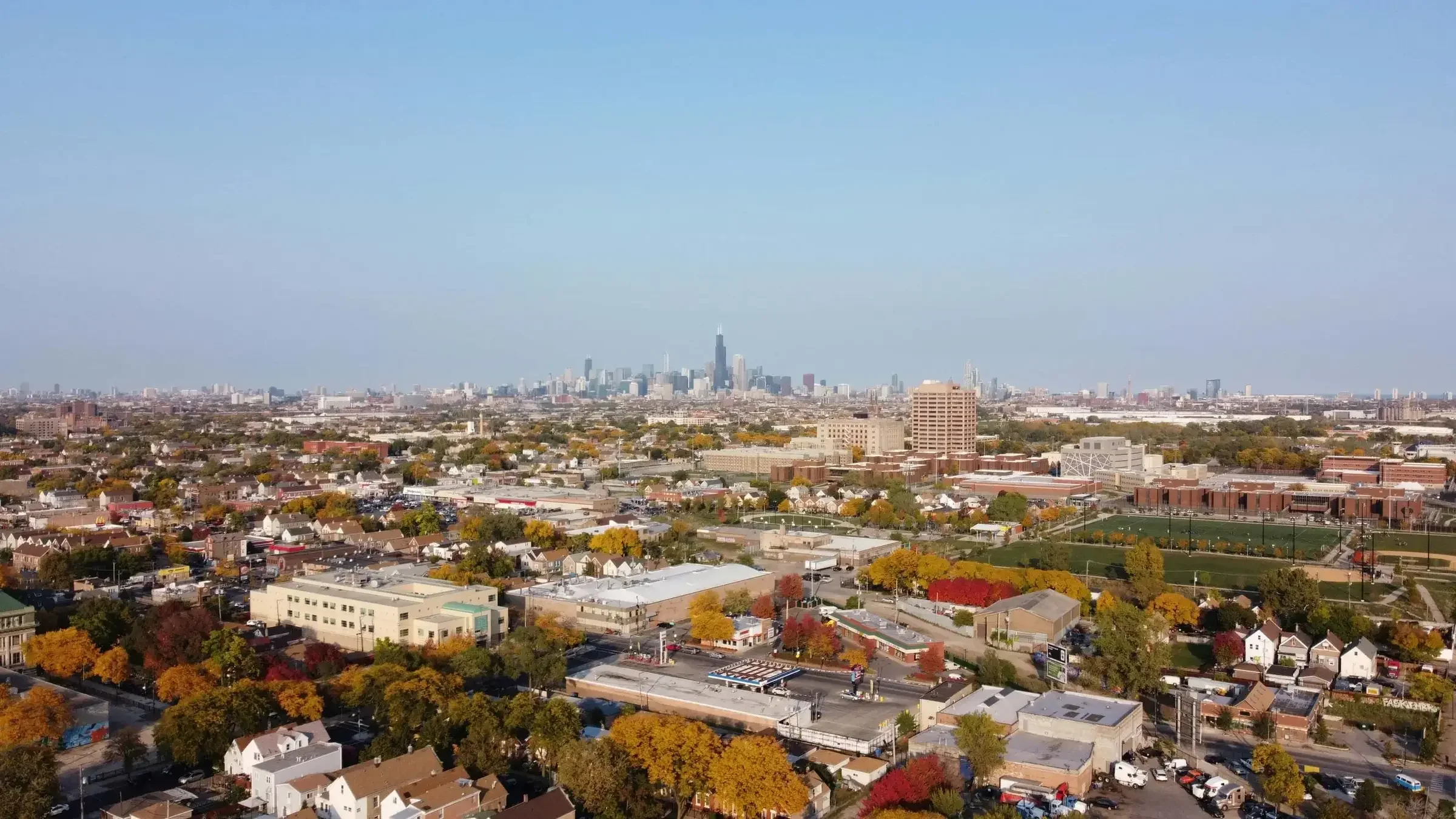
Code Violation Property Buying in Chicago
We buy houses with code violations in Chicago—Department of Buildings citations, unpermitted work, failed inspections. Get your offer in 48-72 hours, close in 10-21 days. Call (312) 975-5557 now.
No compliance work required, no hearing attendance, no costly repairs. We handle all violations after closing and stop daily fines immediately across Cook County.
Chicago Code Violation Buyers Purchase Properties with Open Department of Buildings Cases
Homeowners throughout Chicago and suburbs like Cicero, Oak Park, and Berwyn face citations for porch violations, electrical issues, or structural problems they cannot afford to fix. Traditional buyers refuse properties with active Department of Buildings cases. Lenders won't approve mortgages on homes with open violations. Cash buyers eliminate these barriers by purchasing properties despite active citations, missed hearing dates, and failed inspections.
Chicago's Department of Buildings issues over 50,000 violations annually across building, electrical, plumbing, and zoning categories. Compliance costs range from $5,000 for minor electrical fixes to $50,000 for structural remediation. Many property owners cannot afford these expenses while also managing legal fees and administrative hearing requirements.
Cash buyers understand the citation system and evaluate properties knowing violations exist. You avoid remediation costs entirely. Buyers handle all compliance work after closing, removing the financial burden and legal stress from overwhelmed property owners across Cook County.

Selling with Violations Eliminates Expensive Compliance Work and Hearing Fines
Property owners across the city and suburbs receive escalating fines of $200–$1,000 daily for unresolved violations. Administrative hearing notices arrive demanding property owner appearance. Missing hearings triggers additional penalties. Compliance work requires licensed contractors, multiple inspections, and weeks of project coordination. Selling transfers all these responsibilities to buyers immediately.
Daily fines accumulate quickly. A $500 daily fine reaches $15,000 in one month. Administrative hearing penalties add $10,000 or more in legal costs. Chicago's hearing process can result in demolition orders and property liens that grow larger every day. Cash sales stop fine accumulation the moment you close.
Properties throughout Cook County face these enforcement pressures. Buyers accept responsibility for violations, accumulated fines, and ongoing compliance requirements. You walk away at closing without attending another hearing or paying another fine. The enforcement case transfers entirely to the new owner.
Properties with Unpermitted Additions and Renovations Sell As-Is to Cash Buyers
Homeowners discover unpermitted work when selling—basement conversions, deck additions, bathroom remodels, or garage conversions completed by previous owners without proper permits. Traditional buyers demand retroactive permits before closing. This process requires architectural drawings, engineer certifications, contractor affidavits, and multiple city inspections costing $8,000–$25,000.
Chicago requires permits for structural changes, electrical work exceeding $1,000, and all plumbing alterations. Many renovations completed before 2000 lack proper documentation. Current owners inherit compliance problems they didn't create and cannot afford to resolve. Cash buyers purchase these properties without requiring permit remediation.
This situation affects properties throughout the city and suburbs like Berwyn, Maywood, and Bellwood. Buyers accept unpermitted work as-is and handle permit issues after closing. You avoid the cost, time, and complexity of retroactive permitting while still selling your property quickly.
Code Violation Sales Stop Accumulating Daily Fines and Legal Proceedings
Properties with vacant building violations, dangerous structure citations, or demolition orders face the most severe enforcement. Daily fines reach $500–$1,000. City attorneys file legal actions in Cook County Circuit Court. Injunctions and court orders threaten property seizure. These situations demand immediate action to stop escalating legal consequences.
Closing transfers enforcement responsibility to new owners. Fine accumulation stops under your name the day of closing. City liens stop growing. Legal proceedings against you as property owner end. Cash buyers close before cases reach final judgment or enforcement orders.
This urgent relief matters for property owners across Cook County facing critical enforcement timelines. Traditional sales take 60–90 days—too long when daily fines accumulate and court dates approach. Cash buyers close in 10–21 days, providing the speed necessary to stop legal escalation.
Structural and Safety Violations Don't Prevent Fast Cash Sales in Chicago
Foundation problems, roof failures, fire safety deficiencies, and collapsing porches generate the most serious building code violations. These dangerous condition citations require immediate structural repairs, engineering assessments, and life-safety system upgrades costing $20,000–$75,000. Property owners cannot afford these repairs while managing daily fines and hearing requirements.
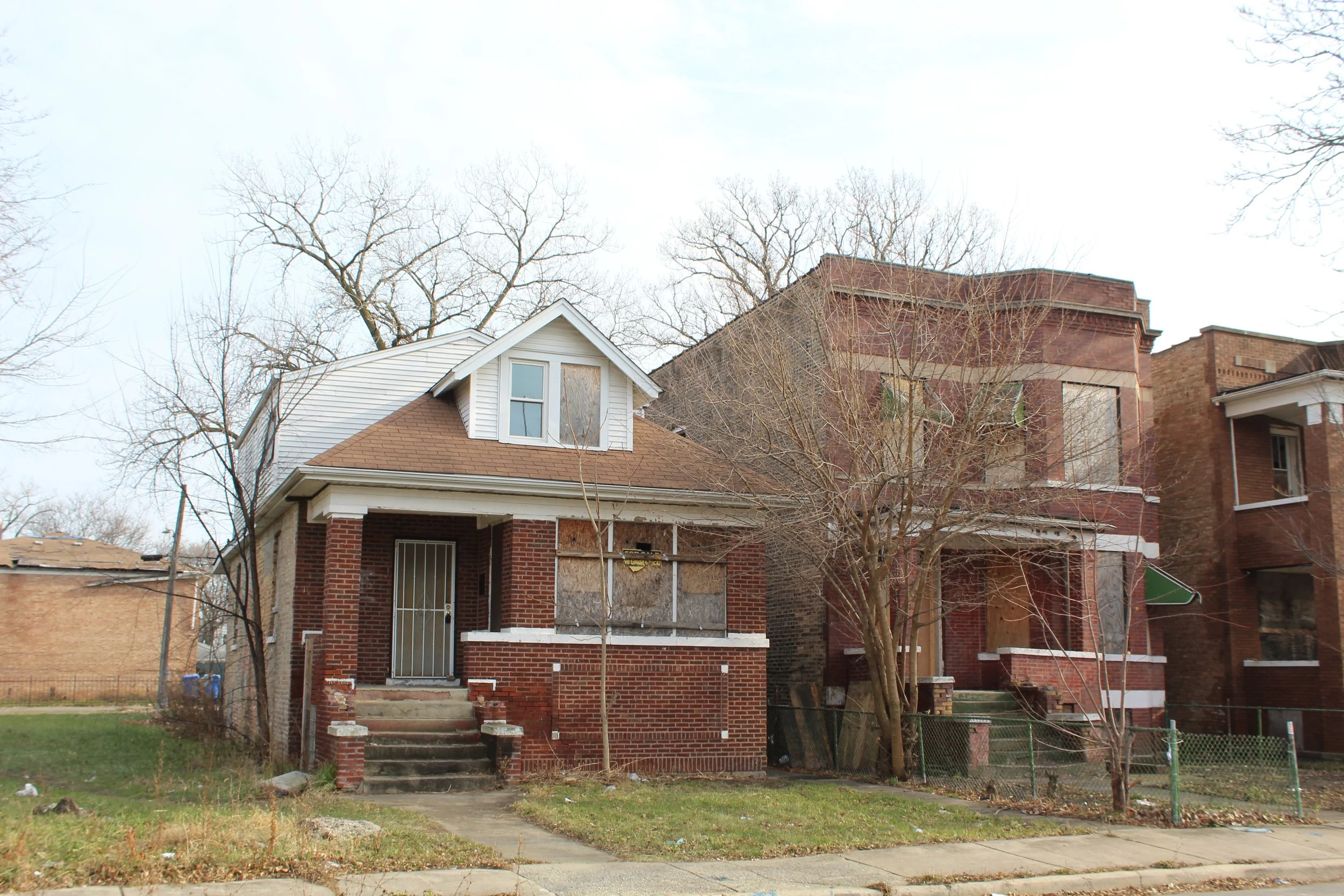
Chicago's aging brick construction from 1900–1950 generates common violations for deteriorating masonry, unsafe stairs, and compromised structural elements. These issues affect properties throughout established neighborhoods in the city and surrounding suburbs. Cash buyers accept dangerous condition violations without requiring any repairs before closing.
Traditional buyers refuse properties with safety violations. Their insurance companies won't cover homes with active fire safety or structural citations. Cash buyers purchase these properties specifically to handle major compliance work after closing. You sell without investing anything in structural fixes or safety upgrades.
Buyers Handle Title Issues Caused by Unresolved Building Code Citations
Accumulated violation fines exceeding $2,500 trigger city liens filed by Chicago Corporation Counsel in Cook County recorder's office. These liens attach to property title and prevent traditional sales. Title companies refuse to close transactions with unresolved municipal liens. Cash buyers solve this problem by negotiating lien payoffs from sale proceeds or accepting properties with liens in place.
Sellers throughout the city and suburbs like Brookfield, Dolton, and Calumet City discover violation liens during title searches. These liens must be addressed before ownership transfers. Cash buyers work with title companies to clear liens at closing without requiring sellers to pay fines upfront from personal funds.
This process happens behind the scenes during closing coordination. Buyers deduct lien amounts from sale proceeds with seller approval or pay liens directly to clear title. You close without writing checks for accumulated fines or managing lien release paperwork with city departments.
Ready to Sell Your Property with Code Violations?
Stop daily fines. End legal proceedings. Walk away clean.
Call: (312) 975-5557 Available 7 days a week, 8 AM–9 PM
Get My Cash Offer Button Below Fill out our form—receive offer within 24 hours
Email: connect@delloinvestments.com Send us your situation—confidential and pressure-free

FAQs
Can I legally sell my Chicago house with open building code violations?
Yes, Illinois law allows property sales with open violations as long as sellers disclose them to buyers on required disclosure forms.
Will code violations prevent me from selling my house in Chicago?
Traditional buyers avoid violations, but cash buyers purchase properties with active Department of Buildings cases and handle compliance after closing.
Do I have to pay violation fines before selling my Chicago property?
No, cash buyers typically negotiate fine payoffs from sale proceeds or accept responsibility for violations and accumulated fines at closing.
How fast can I sell a house with code violations in Chicago?
Most property owners receive cash offers in 48–72 hours and close in 10–21 days without resolving violations first.
What types of code violations do Chicago cash buyers accept?
Buyers purchase properties with building, electrical, plumbing, zoning, fire safety, and vacant building violations—including unpermitted work and dangerous conditions.
Will I still owe fines after selling my house with violations in Chicago?
No, fines transfer to the new owner at closing—selling stops accumulation under your ownership and ends your legal responsibility.