How to Sell a Fire-Damaged House in Chicago?
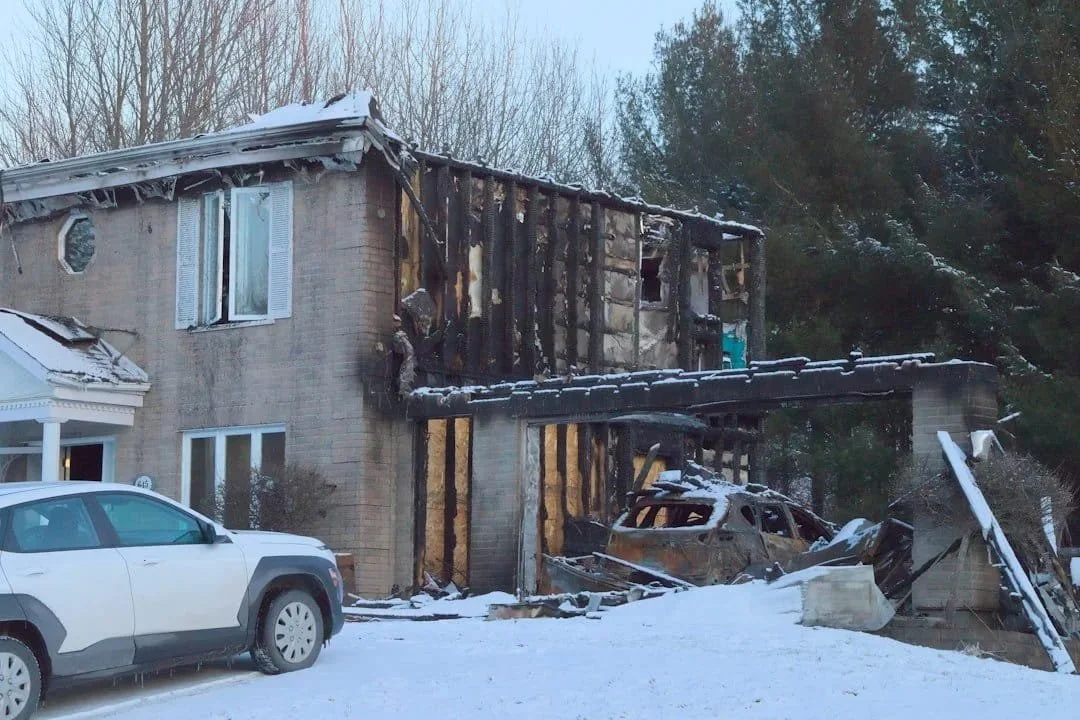
You’re standing in front of your Chicago home after a fire, wondering what comes next. The smell of smoke lingers, and repair costs feel heavy. Many owners decide to sell a fire-damaged house in Chicago instead of rebuilding. In Cook County, that choice often saves months of work.
We’ll help you figure out the best path for your situation. You’ll learn how insurance checks, adjusters, and repair estimates shape your sale price. We explain how investors view a burned house and why selling as-is can work. You’ll also see how city inspections and permits affect timing.
From disclosures to closing day, we walk through each step in plain language. You’ll know what buyers expect and how to avoid delays. By the end, you’ll have a clear plan to sell with confidence.
Start With Safety and Access After a Fire
After a fire, safety comes first. A burned home can have hidden risks. Some risks are not easy to see.
Watch for these common problems:
Loose floors and weak stairs
Sagging ceilings
Exposed wires
Gas line damage
Broken windows and open doors
If the home is not safe, do not walk in it alone. Bring a licensed pro. A structural engineer can also help. This can cost $400 to $900 in Chicago. The price depends on the visit time.
If the home is open, secure it fast. Board-up work often costs $300 to $1,200. The price depends on the window count and door work.
Safety also protects your sale. Buyers will ask if the home is secure. They may walk away if it is open.
Know Your Damage Level First: Partial Loss vs Total Loss
Buyers will ask one big question. “How bad is it?” Your answer should be clear. That starts with the main damage type.
A total loss means repairs do not make sense. This is often true when the structure is not stable. It can also be true when repair costs beat home value.
Total loss signs include:
Major roof failure
Heavy charring in the framing
Long burn time through many rooms
Severe water soak in walls and floors
With total loss, many buyers value the lot more than the house. In Chicago, that can turn into a land sale plan.
A partial loss means some parts can be saved. You may have one bad room. You may have one bad floor. You may still need major work.
Partial loss often includes:
New drywall and insulation
Electrical work
Plumbing repair
Roof repair
Kitchen rebuild
Partial loss is where homeowners pause the most. You might be able to repair and sell. You might also prefer an as-is sale.
Smoke Damage
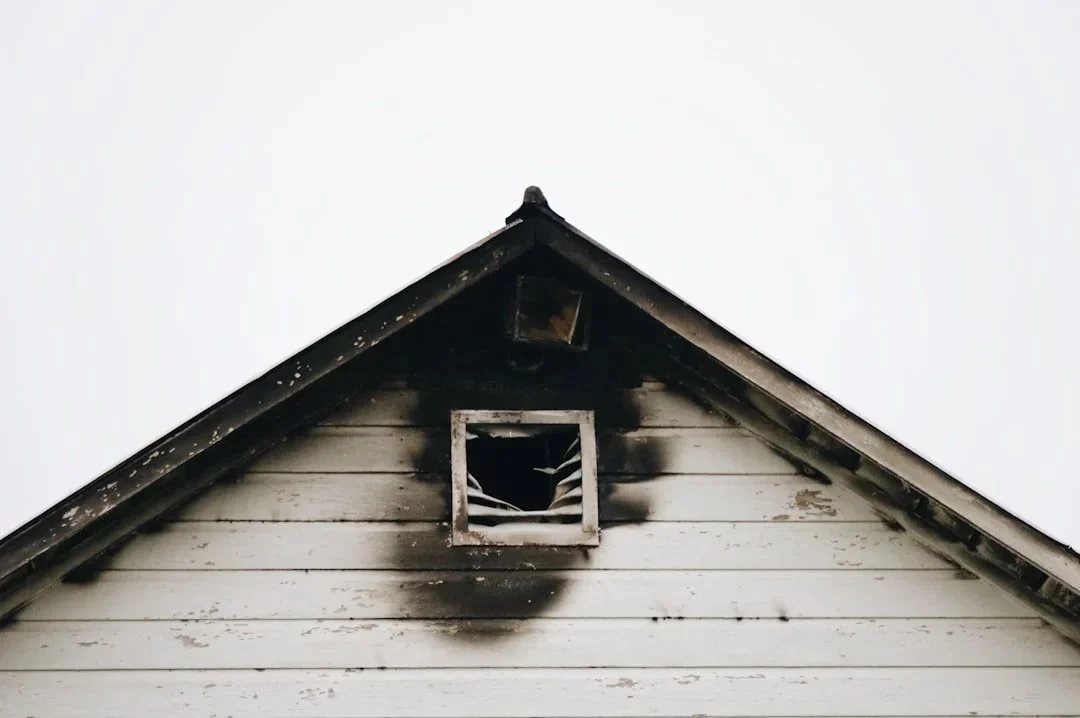
Smoke damage can be light or severe. Smoke can move through vents and wall gaps. It can leave soot and smell behind. It can also harm surfaces you cannot see.
Smoke damage often calls for professional cleaning. It may also need sealing paint. Duct cleaning may be needed, too.
In Chicago, smoke-only cleanup often runs $2,000 to $10,000. The range depends on home size and soot depth.
Document Everything Like a File for a Fire-Damaged Property
Photos and notes help in two ways. They help with insurance. They also help you sell.
Use your phone and take:
Wide photos of every room
Close-up photos of burn points
Photos of ceilings and floors
Photos of the electrical panel if safe
Photos of any water lines and stains
Also save:
Board-up receipts
Any cleanup invoices
Contractor bids
Emails with your insurer
Notes from calls
Write down dates, too. Use a simple note app.
A clean record reduces stress later. It also helps you answer buyer questions fast.
Insurance Claim Fire Damage Steps That Help You Later
If you have coverage, file your claim early. The insurance claim fire damage process can affect what you sell and when.
Ask for a claim number. Ask for a contact name. Ask what comes next.
Most carriers send an insurance adjuster to inspect the home. That visit can shape your payout.
You want to find your main limits. Focus on these:
Dwelling coverage limit
Deductible
Personal property coverage
Loss of use coverage
You may also see two value types.
Replacement cost often pays more. Actual cash value often pays less. Actual cash value accounts for age.
If your policy pays in phases, that matters. Some policies pay more after repairs begin.
Prepare for the Adjuster Visit With the Right Information
Try to be there if it is safe. Walk the home with the adjuster. Point out damage you see.
Share your photos if you have them. Show smoke staining in closets. Show soot in vents. Mention any odor pockets.
If you disagree with the adjuster's number, you can get your own bids. You can also ask for a review.
Some homeowners hire a public adjuster. Many charge 5% to 10% of the payout. This can help in larger losses.
Fire Restoration Cost in Chicago: What Impacts the Final Number
Before you choose repair or sell, you need real numbers. Guessing can trap you.
In Chicago, fire restoration cost depends on five main things:
Home size
Damage depth
How long did the fire burn
Water and mold risk
Code upgrades needed
Here are common ranges homeowners see:
Light smoke cleanup: $2,000 to $10,000
One-room repair: $15,000 to $35,000
Mid-level repair: $40,000 to $80,000
Heavy structural fire damage repair: $90,000 to $150,000+
Those are broad ranges. Your home may sit outside them. A 2-flat can run higher. A small bungalow can run lower.
Also, plan for soft costs. Permits cost money. Dump fees cost money. Design work can cost money.
Decide Whether to Sell a House After Fire or Repair First
You have two main paths. Both can work. The best choice matches your life.
Path 1: Repair Structural Fire Damage, Then Sell
This path can bring a higher price. It can also take longer.
Repair then sell may fit if:
Damage is mostly smoke or in one area
Your insurer payout is strong
You can float costs during work
You can wait months to sell
The hard part is time. Contractors can get delayed. Permits can slow the start. Hidden damage can change the budget.
Path 2: Sell a Fire-Damaged Home As-Is
Many owners sell without repairs. This can save time and stress. It is common in Chicago.
This path may fit if:
Repairs cost too much
You need a faster sale
You do not want a long project
This is where buyers often ask for an as-is sale. You may choose to sell a fire-damaged home as-is.
If you want to sell a house after fire damage with less work, this path can help.
Who Buys a Burned House in Chicago

Not every buyer will buy a fire home. Most retail buyers need a mortgage. Most lenders want a safe home. So your buyer pool changes.
Cash Investors
Cash investors often buy a fire-damaged property. They plan to repair and resell. They may also rent it later.
They care about:
Repair scope
After-repair value
Time and risk
Layout and comps
They will ask for access. They will also ask for photos and bids.
Builders and teardown buyers
If the home is close to a total loss, builders may focus on land value. They may plan to tear down and rebuild.
This is common in areas with active building. It can also happen in slower areas if the lot is strong.
Local rehab teams
Some rehab teams work one or two zip codes. They know the blocks well. They may move fast if the numbers work.
In places like Austin, South Shore, or Englewood, local buyers often know what sells on each street.
How Offers Are Built When You Sell a Fire-Damaged House in Chicago
Pricing a burned house is not like pricing a clean home. You cannot use normal comps alone. You need a repair lens.
Many investors use a simple offer model:
After-repair value
Minus repair cost
Minus holding costs
Minus profit margin
Holding costs include taxes, insurance, and utilities. In Chicago, property taxes can be a big line item.
Your job is to price with reality. If you price too high, you may get no calls. If you price too low, you may lose value.
A good approach is to gather:
Two repair bids
Three nearby rehab sale comps
One land or teardown comp if relevant
Then set a range, not a fantasy number.
Marketing Without Hiding the Truth About Smoke Damage
A fire sale needs honest facts. It also needs a clear pitch. Buyers do not want surprises.
If you list the home, your listing should state:
A fire event occurred
Current condition
Repair needs
As-is terms, if that is your choice
Photos should show the real condition. Clean photos help, even in rough homes. Take photos in daylight when possible.
Also, highlight what still has value:
Lot size
Garage condition is intact
Basement height and dryness
The brick exterior is solid
Location benefits
Location matters a lot in Chicago. A home near the Blue Line may draw more rehab interest. A home near a strong school can also help.
Fire Remediation Explained, Including Smoke Odor Removal
Chicago has local steps that buyers care about. Some steps can also affect safety and city action.
Chicago Fire Department clearance
Some buyers ask about the Chicago Fire Department response and site status. They may ask if the building was tagged as unsafe.
If you have any related paperwork, keep it. If you do not, you can still sell. Just be clear about what you know.
Permits and inspection records
If you started repairs, permits matter. If work was done without permits, that can lower offers.
If you did not start work, say that. Many buyers prefer a clean slate.
Zoning and best use
Zoning can affect teardown value. It can also affect additions. Builders often check zoning early.
If you know your zoning class, keep it on hand. If you do not, your agent or attorney can help find it.
Fire Remediation: What It Is and Why It Matters
You may hear the term fire remediation. It means cleanup and treatment after a fire. It often includes soot cleaning. It also includes odor work and safety steps.
In smoke-heavy homes, odor is a deal killer. Buyers will ask about the smell. This is where smoke odor removal matters.
Common odor steps include:
Removing damaged soft items
Cleaning soot from surfaces
Treating ducts
Using hydroxyl or ozone machines
Sealing surfaces when needed
You do not always need to do this to sell. Some as-is buyers handle it. Still, knowing the scope helps with pricing talks.
Legal Disclosure: Keep It Clean and Simple
Illinois requires you to disclose known material issues. A fire is a known event. Smoke issues are known too.
Disclose what you know:
Areas affected
Repairs completed
Issues still present
Any mold known or suspected
Do not guess about hidden items. Just share facts.
In Chicago, closings are attorney-led. A real estate attorney helps protect you. They can also shape contract language for as-is terms.
Many Chicago attorneys charge $700 to $1,200 for a standard closing. Fees can rise if title issues show up.
Timelines You Can Expect in Chicago
Timelines depend on your path.
If you repair, then sell
Claim and bids: 2 to 6 weeks
Permits and start: 2 to 8 weeks
Work time: 1 to 6 months
List and sell: 1 to 3 months
Total time can be 3 to 9 months.
If you sell as-is
Gather photos and facts: 2 to 7 days
Offers: 3 to 14 days
Closing: 7 to 30 days
Many as-is sales wrap in 2 to 6 weeks.
That speed is why many owners choose to sell a fire-damaged house in Chicago as-is.
Common Mistakes That Cost Owners Money After a House Fire
After a house fire, the biggest financial losses often come from avoidable decisions made under stress. Owners frequently spend money too quickly on cleanup or repairs without a clear plan, only to later realize they intend to sell, making those costs difficult to recover. Safety should come first, while major repairs can wait until a direction is chosen. Leaving the property unsecured is another costly mistake, as open homes invite theft, vandalism, and added damage, which can reduce offers and increase liability. Panic can also lead sellers to accept the first offer without comparison, even though reviewing just one additional bid can significantly improve price and terms.
Finally, attempting to hide smoke damage or fire-related issues almost always backfires; experienced buyers will uncover the truth, and transparency is what attracts serious, confident offers. Buyers will see it. They may walk away. Honest facts bring serious buyers.
Quick Decision Guide for Chicago Homeowners Facing Fire Loss
If your damage is mostly smoke, repairs may be worth it. That depends on your cash and time.
If you have major structural fire damage, as-is sales often make more sense. That is especially true when permits and rebuild work will be large.
If the home is a total loss, land value becomes the key driver. Buyers will focus on zoning, lot size, and block demand.
If it is a partial loss, you have the widest choice set. That is where bids and comps matter most.
What to Gather Before Talking With Buyers About Fire Damage
When you talk with agents or buyers, bring a simple pack:
Photos and video
Insurance claim status
Adjuster report, if you have it
Two contractor bids, if you have them
Any city notices
Utility status
Tax info
That pack makes talks smoother. It also helps buyers move faster.
Final Thoughts on Selling a Fire-Damaged Property in Chicago
A fire can leave you feeling stuck. You still have ways forward. You can repair and sell. You can also sell it in its current condition.
This guide gave you a clear path to sell a house after fire damage in Chicago. It also showed how buyers think. It covered the claim process, pricing logic, and local factors.
If you want a faster sale, many owners choose to sell a fire-damaged home as-is to cash buyers. If you want a higher retail price, repairs may be the better fit.
Either way, you can sell a fire-damaged property with a plan, clear facts, and the right support.