Selling a House With Foundation Issues in Chicago

Worried about cracks in your basement wall as you plan to sell in Chicago? Many Cook County homes shift over time, thanks to clay soil and harsh winters. If you’re selling a house with foundation problems in Chicago, you’re not alone, and you still have options. You can protect your price and lower stress with the right plan.
llinois law requires sellers to disclose known foundation issues to buyers. Most Chicago buyers request a home inspection, which often flags cracks, settling, or water damage. Foundation repair cost in Chicago often ranges from $5,000 to $25,000, based on damage type and access. Some sellers repair before listing to protect value, while others sell as-is at a lower price. Cash buyers and investors often accept homes with foundation issues without repairs.
We’ll show you how local sellers handle this every year. You’ll learn how buyers view foundation problems, what disclosures really mean, and when repairs make sense. We’ll also cover how winter freeze and spring rain affect older Chicago foundations.
By the end, you’ll know how to sell with clear steps and fewer surprises.
Why Foundation Problems Are So Common in Chicago Homes
Chicago’s housing stock is old by Midwest standards. Many homes were built decades ago using construction methods that worked well at the time but weren’t designed for today’s understanding of soil behavior and moisture control.
On top of that, the ground here expands and contracts dramatically throughout the year. Wet springs, humid summers, freezing winters, and fast thaws all put pressure on structures below ground. Over time, even well-built homes feel the effects.
That’s why you’ll see small cracks in bungalows, uneven floors in two-flats, and shifting walls in homes across the city — from the North Side to the South Suburbs.
This context matters because buyers familiar with Chicago understand these realities. When sellers explain the situation clearly and professionally, deals still happen.
How Buyers Typically React to Foundation Concerns
Most buyers don’t panic — but they do get cautious.
What scares buyers isn’t the issue itself. It’s uncertainty. When people don’t understand the scope, cost, or long-term risk, they imagine worst-case scenarios. That’s when offers fall apart, or price demands become unreasonable.
On the other hand, when sellers provide thorough inspections, professional opinions, and clear expectations, buyers feel more informed. Even if repairs are needed, transparency fosters trust and keeps negotiations grounded in facts rather than fear.
Early Warning Signs Sellers Often Ignore
Many homeowners live with small warning signs for years without realizing what they mean. These signs don’t always require immediate action, but they do deserve attention before listing a home.
Some of the most common include:
Hairline cracks that slowly grow wider
Floors that feel uneven when walking across a room
Doors that suddenly scrape or won’t latch
Gaps between trim and walls
Basement walls that look slightly curved instead of straight
If you’ve noticed any of these, you’re not behind. You’re just at the point where gathering information becomes important.
Why Information Is Your Best Selling Tool
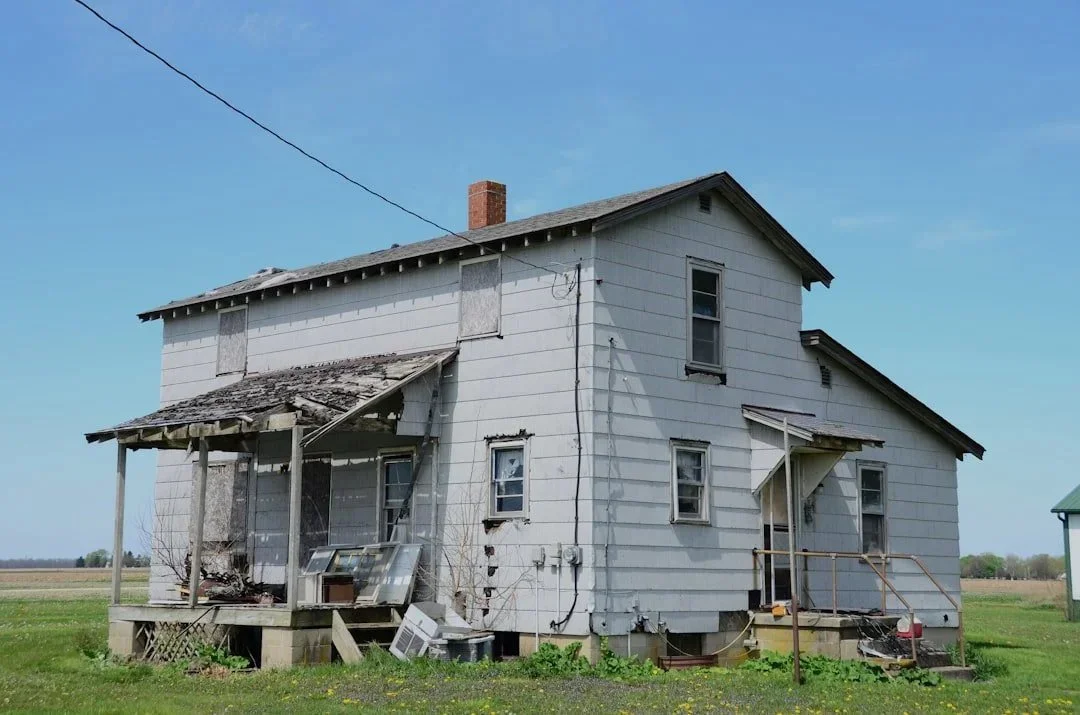
Before deciding whether to repair anything, the smartest move is to understand exactly what’s going on.
Professional evaluations help you:
Separate cosmetic concerns from real risks
Understand whether movement is active or has stabilized
Learn what options exist, even if you choose not to fix anything
Prepare documentation that buyers will likely request anyway
This knowledge gives you leverage. It allows you to control the narrative instead of reacting to surprises halfway through the sale.
Repair vs. Sell As-Is: Making the Right Call
There is no single correct answer here. The best choice depends on your goals, your budget, and your timeline.
When Repairs May Make Sense
You want top-dollar pricing
The issue is straightforward and well-defined
You plan to sell to a traditional buyer using financing
Repairs significantly improve buyer confidence
When Selling As-Is Is Smarter
You want to avoid upfront expenses
You’re selling due to life changes or time constraints
The buyer pool includes investors or cash buyers
The issue is complex and expensive
Many Chicago sellers choose a middle path — gathering estimates, pricing accordingly, and letting the buyer decide how to move forward.
Foundation Repair Cost Analysis for Homeowners
When preparing to sell a home with foundation concerns, cost analysis is an important step. Repair expenses vary based on the type of issue, how long it has existed, and the repair method required. In Chicago, minor stabilization or crack-related work may fall on the lower end of the cost spectrum, while more extensive structural corrections can become a significant investment.
Consulting a structural engineer can help homeowners understand which repairs are necessary and which are optional. An engineer’s evaluation clarifies the severity of the issue and provides an objective assessment that can prevent overestimating repair needs or spending money where it won’t add value.
For homeowners, the key question is not just the foundation repair cost itself, but how that cost compares to potential outcomes. In some cases, completing repairs can increase buyer confidence and reduce price negotiations. In other situations, the cost of repairs may outweigh the increase in sale price, making it more practical to adjust the listing price instead.
Evaluating repair estimates alongside market conditions, buyer demand, and time constraints allows homeowners to make informed decisions. A clear understanding of repair costs helps avoid over-investing before a sale while still positioning the property realistically in the Chicago market.
Pricing Strategically in a Competitive Chicago Market
Pricing a home with known structural concerns requires balance. Overpricing leads to long market time and repeated price drops. Underpricing leaves money on the table.
Strong pricing strategies often:
Account for verified repair estimates
Reflect neighborhood demand and inventory
Factor in buyer perception, not just raw numbers
Leave room for negotiation without killing momentum
An experienced local agent can help position your home honestly while still protecting your equity.
The Importance of Local Expertise

Not every agent knows how to sell homes with foundation concerns — and that matters.
Local professionals understand:
How Chicago buyers think
Which issues raise red flags and which don’t
How inspections typically go in this market
How to present reports without scaring buyers
Working with people who regularly handle these situations reduces stress and prevents avoidable mistakes.
Documentation That Helps Homes Sell Faster
Sellers who prepare upfront often experience smoother transactions. Helpful documents include:
Professional inspection reports
Engineering evaluations
Past repair records or warranties
Clear disclosures written in plain language
These materials answer buyer questions before they’re asked and reduce back-and-forth during negotiations.
Negotiating Without Losing Control
Expect buyers to ask for something. That’s normal.
They may request:
A price adjustment
A credit at closing
Additional inspections
Time to get contractor estimates
Successful sellers don’t take this personally. They stay focused on the end goal and respond with facts, not emotion. Flexibility — within reason — often keeps deals moving forward.
Financing Challenges and How to Navigate Them
Some foundation issues affect buyer financing. Certain loan programs have stricter requirements, which can limit your buyer pool.
This doesn’t mean your home won’t sell. It simply means:
Cash buyers may be more competitive
Conventional buyers may need documentation
Clear reports can help lenders approve deals
Knowing this ahead of time allows you to market strategically instead of scrambling later.
Why Transparency Protects You Legally and Financially
Trying to hide known issues almost always backfires.
Buyers will inspect the home. Issues will surface. When sellers disclose upfront, they:
Build trust
Reduce legal risk
Avoid delayed closings
Prevent last-minute deal cancellations
Honesty doesn’t weaken your position. It strengthens it.
Emotional Side of Selling With Structural Concerns
Many homeowners feel embarrassed or frustrated about foundation problems. That’s understandable — but unnecessary.
These issues are rarely caused by neglect. They’re often the result of age, environment, and factors beyond anyone’s control. Buyers know this, especially in Chicago.
Approaching the sale calmly and professionally helps you move forward without unnecessary stress.
Marketing a Home With Confidence

Strong marketing focuses on the full picture, not just one issue.
Effective listings highlight:
Location and neighborhood appeal
Square footage and layout
Recent upgrades or maintenance
Honest explanations of known concerns
When done right, buyers see opportunity instead of risk.
When to Talk to a Specialist Before Listing
If you’re unsure how serious your situation is, talking to the right professionals early can save time and money later.
This might include:
Engineers for evaluations
Contractors for realistic estimates
Agents for pricing and strategy
Legal professionals for disclosure questions
You don’t need to commit to repairs to get clarity.
Turning a Complicated Sale Into a Smooth One
Selling a home with foundation concerns isn’t easy — but it’s far from impossible.
Homeowners who succeed:
Get informed early
Price realistically
Disclose honestly
Work with experienced local professionals
With the right approach, many sellers close confidently and move on without regret.
Ready to Talk Through Your Options?
Foundation problems can feel like a deal-breaker, but in Chicago, they’re more common than many buyers realize. With proper evaluation, honest communication, and strategic planning, you can still achieve a successful sale.
By understanding your foundation, clearly documenting issues, and collaborating with experienced professionals, you can turn uncertainty into confidence.
Chicago homes sell every day with challenges just like yours. With the right guidance, yours can too.
About the Author
Karen Rodriguez is a licensed Illinois real estate broker and managing partner at Dello Investments, a woman-owned cash home buying company serving Chicago since 2021. With her California broker's license since 2016 and over 200 property transactions completed, Karen specializes in helping homeowners sell distressed properties, inherited homes, and houses facing foreclosure.
Karen holds a Bachelor's degree in Business Administration from CSU Monterey Bay and maintains active licenses in both Illinois and California. At Dello, she manages acquisitions, oversees property renovations, and handles listing sales. Her expertise includes BRRRR strategy (Buy, Rehab, Rent, Refinance, Repeat), Chicago real estate regulations including RLTO compliance, and creative financing solutions for sellers facing financial hardship.
Originally from Los Angeles, Karen now calls Chicago home where she lives with her four dogs and explores the city's 77 neighborhoods.