
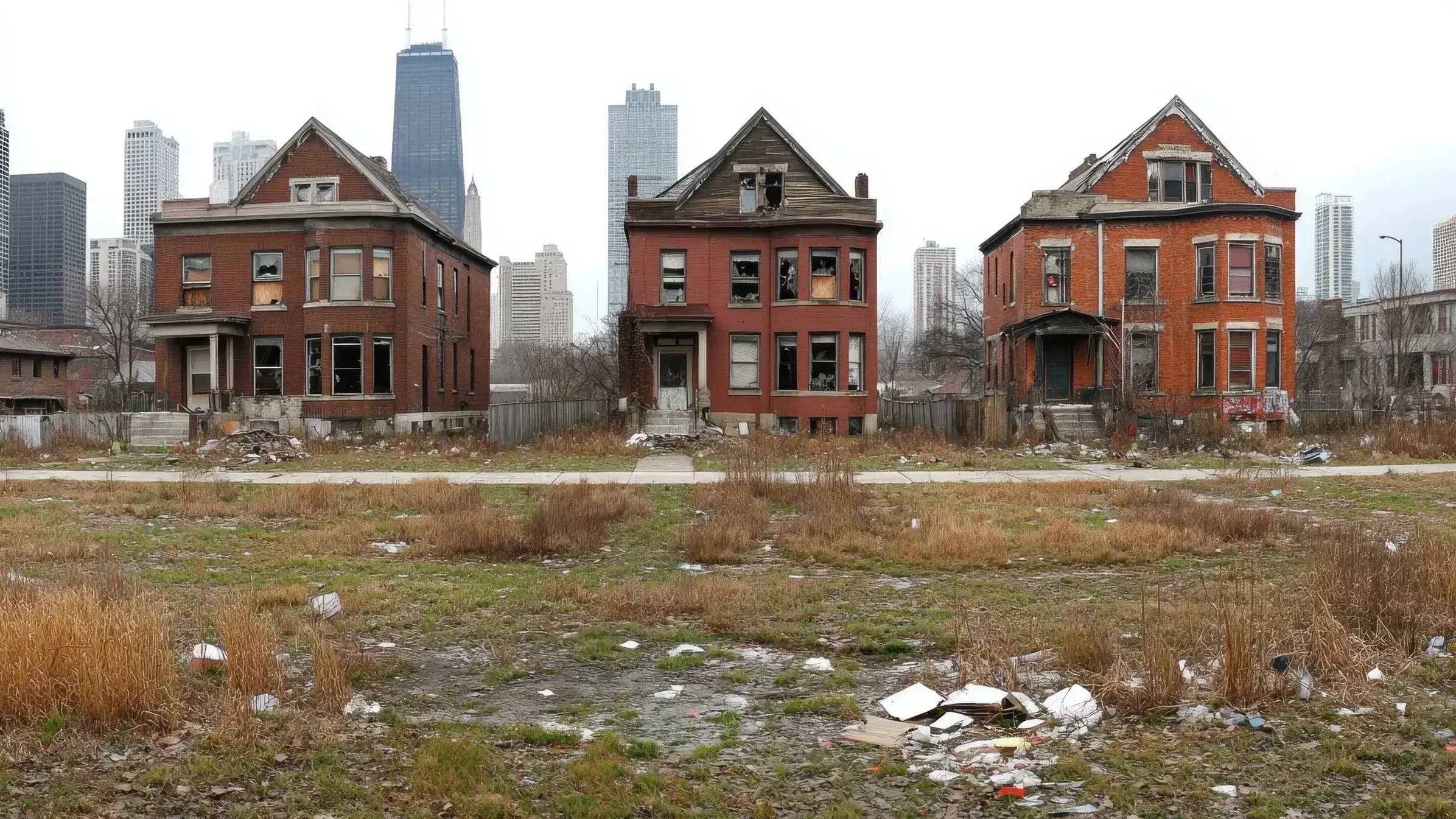
Abandoned houses in Chicago are more than empty buildings. They can create safety issues, code problems, and neighborhood concerns. But for some buyers and investors, they can also be an opportunity to buy below market and bring a property back to life.
If you are thinking about buying an abandoned house in Chicago, or you already own a vacant property that is becoming a burden, it helps to understand the legal, financial, and practical side before making your next move.
This guide explains:
- why houses get abandoned in Chicago
- whether abandoned buildings are dangerous
- whether it is legal to enter or live in one
- how buyers find and purchase abandoned properties
- what risks to watch for before you invest
If your property is already empty and becoming expensive to maintain, Dello Investments buys vacant houses in Chicago as-is, with no repairs or cleanup needed.
What counts as an abandoned house in Chicago?
In everyday language, an abandoned house is a property that appears vacant and neglected. It may have boarded windows, overgrown grass, broken doors, code violations, or clear signs that no one has been maintaining it.
In Chicago, though, appearance alone does not decide the legal status. A property may still have an owner, unpaid taxes, open building violations, or a pending court or foreclosure issue. The City of Chicago also requires many vacant buildings to be registered and maintained by the owner. The municipal ordinance says owners of vacant buildings must register within 30 days and must maintain, secure, and insure the property.
That is why buyers should never assume a house is truly “free” just because it looks abandoned.
Why do houses get abandoned in Chicago?
Most abandoned houses do not become vacant for just one reason. It is usually a mix of financial stress, legal problems, property damage, or family issues.
Common reasons include:
- foreclosure
- unpaid taxes
- inherited property disputes
- major repair costs
- owner relocation
- long-term vacancy after a death or move
- code violations that make the property harder to sell
Chicago and Cook County have created tools to move some of these properties back into productive use. The Cook County Land Bank Authority says its mission is to reduce and return vacant land and abandoned buildings into reliable and sustainable community assets.
Are abandoned houses dangerous?
Yes, many abandoned houses can be dangerous.
The biggest risks are usually:
- structural damage
- roof or water intrusion
- mold and pests
- broken stairs or flooring
- exposed wiring
- unsecured entry points
- fire risk
- vandalism or unauthorized entry
For buyers, that means an abandoned house may look like a bargain from the street but still carry major repair costs once you get inside. For neighbors, vacant houses can also become ongoing safety and nuisance issues.
Is it illegal to go inside or live in an abandoned house?
In general, yes, entering or living in an abandoned house without permission is illegal.
Illinois law makes it criminal trespass to knowingly enter or remain in or on a building without lawful authority. Even if a property looks vacant, it may still be privately owned, in probate, in foreclosure, or held by a lender or government entity.
That means you should not assume an abandoned house is open for use just because no one seems to be there. Legal possession requires ownership or permission.
If you are dealing with unauthorized occupants in a vacant property, that is a separate legal issue and should be handled carefully.
How to find abandoned houses in Chicago
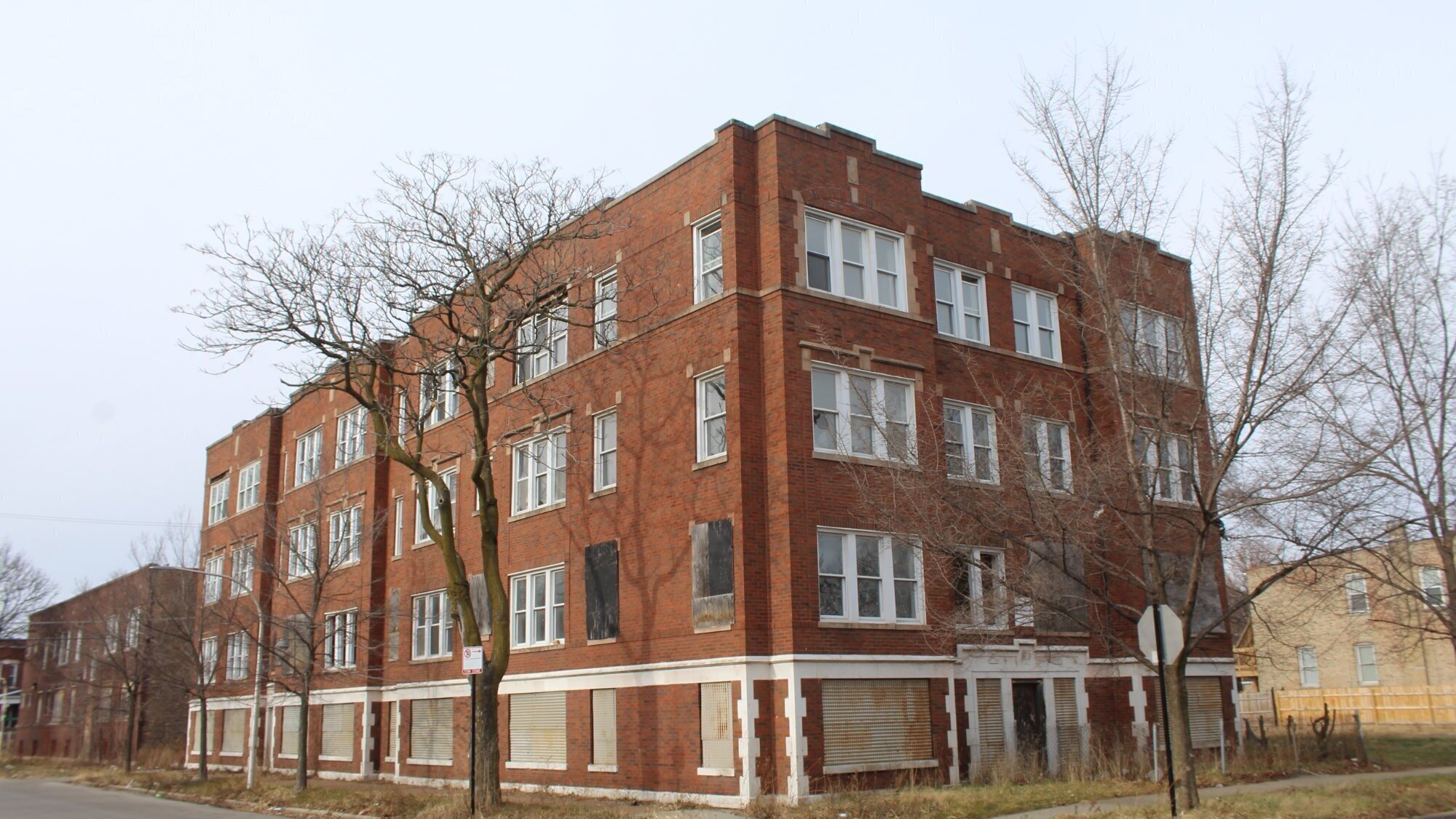
Finding abandoned properties takes more than driving around looking for boarded windows. A better approach is to combine public records, city tools, and local real estate knowledge.
Start with city records
Chicago offers public tools where you can check the status of some vacant properties and search building permit, inspection, and violation records by address. That can help you see whether a property has registered vacant status, open violations, or other red flags.
Watch auctions and tax-sale channels
Some distressed properties eventually move through tax sales, foreclosure channels, or other public sale processes.
Check the Cook County Land Bank
The Cook County Land Bank Authority offers properties for acquisition and also has a Homebuyer Direct Program for certain owner-occupants. Its current guidance says available properties can be viewed through its interactive property viewer, and buyers can inspect and submit offers through the program process.
Talk to local professionals
Real estate attorneys, title companies, investors, and agents who work in Chicago’s distressed-property market often know about properties before they show up in broader searches.
How to buy abandoned property in Chicago
Buying an abandoned property is not the same as buying a standard listed house. You need to verify title, legal status, condition, and realistic repair costs before you make an offer.
A smart process usually looks like this:
1. Verify ownership and status
Check who owns the property, whether taxes are owed, and whether there are liens, code cases, or court issues attached to it.
2. Review city records
Search for permits, inspections, and violations. Chicago’s records tools can help you spot open building issues before you buy.
3. Inspect the property carefully
Abandoned houses often have hidden damage. Budget for inspection, contractor walkthroughs, and a larger repair cushion than you would with a normal purchase.
4. Understand your financing
Many abandoned homes will not qualify for standard conventional financing without repairs. The Cook County Land Bank notes that purchase-rehab loans are often the most appropriate loan type for its program properties, and that homes are sold as-is.
5. Get legal help when needed
A real estate attorney can help you review title problems, deed issues, city compliance, and closing risks before you commit.
Biggest risks when buying abandoned homes
The upside can be real, but so can the problems.
The most common risks are:
- unclear title
- unpaid property taxes
- code violations
- major rehab costs
- unsafe conditions
- neighborhood-specific resale risk
- insurance challenges on vacant property
- city compliance requirements after purchase
Chicago’s vacant-building rules also place ongoing responsibilities on owners to register, secure, insure, and maintain many vacant properties. That means once you buy, the carrying costs can start quickly if the house stays empty.
Why some buyers still pursue abandoned houses
Despite the risks, buyers and investors still pursue these properties for a few reasons:
- lower entry price
- rehab upside
- neighborhood revitalization potential
- less competition in some cases
- opportunities through land bank or distressed sale channels
The Cook County Land Bank’s Homebuyer Direct Program specifically markets some below-market properties to owner-occupants willing to rehab them and build equity.
That said, the best opportunities usually go to buyers who know how to estimate rehab costs, understand title and city compliance, and have enough cash or financing flexibility to handle surprises.
What to avoid before you buy
Do not buy based on curb appeal alone. A property that looks salvageable may still have title problems, water damage, or open city issues.
Before you move forward:
- verify ownership
- search violations and permits
- check taxes and liens
- inspect thoroughly
- price repairs realistically
- understand neighborhood resale potential
- confirm whether you can insure and finance the property
If you skip those steps, a “cheap” abandoned house can turn into a very expensive mistake.
What if you already own a vacant or abandoned house in Chicago?
For many owners, the bigger question is not how to buy an abandoned house. It is how to stop losing money on one.
A vacant property can come with:
- taxes
- insurance
- lawn and snow maintenance
- winterization costs
- code enforcement risk
- security concerns
- repair escalation from sitting empty
If the house is inherited, distressed, or simply more trouble than it is worth, selling it as-is may be the easier path.
Dello Investments buys vacant houses in Chicago in their current condition. No repairs. No cleanup. No long listing process.
Final thoughts
Chicago abandoned houses can be opportunity or liability, depending on how carefully you approach them.
If you want to buy one, start with public records, title research, inspections, and a realistic rehab budget. If you already own one, be honest about the true cost of holding it.
The best move is usually the one that reduces risk, protects your time, and gives you a clear path forward.
FAQs
Why do houses get abandoned in Chicago?
Usually because of foreclosure, unpaid taxes, major repair costs, inheritance issues, relocation, or long-term vacancy. In many cases, more than one issue is involved.
Are abandoned houses dangerous?
Yes. They can have structural damage, exposed wiring, water damage, pests, mold, and security risks.
Is it legal to live in an abandoned house in Chicago?
No, not without lawful authority. Entering or occupying a building without permission can be criminal trespass under Illinois law.
How do I find abandoned houses in Chicago?
Start with city vacant-property and building-record tools, then check auctions, tax-sale channels, the Cook County Land Bank, and local real estate contacts.
Can you buy abandoned property in Chicago?
Yes, but you still need to verify title, taxes, violations, and condition before buying. Some properties are sold through auctions, distressed sales, or the Cook County Land Bank.
What is the biggest risk when buying an abandoned house?
Usually hidden repair costs, title problems, unpaid taxes, or open code violations.