
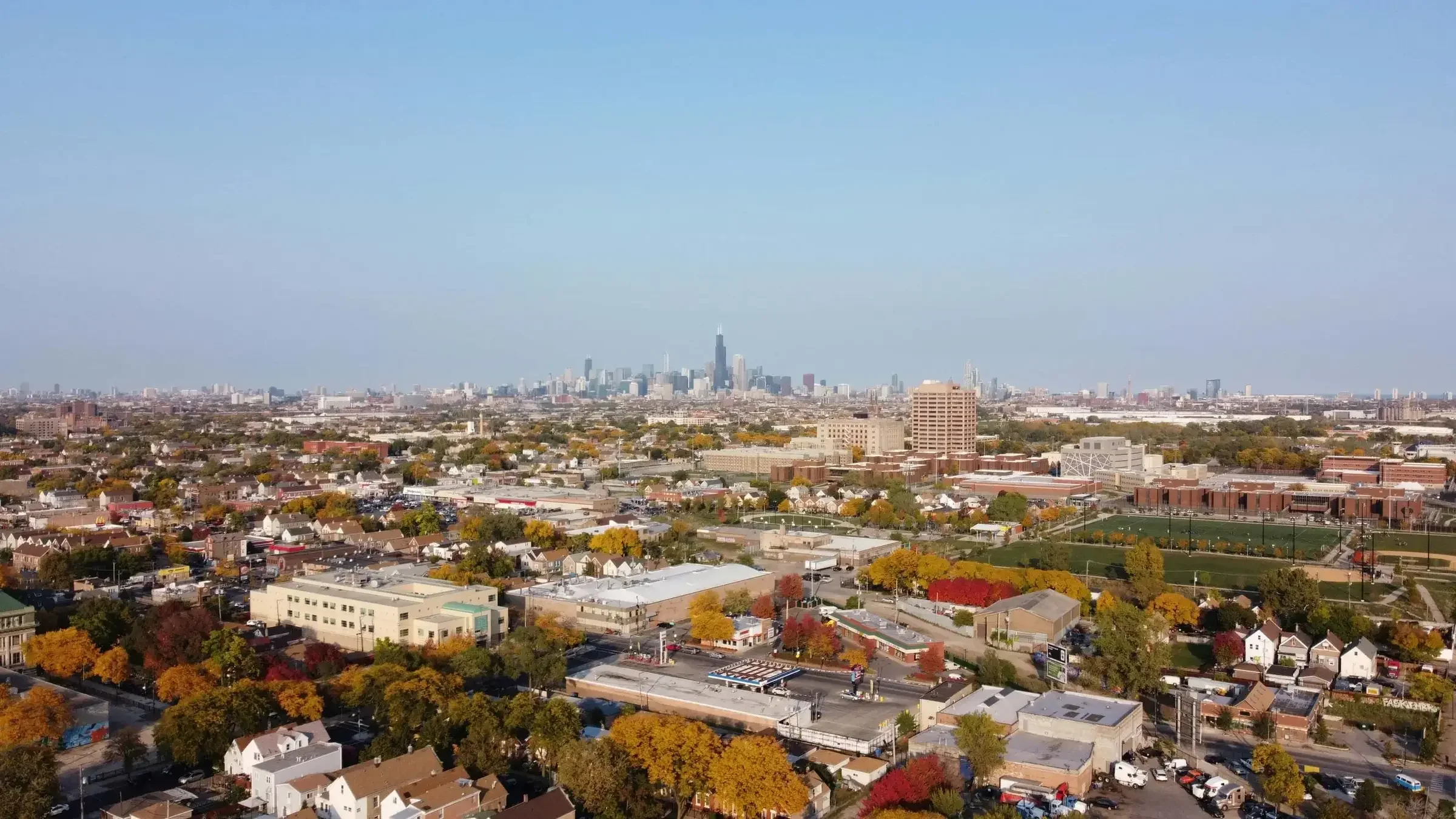
Damaged House Purchase in Chicago
We buy damaged houses in Chicago—fire damage, water damage, foundation issues, structural problems. Get your offer in 24 hours, close in 7-14 days.
No repairs required. Call (312) 975-5557 now.
Can't afford to fix your damaged house? Insurance won't cover it? We buy homes in any condition across Chicago and Cook County. You avoid expensive repairs and move forward fast.
At What Point Is a House Not Worth Fixing in Chicago?
A house is not worth fixing in Chicago when repair costs exceed 50–70% of the home's after-repair value, or when you can't afford the upfront investment.
Common tipping points:
Foundation and structural damage: Costs often exceed $30,000–$100,000+ and don't always add equivalent value to your sale price.
Extensive water or fire damage: Remediation, mold removal, and rebuilding can run $50,000–$150,000 depending on square footage and severity.
Code violations requiring permits: Chicago Department of Buildings citations may require complete system upgrades, costing more than selling as-is.
Multiple major systems failing: When roof, HVAC, plumbing, and electrical all need replacement simultaneously, total costs become unaffordable.
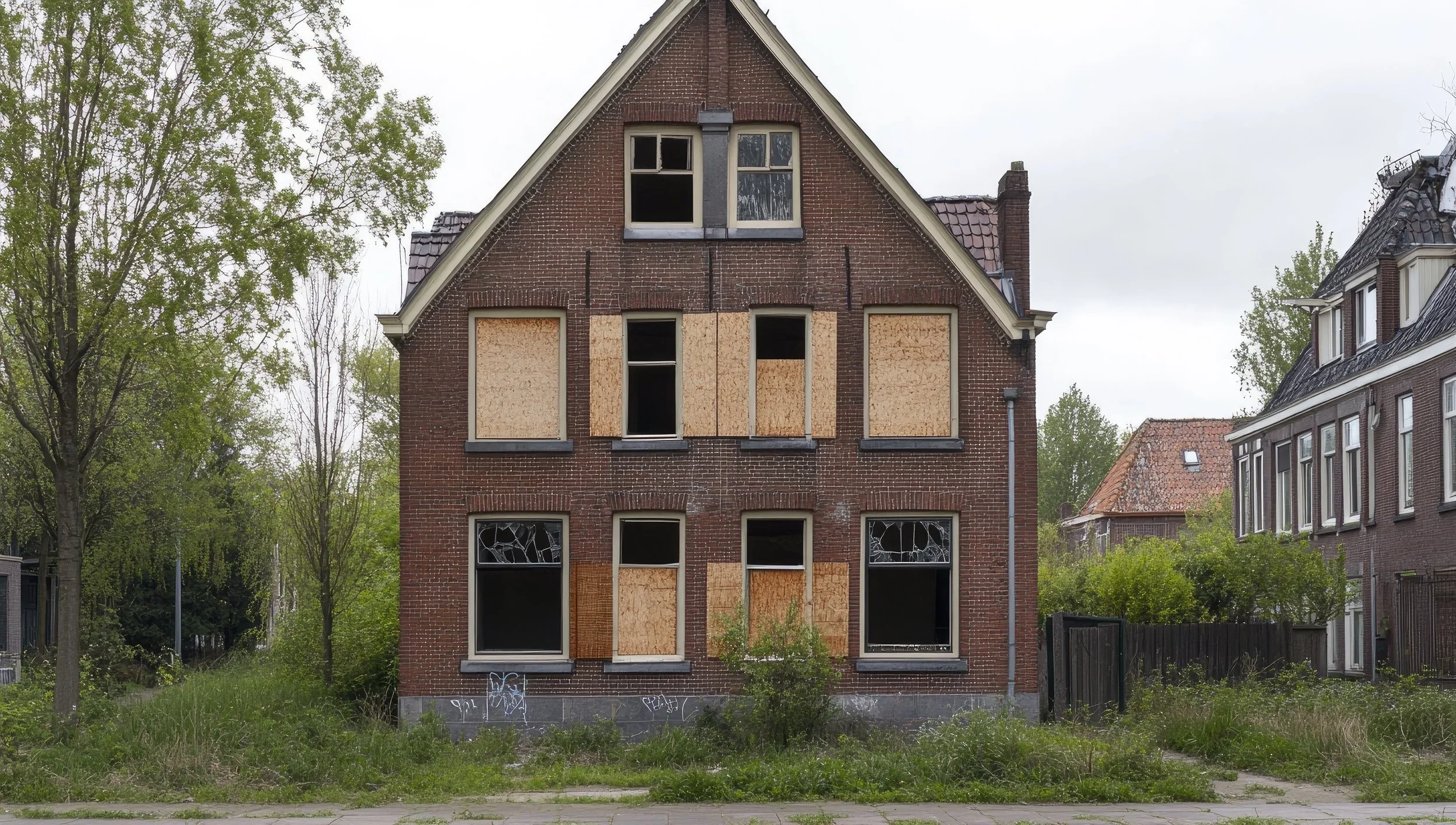
What Counts as Major Damage When Selling Your House
Understanding the distinction between cosmetic issues and major damage helps you choose between repair and sale.
Cosmetic Issues (Under $5,000):
Peeling paint
Worn carpeting
Outdated fixtures
Minor plumbing leaks
These don't prevent traditional sales and cost under $5,000 to address.
Major Damage ($30,000–$150,000+):
Foundation failure and settlement
Fire destruction
Extensive flooding and water damage
Structural compromises
City condemnation notices
These issues prevent traditional financing and require major investment.
Chicago-Specific Problems:
Chicago's brick and masonry construction faces specific issues:
Tuckpointing needs
Settling foundations
Basement flooding
Bowing basement walls
Traditional buyers fear these issues even when fixable. Cash buyers accept them without hesitation.
How to Sell a Structurally Damaged Home Without Making Repairs
Structural damage creates the most difficult selling situations. Homeowners facing cracked foundations, bowing basement walls, sagging floors, or condemned-structure notices from the city cannot sell through traditional channels.
Why Traditional Sales Fail:
Mortgage lenders refuse to finance homes with structural deficiencies. FHA and conventional loans require structural integrity before approval.
How Cash Buyers Work:
Cash buyers evaluate repair costs through experienced contractor networks, adjust offers to account for necessary work, and purchase with no contingencies beyond title clearance.
You walk away without:
Hiring structural engineers
Contracting foundation specialists
Obtaining permits
Coordinating inspections
Satisfying Department of Buildings requirements
Cook County building codes require permits for all structural work. Obtaining permits, coordinating inspections, and satisfying requirements takes months and costs thousands in fees alone.
Selling as-is transfers compliance burdens to buyers who have contractor relationships and permitting experience. You avoid citation fines, stop-work orders, and the complexity of navigating municipal requirements.
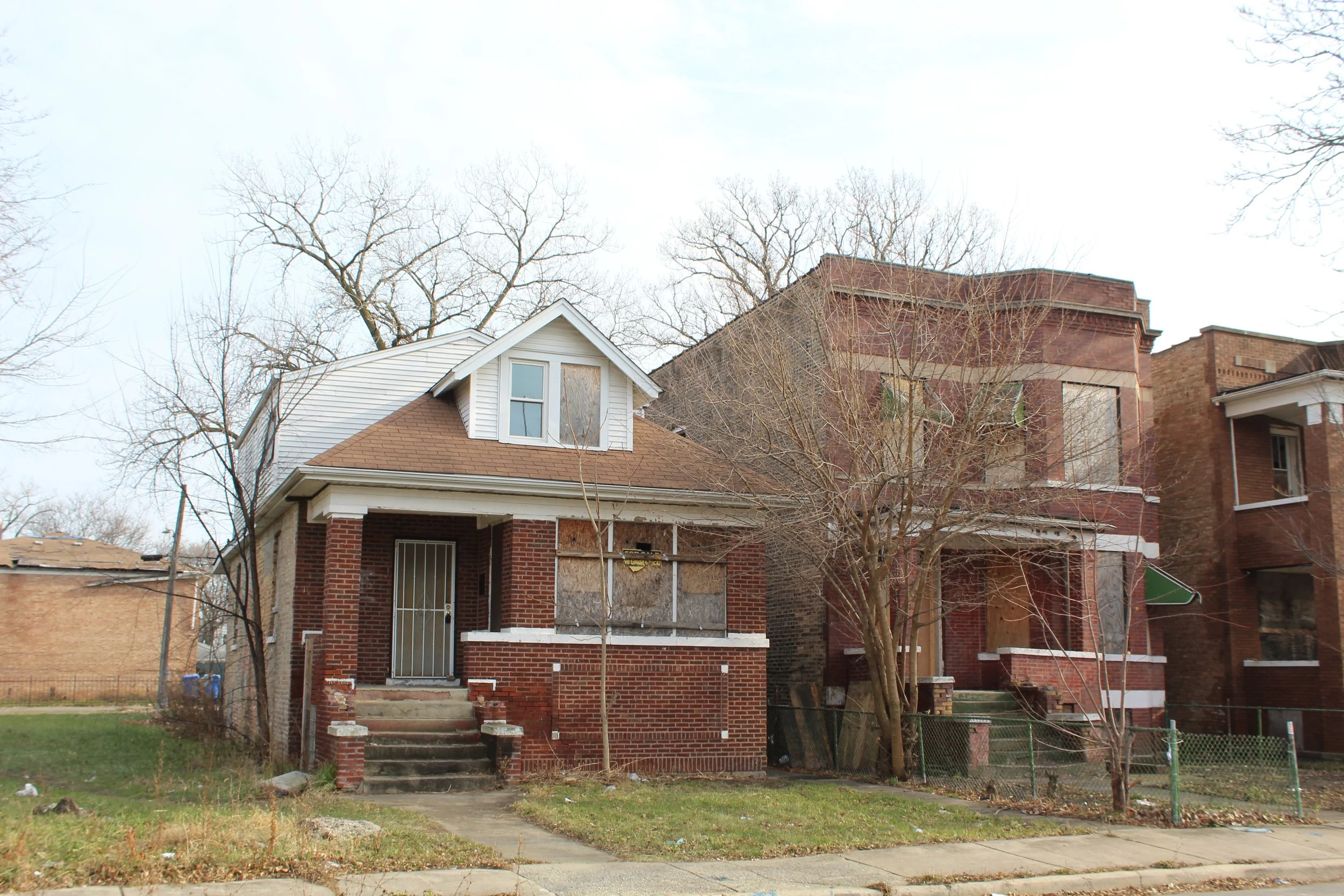
Steps to Prepare Your Fire, Water, or Storm-Damaged House
Disaster damage overwhelms homeowners. Restoration costs exceed insurance payouts by $20,000–$80,000 regularly. Living in uninhabitable homes during repairs creates impossible stress for families.
Minimal preparation helps damaged properties sell quickly:
1. Secure the property – Board broken windows, tarp damaged roofs, shut off water to prevent continued flooding.
2. Gather insurance documentation – If you filed claims, include adjuster reports and payout statements.
3. Provide access for inspections – That's it. No cleaning, debris removal, or contractor estimates needed.
Winter Damage in Chicago:
Chicago winters cause freeze-thaw pipe bursts and ice dam roof damage throughout Cook County. Selling before spring thaw prevents compounding water issues and mold growth that worsen damage exponentially.
When Selling As-Is Beats Filing Insurance Claims
Insurance claims seem like obvious solutions after disaster damage, but they create new problems:
Insurance Claim Downsides:
Premium increases: 20–40% for 3–5 years in Illinois
Deductibles: $2,500–$10,000 out of your pocket immediately
Adjuster negotiations: Drag on for months while properties deteriorate further
Contractor estimates exceed payouts: You pay the difference from savings you may not have
Living in damaged homes: 3–6 month restoration projects affect family health and safety
Uncertain return on investment: Repairs won't necessarily return full investment when you sell
Selling Damaged Preserves Your Future:
Selling damaged preserves your insurance history and eliminates repair stress entirely. You receive cash offers accounting for damage, close quickly, and move on without months of contractor management.

Types of Damage We Buy
Fire Damage:
Structural fire damage
Smoke contamination
Partial or complete destruction
Electrical fires
Water Damage:
Burst pipes and flooding
Basement flooding
Ice dam damage
Mold growth
Structural rot
Storm Damage:
Roof damage
Wind damage
Hail damage
Tree damage
Other Major Damage:
Code violations and condemnation
Multiple system failures
Hoarding damage
Vandalism and stripped properties
Types of Damage We Buy
Fire Damage:
Structural fire damage
Smoke contamination
Partial or complete destruction
Electrical fires
Other Major Damage:
Code violations and condemnation
Multiple system failures
Hoarding damage
Vandalism and stripped properties
Water Damage:
Burst pipes and flooding
Basement flooding
Ice dam damage
Mold growth
Structural rot
Storm Damage:
Roof damage
Wind damage
Hail damage
Tree damage
Why Sell Your Damaged House to Us
Buy Any Damage: Fire, water, foundation, structural—we buy it all.
No Repairs Required: Sell completely as-is with zero investment.
Fast Offers: 24 hours from inspection to written offer.
Fast Closings: 7-14 days typical.
Handle Permits: We deal with all Department of Buildings issues.
Pay All Closing Costs: Transfer taxes, title fees, attorney costs covered.
Fair Pricing: We show you our contractor estimates and repair calculations.
Licensed Title Company: Full consumer protections on every closing.
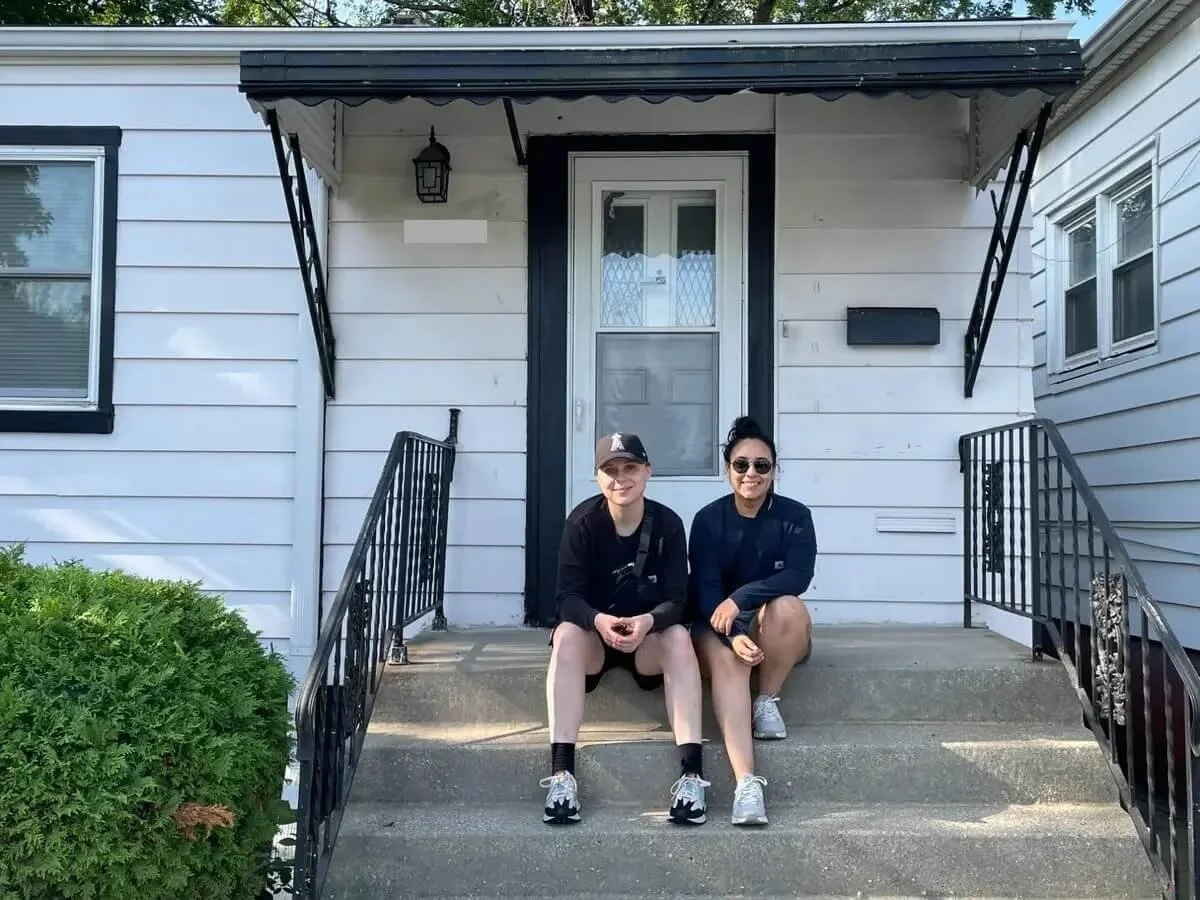
Ready to Sell Your Damaged House?
Stop worrying about repairs. Get your cash offer today.
Call: (312) 975-5557 Available 7 days a week, 8 AM–9 PM
Get My Cash Offer Button Below Fill out our form—receive offer within 24 hours
Email: connect@delloinvestments.com Send us your property details and photos

FAQs
What is considered major structural damage to a house in Chicago?
Foundation cracks wider than ¼ inch, bowing basement walls, sagging joists, fire/flood destruction, or condemned-structure notices from the city.
Can I sell my house in Chicago if it has fire or water damage?
Yes—property investment companies buy fire and water-damaged homes as-is; you don't need to complete remediation, mold removal, or reconstruction.
At what point is it not worth fixing a damaged house in Chicago?
When repair costs exceed 50–70% of after-repair value, or when you lack funds for upfront work—selling as-is often nets more than partial repairs.
Do I need to report property damage before selling in Illinois?
Yes—Illinois requires disclosure of known material defects; reputable cash buyers still purchase after disclosure, but you must inform them honestly.
Will insurance cover my damaged house before I sell in Chicago?
Depends on your policy and claim history; if insurance paid out or denied, you can still sell as-is to a cash buyer with no repair obligation.
How fast can I sell a storm-damaged house in Cook County?
As quickly as 7–14 days from accepted offer; cash buyers don't require appraisals or lender inspections, so damage doesn't delay closing.