Are New Vacant Home Regulations Coming to Chicago?
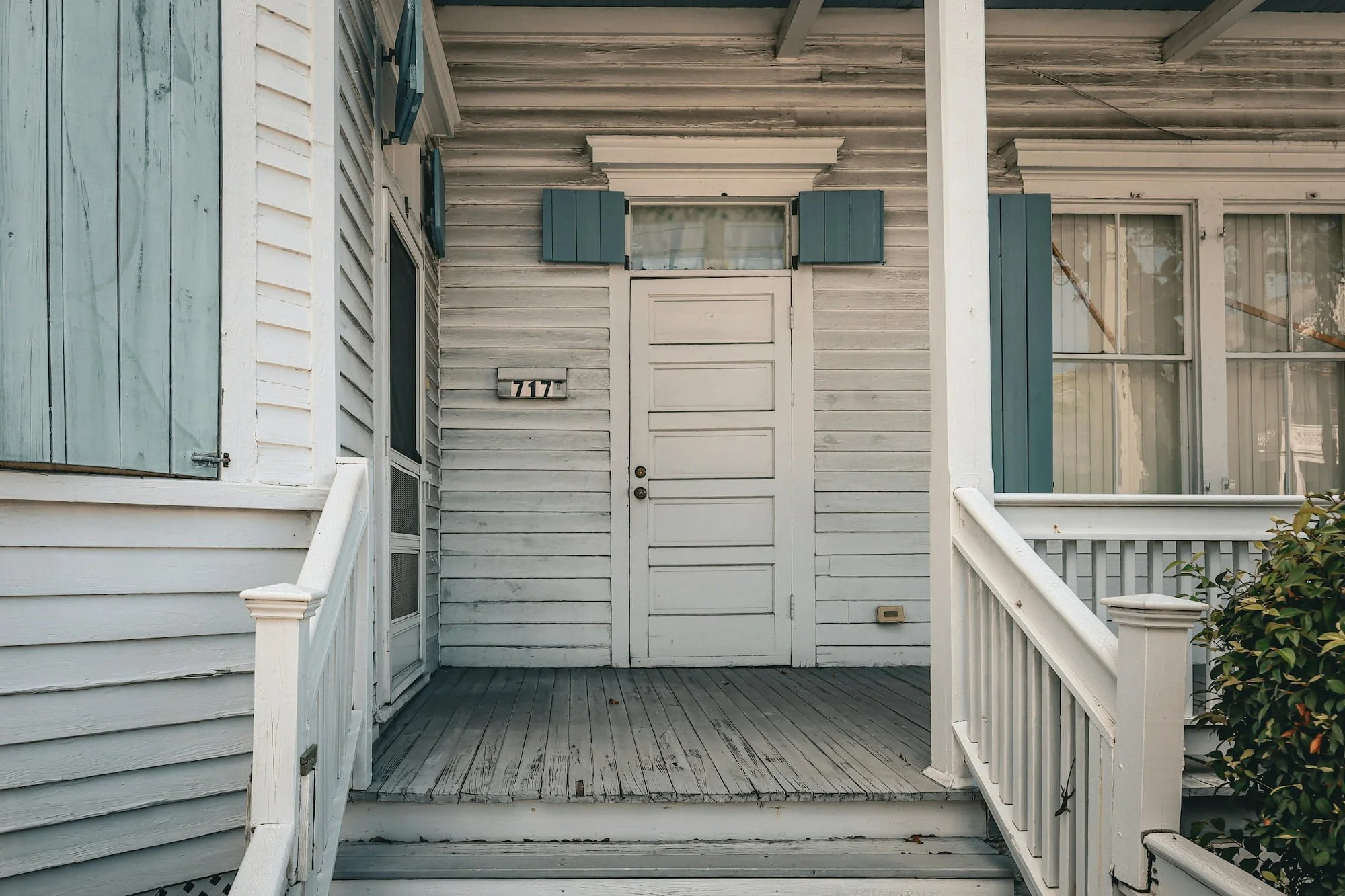
Chicago is no stranger to debates about housing, affordability, and neighborhood health. But in 2026, one issue has gained unprecedented attention: vacant homes. From absentee landlords to investment properties sitting unused, vacant residential units are increasingly viewed not just as an eyesore, but as a structural obstacle standing in the way of healthier neighborhoods and more stable housing options.
While Chicago has long had regulations addressing vacant properties, the city is now weighing whether it should take a more aggressive, policy-driven approach—potentially even introducing a vacant home tax, similar to those used in cities like Vancouver, San Francisco, and Washington, D.C. The big question circulating throughout the city right now is this:
Are new vacant home regulations—possibly even new taxes—coming to Chicago?
Many signs suggest the answer may be “yes.” Below, we break down what’s being discussed, what already exists, and how upcoming regulations could impact Chicago homeowners, investors, developers, and landlords.
Why Vacant Homes Matter More Than Ever
Vacant homes have always impacted neighborhoods, but in 2026, the issue has taken on new urgency. Chicago faces a combination of challenges that make long-term residential vacancy more problematic than in previous years:
A citywide shortage of affordable housing
An ongoing homelessness crisis affecting thousands of residents
Aging housing stock requiring updates and reinvestment
Population shifts that leave entire blocks with underused homes
Public safety concerns associated with unsecured, deteriorating structures
When a home sits empty for months—or years—it can have cascading effects on the neighborhood. Vacant homes are more likely to attract vandalism, break-ins, or squatters. They can fall into disrepair without anyone noticing. They become hotspots for fires, illegal dumping, and rodent activity. And even well-maintained vacant properties can give nearby homeowners the perception that their block is declining.
This is part of why Chicago is reevaluating how it handles vacancy: the stakes are too high to ignore.
Chicago’s Current Rules: What Already Exists
Before imagining what might change, it’s important to understand what Chicago already requires from owners of vacant properties. Many residents are surprised to learn that Chicago already has one of the strictest “vacant building” ordinances in the Midwest.
If a residential building becomes vacant, Chicago law typically requires the owner to:
Register the building as vacant
Pay a registration fee, which must be renewed every six months
Secure all windows, doors, and openings
Maintain an active liability insurance policy
Keep the exterior clear of debris and hazards
Comply with regular city inspections
Failure to register or to maintain the property can result in:
Daily accumulating fines
Enforcement actions in municipal court
Emergency board-ups are charged back to the owner
In extreme cases, demolition orders
This ordinance is focused on safety, compliance, and accountability. Its goal is simple: to prevent vacant homes from harming surrounding residents and dragging down neighborhood quality.
But what it does not do is directly discourage vacancy itself. In other words, as long as an owner follows the rules, a home can remain vacant indefinitely without financial consequences—aside from registration fees.
That may be the gap new regulations aim to fill.
Why Chicago Is Considering New Vacancy Policies

If Chicago already has strict vacancy laws, why talk about more?
Because those existing rules mostly address maintenance, not usage. A property can be perfectly maintained and still sit empty for years. That’s where new policy ideas come in—especially one gaining momentum in U.S. cities: vacant home taxes.
Cities considering vacancy taxes usually have four major goals:
Put unused homes back on the market
Discourage real-estate speculation
Increase rental and ownership opportunities
Generate revenue for affordable housing or redevelopment
Chicago faces all four of these challenges simultaneously, making it a prime candidate for reevaluating how vacancy is handled.
The Vacancy Tax Concept: Could It Come to Chicago?
A vacant home tax is exactly what it sounds like: a fee charged to owners who leave residential units empty for a specified period, typically more than six months per year. Other cities have successfully implemented vacancy taxes to increase housing availability and discourage speculative holding, and Chicago policymakers have taken notice.
Over the past several years, ideas around a vacancy tax in Chicago have begun circulating in policy discussions, housing forums, and community advocacy circles. While no official legislation has been adopted, the possibility is more serious now than ever before.
A Chicago-style vacancy tax—if implemented—might include:
A registration requirement for homes vacant for more than 6 months
An annual tax on those properties
Higher tax rates for repeat or long-term vacancy
Exemptions for legitimate cases such as active renovation, probate, or seasonal use
Supporters argue that even a modest vacancy tax could:
Bring thousands of unused units back into circulation
Generate millions of dollars for housing programs
Stabilize neighborhoods with high concentrations of boarded-up homes
Critics worry it could:
Penalize owners dealing with difficult repairs
Burden seniors or low-income residents who inherit long-standing vacant homes
Push landlords into renting before their units are fully ready
These concerns mean any future vacancy legislation would likely include multiple exemptions and phased implementation.
How Chicago Communities Are Responding
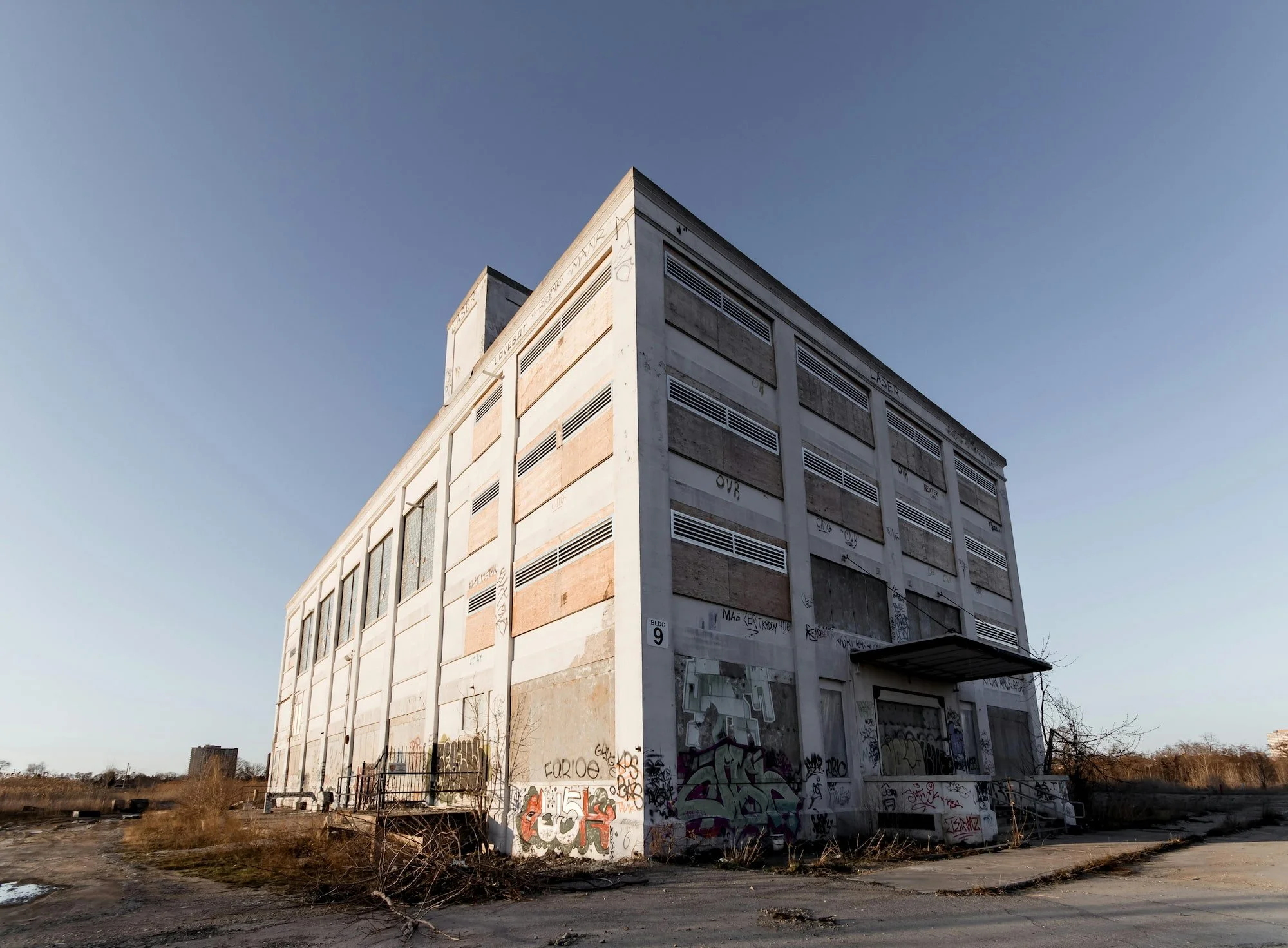
Different neighborhoods experience vacancy differently. On the North Side, vacancy often means an unused condo held by an investor. On the West or South Sides, it may mean decades-old vacant homes left behind after population decline. And in rapidly gentrifying neighborhoods, vacancy can spike when properties are in limbo during redevelopment.
Neighborhoods Facing Chronic Vacancy
Residents in long-disinvested areas strongly favor vacancy reform. Many believe underused homes are the biggest barrier to neighborhood revitalization—and they support tougher penalties on absentee owners.
Neighborhoods with High Investor Activity
Some residents in high-demand areas support vacancy taxes as a way to reduce speculative buying and keep more homes available to local families.
Property Owners’ Concerns
Many owners worry that new vacancy taxes could be confusing, expensive, or unfair if not written carefully. They want:
Clear exemptions
Time to bring units into compliance
Predictable enforcement
Support for rehab or reuse
Balancing these competing interests is part of why Chicago is taking its time on this decision.
What New Regulations Could Look Like in Chicago
While no official ordinance exists yet, several realistic scenarios could emerge:
1. A Citywide Vacancy Registration Requirement
Chicago could require owners of homes vacant for more than 6 months to register them and provide documentation.
2. A Tiered Vacancy Tax
Properties vacant for 6–12 months could face a modest tax, with higher rates added for every year of continued vacancy.
3. Stronger Maintenance Codes
Chicago could extend its existing ordinance with tighter deadlines, higher fines, or more inspections.
4. Incentives for Reuse
Instead of—or in addition to—penalties, the city could offer:
Tax credits for restoring vacant homes
Grants for converting unused properties into rental housing
Fast-track permitting for rehabs
These positive incentives may roll out alongside any new penalties.
What Vacant Property Owners Should Do Now

Regardless of what Chicago decides in 2026, property owners can take steps today to protect themselves.
1. Determine whether your property is considered “vacant.”
If no one is living in the home, and utilities are off, the city may already classify it as vacant.
2. Stay compliant with all current rules.
Register your property promptly if it meets the vacant building criteria. Avoid fines and legal issues.
3. Document everything.
Keep repair receipts, listing documents, and schedules. This will be essential if new regulations include exemptions.
4. Decide your long-term plan.
If you have no intention of occupying or renting the property, consider selling or redeveloping it before new policies take effect.
5. Stay informed.
Policy changes often appear as part of city budget cycles. Keeping an eye on council meetings and local housing debates puts you ahead.
Final Thoughts: Is Change Coming?
While nothing is official yet, Chicago is clearly moving toward a more assertive approach to vacancy. The trends are unmistakable:
Rising pressure to address vacant residential properties
Growing interest in vacancy taxes and new regulations
Strong community support for revitalizing unused housing
Active redevelopment initiatives across the city
A political climate focused on affordable housing and neighborhood stability
A citywide vacant home tax isn’t guaranteed — but it’s firmly on the table.
For property owners, the smartest move is to get ahead of the curve, understand current rules, and prepare for what might come next. Vacant homes are no longer just an individual property issue. In 2026, they’re part of a broader conversation about Chicago’s future — its neighborhoods, its housing supply, and its long-term health.
About the Author
Karen Rodriguez is a licensed Illinois real estate broker and managing partner at Dello Investments, a woman-owned cash home buying company serving Chicago since 2021. With her California broker's license since 2016 and over 200 transactions completed, Karen specializes in helping homeowners sell distressed properties, inherited homes, and houses facing foreclosure.
Karen holds a Bachelor's degree in Business Administration from CSU Monterey Bay and maintains active licenses in both Illinois and California. At Dello, she manages acquisitions, oversees property renovations, and handles listing sales. Her expertise includes BRRRR strategy (Buy, Rehab, Rent, Refinance, Repeat), Chicago real estate regulations, including RLTO compliance, and creative financing solutions for sellers facing financial hardship.
Originally from Los Angeles, Karen now calls Chicago home, where she lives with her four dogs and explores the city's 77 neighborhoods.