What to Do With an Unwanted Inherited House in Chicago?
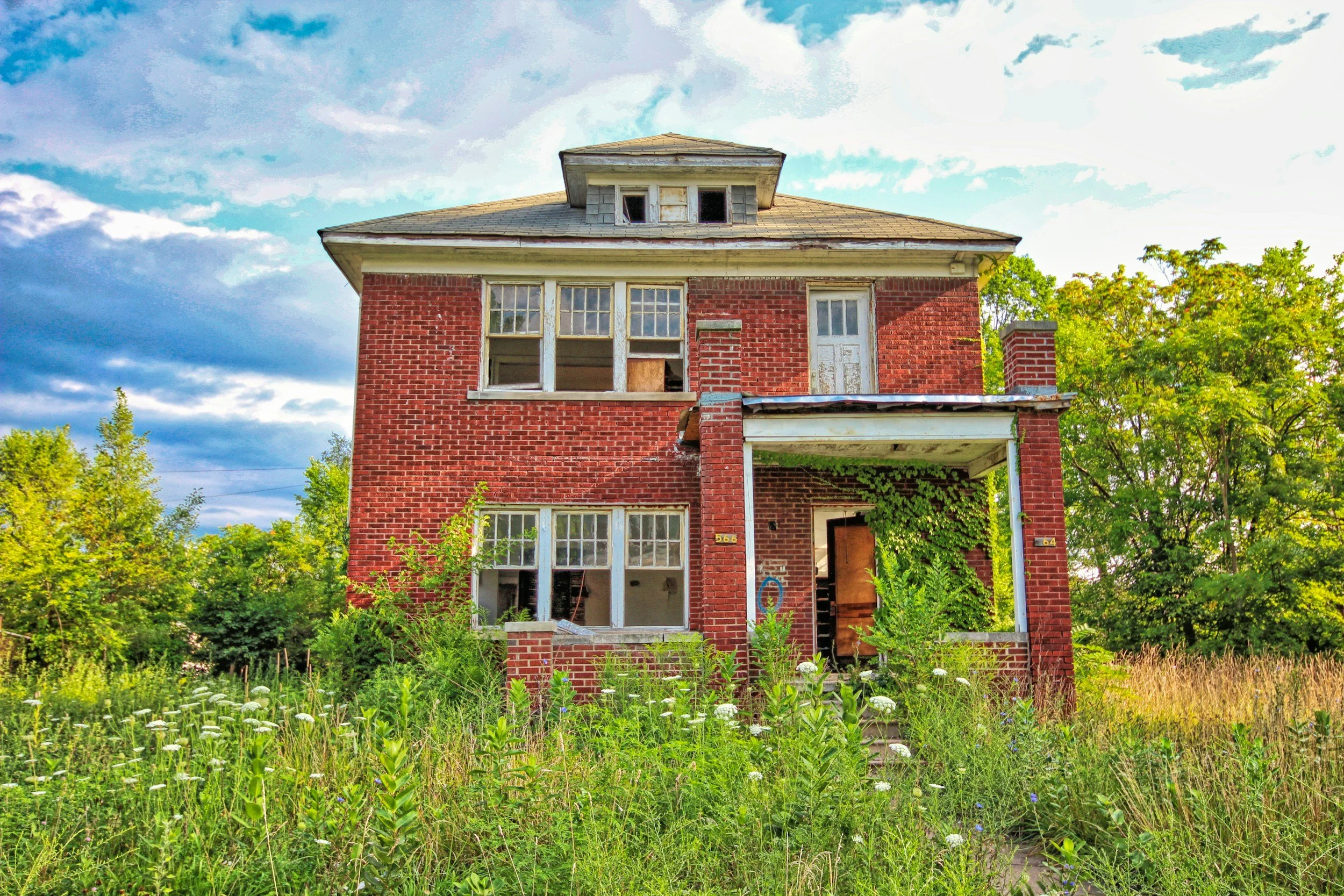
Inheriting a home can feel like a mixed blessing. On the one hand, it’s often a final gift from someone you loved. On the other, it can instantly become a responsibility you didn’t ask for—and maybe don’t have the time, funds, or emotional energy to manage.
If you’ve recently found yourself with an unwanted inherited house in Chicago, whether it’s vacant, outdated, filled with repairs, or tangled in family logistics, you’re not alone. Many Chicago heirs feel overwhelmed the moment they realize the real cost of keeping an inherited property: taxes, insurance, maintenance, utilities, security, probate, and potential city violations.
The good news? You have fast, stress-free options—and none of them require you to deal with endless repairs or carry the burden longer than you need to.
This guide breaks everything down in a warm, real-life, plain-English way, giving you clarity at a time you may desperately need it.
Why You May Not Want to Keep the Home
A lot of people feel guilty admitting it:
“I don’t want this house. I can’t fix it. I can’t afford it. I don’t even live in Illinois.”
But here’s the truth—there’s no shame in not wanting an inherited home.
Some common reasons Chicago heirs choose to dispose of inherited property quickly include:
The house has been vacant for years and needs major repairs.
It’s located far away, and managing it from another city or state is stressful.
The heir is already juggling career, kids, caregiving, or other responsibilities.
The home comes with property taxes, liens, or unpaid utilities.
There’s emotional weight—memories, grief, or complicated family dynamics.
The market conditions make selling now more appealing than holding.
Chicago’s aging housing stock, especially in neighborhoods with long-vacant homes, can turn inheritance into a costly maintenance project. And if the home is subject to Chicago’s Vacant Building Ordinance, fines or registration fees may already be piling up.
So if the property feels like more of a burden than a blessing, you’re not wrong—you’re aware.
Understanding Probate in Illinois Before You Sell
Before you do anything with the home, you need clarity on whether the estate must go through probate in Illinois.
In Chicago, probate is required when:
The property was owned solely by the deceased person, and
There is no living spouse with automatic survivorship, and
The total estate is worth over $100,000.
If there was a transfer-on-death instrument (TODI) or a living trust, probate may not be necessary at all.
This is why many heirs begin by consulting a probate attorney—not to drag the process out, but to confirm what paperwork you need before selling or transferring the property.
Tip: Even if the home is unwanted, make sure the deed transfers correctly. Selling or disposing of the property won’t be possible until the title is in your name or the executor’s name.
Fastest Option: Selling the Inherited House As-Is
If the home is vacant, distressed, inherited with debt, or you simply need a quick and clean exit, selling the inherited house to a reputable cash home buyer in Chicago is usually the least stressful path.
Benefits of an as-is cash sale include:
No repairs, cleaning, or upgrades
Closing in as little as 7–14 days
Cash offer based on the current condition
You skip city inspections, renovations, and traditional showings
Perfect for unwanted or problem properties
This option is especially helpful when:
The property has water damage, mold, or structural issues
There are years of belongings inside
The home isn’t safe to enter
There’s anxiety about squatters or vandalism
You live out of state
Many Chicago heirs choose this route because it allows them to resolve the situation quickly, honor their loved one’s legacy, and move forward without months of stress.
Why Cash Buyers Work Well for Vacant Chicago Homes
If the home is in good condition or only needs minor updating, listing it with a realtor can result in a higher selling price—though it comes with more steps:
Preparing the home (cleaning, repairs, staging)
Allowing showings and inspections
Negotiating with buyers
Paying realtor commissions
For some families, this path makes sense when the house is well-maintained and the market is strong in that neighborhood.
However, if the property is vacant or distressed, be aware that Chicago’s building codes and inspection requirements may delay or complicate the process.
Renting an Inherited Property in Chicago
Renting an inherited house in Chicago sounds like a smart financial move, but it requires ongoing time, effort, and money.
You’ll need to:
Handle repairs and maintenance
Respond to tenant needs
Manage vacant periods
Keep up with taxes, insurance, and utilities
Stay compliant with Chicago housing regulations
For some heirs, renting is a great long-term strategy. But for many who already feel overwhelmed, it becomes another stressful burden.
Ask yourself:
Do I really want to become a landlord? Or do I want a clean break?
Donating an Inherited Chicago Home to Charity
If your main goal is to let go of the house and help a cause, you can donate the property to a nonprofit or charity.
Potential benefits include:
Avoiding future property taxes or maintenance
Receiving a potential tax deduction
Peace of mind knowing the property serves a purpose
Not all charities accept real estate, especially properties with needed repairs, but some organizations specialize in donated homes and land.
Transferring the House to a Family Member
In some families, one heir wants to keep the house while the others want out.
You can:
Transfer the deed
Sell your share
Arrange for one person to buy out the others
This is often the most harmonious option when siblings or relatives disagree on what to do with the property.
To keep things fair, it’s smart to get a home appraisal so everyone has the same valuation baseline.
When the Property Is Underwater: Deed in Lieu Options
If the inherited home comes with large debts, unpaid taxes, or a mortgage you don’t want, you may be able to negotiate a deed in lieu of foreclosure with the lender.
This is a graceful exit when the cost of keeping the property outweighs its value.
Why Acting Quickly Matters for Vacant Homes?
Vacant properties in Chicago are prone to:
Frozen pipes
Mold
Roof leaks
Break-ins
Overgrown yards or trash citations
Every month the home sits empty, you risk:
Higher repair bills
More deterioration
Added liability
Larger stress load
Taking timely action—whatever option you choose—protects both your finances and your peace of mind.
Final Thoughts: A Stress-Free Path to Resolution
An inherited house you don’t want can feel overwhelming, especially in a large city like Chicago, where taxes, regulations, and property upkeep can get complicated—fast.
But you also have clear, legitimate, stress-free paths forward.
Whether you choose to sell the home as-is, list it traditionally, donate it, rent it out, or transfer it to someone else, you deserve a solution that aligns with your needs—not your guilt, not your obligations, and not the expectations of others.
Take a breath.
You’re doing the best you can.
And with the right approach, this burden can become a resolved chapter much sooner than you think.
About the Author
Karen Rodriguez is a licensed Illinois real estate broker and managing partner at Dello Investments, a woman-owned cash home buying company serving Chicago since 2021. With her California broker's license since 2016 and over 200 transactions completed, Karen specializes in helping homeowners sell distressed properties, inherited homes, and houses facing foreclosure.
Karen holds a Bachelor's degree in Business Administration from CSU Monterey Bay and maintains active licenses in both Illinois and California. At Dello, she manages acquisitions, oversees property renovations, and handles listing sales. Her expertise includes BRRRR strategy (Buy, Rehab, Rent, Refinance, Repeat), Chicago real estate regulations, including RLTO compliance, and creative financing solutions for sellers facing financial hardship.
Originally from Los Angeles, Karen now calls Chicago home, where she lives with her four dogs and explores the city's 77 neighborhoods.