Timing Your Move to Chicago

Relocating to Chicago is exciting—but coordinating a major move while selling your home can feel like a full-time job. The process involves timelines, financial decisions, logistics, and market strategy, all working together to create a smooth transition. When you’re preparing for a relocation, the timing of your home sale becomes one of the most important factors in ensuring a stress-free experience.
Chicago attracts thousands of new residents every year due to its diverse job market, culture, transportation access, and vibrant neighborhoods. But to arrive prepared—and without unnecessary financial strain—you need a relocation plan that aligns with your current home sale.
This guide breaks down the key factors that affect timing, from job start dates to school-year cycles, financial planning, and housing decisions, giving home sellers a clear strategy for transitioning into Chicago smoothly.
Understanding Your Relocation Timeline
Timing becomes more complex when a relocation involves selling property, especially if you’re moving across states. The earlier you establish your timeline, the more control you have over the process.
Key Timeline Factors: Job Start Dates & Career Deadlines
Many sellers relocate to Chicago for new job positions with a firm start date.
To avoid last-minute scrambling:
Work backward from your official start date
Allow 4–8 weeks (on average) for your home to be listed, marketed, and sold
Factor in potential delays from inspections, appraisals, or negotiations
Consider temporary housing in Chicago if the timeline is tight
Pro Tip: If your employer offers a relocation package, ask whether they cover temporary housing or costs associated with overlapping mortgage/rent payments.
Selling During School Year Transitions
Families relocating to Chicago face an additional layer of complexity: ensuring a smooth transition into the new school system.
Best Months for a Family Relocation to Chicago
Chicago’s school calendar typically runs from late August through early June, similar to many parts of the Midwest. To align your move with your children’s needs:
Late spring to early summer closings give children a natural break between school years.
Summer move-ins help families settle before the academic year begins.
If moving mid-year, coordinating with your new Chicago school district early is essential.
Chicago’s school options are plentiful—neighborhood public schools, charter schools, magnet programs, private schools, and selective enrollment schools. This variety means your timeline may shift depending on admissions requirements or neighborhood boundaries.
Planning ahead gives you more neighborhood flexibility and keeps the relocation from disrupting your child’s education.
Choosing Whether to Buy or Rent First in Chicago
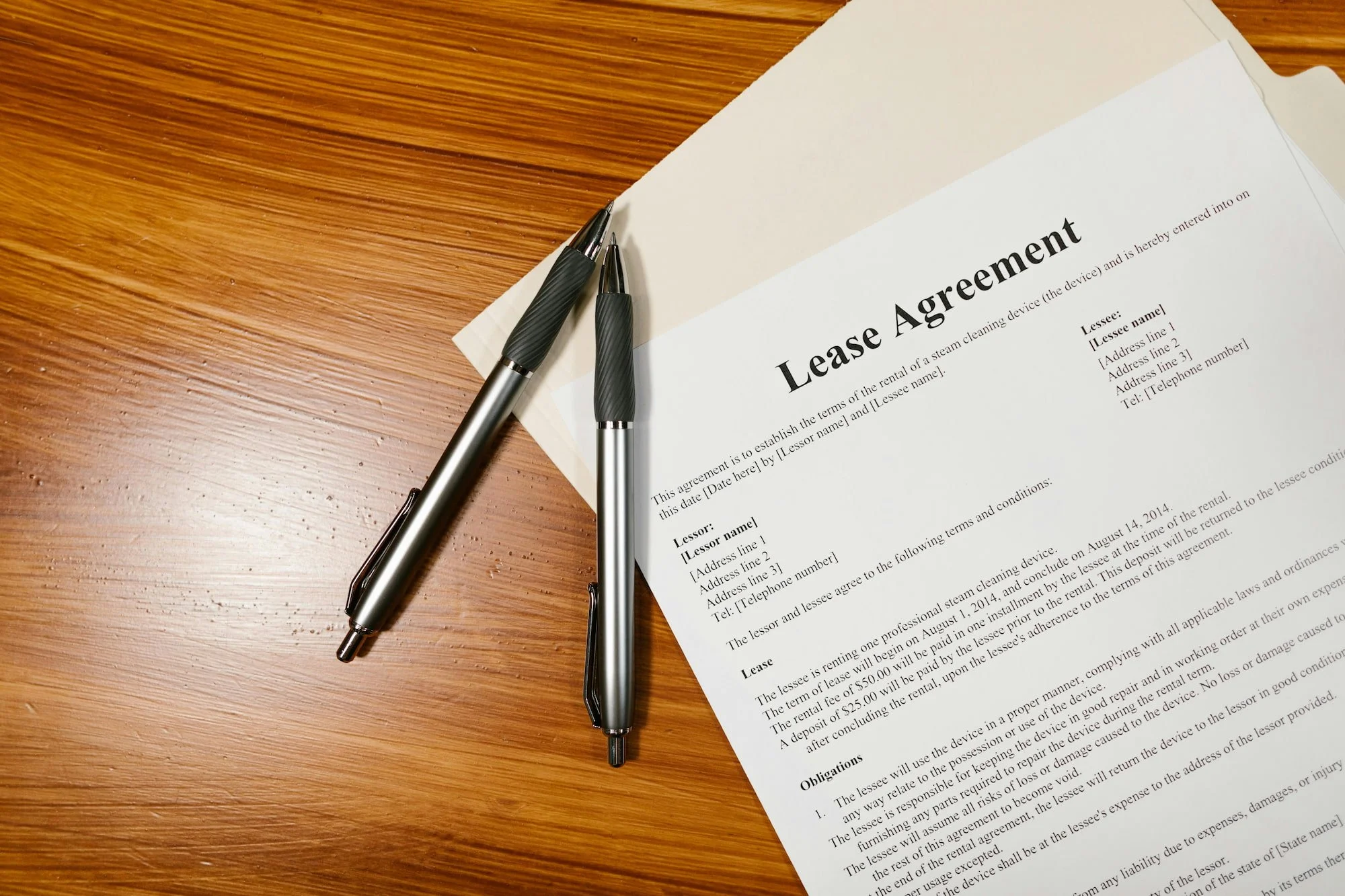
One of the biggest decisions for relocating sellers is whether to buy a home in Chicago immediately or rent first while exploring neighborhoods.
Advantages of Renting First in Chicago
Flexibility to learn Chicago’s diverse neighborhoods
Avoids rushing into a purchase under time pressure
Helps you understand commute times and lifestyle factors
Prevents financial strain during your home sale transition
Advantages of Buying in Chicago Before Arriving
You avoid multiple moves
You can lock in pricing ahead of market shifts
You can settle in faster after your current home sells
For many relocating sellers, renting first is the safest choice, especially if timing your sale requires quick decision-making.
Avoiding Double Payments During Relocation
One of the biggest fears for relocating sellers is getting stuck with two housing payments—your current mortgage and your new Chicago housing cost.
Here’s how to avoid that trap.
Smart Strategies to Prevent Overlapping Expenses
Price your home competitively, not emotionally
Consider pre-inspection to avoid deal-killing surprises
Ask about lease-back options, where you rent your home from buyers for a short period after closing
Explore extended closing timelines when negotiating
Use temporary housing in Chicago as a buffer
A skilled real estate agent can help you structure the sale to time your closing date with precision.
Coordinating Your Sale With Moving Logistics

Moving to Chicago often requires additional planning—whether you’re coming from a nearby state or across the country.
Logistics to Organize Early
Long-distance movers (book 6–8 weeks in advance)
Vehicle transport, if needed
Storage options if your home sale and move don’t align perfectly
Weather considerations—Chicago winters require flexible scheduling
Bonus Tip: If you’re relocating during winter, build in extra days to account for weather-related delays both at your current home and in Chicago.
Financial Considerations for a Smooth Transition
Timing your home sale affects more than your schedule—it influences your financial health during the transition.
Financial Factors Sellers Should Plan For
Temporary housing or short-term rentals
Utility overlaps
Travel costs (flights, moving trucks, etc.)
Closing costs on your current home and your Chicago property
Potential rent-back fees or storage costs
By budgeting early, you reduce surprises and maintain full control over your relocation timeline.
The Benefits of Working With a Relocation-Experienced Agent
Relocating to Chicago isn’t just about finding the right neighborhood or aligning your home sale—it’s about having expert guidance throughout the process.
Why You Need an Agent Skilled in Cross-State Moves
They can coordinate your sale and Chicago move simultaneously
They understand how to time listings for minimal disruptions
They know how to negotiate flexible closing timelines
They assist with vendor connections, movers, and local advisors
They can help you explore Chicago’s market proactively
A relocation-savvy agent becomes your timeline manager, negotiator, and transition coordinator wrapped into one.
Creating a Customized Sale-to-Move Timeline
Here’s a simple outline to help you visualize your Chicago move:
1. 8–12 Weeks Before Relocation
Meet with a relisting agent
Prepare your home for the market
Finalize your Chicago housing plan (renting or buying)
2. 4–8 Weeks Before Relocation
List your home
Begin interviewing Chicago agents if buying
Book movers & finalize logistics
3. 2–4 Weeks Before Relocation
Accept an offer
Start packing
Schedule utility changes
4. Final 1–2 Weeks
Close on current home
Move to Chicago or temporary housing
Start your new job or settle into your new schedule
This timeline can be adjusted based on job start dates, school schedules, and your chosen Chicago neighborhood.
Align Your Home Sale for a Stress-Free Move

Timing a home sale during a relocation takes planning, strategy, and the right support. By understanding the factors that influence your timeline—job start dates, school schedules, Chicago neighborhood options, and financial considerations—you can create a seamless transition without unnecessary expenses or stress.
A strategic plan allows you to focus on the exciting part: beginning your next chapter in Chicago.