Can’t Pay Your Mortgage? 7 Options Before Foreclosure in Illinois
Can’t keep up with your mortgage in Chicago, and worried that foreclosure is next? If you can’t pay the mortgage in Chicago, it can feel final, but it isn’t. Many Cook County owners fall behind after job loss, medical bills, or rising property taxes. Stress grows fast, especially with winter heating costs.
Here’s the relief most people miss. Illinois uses a court-based foreclosure system, which means time is on your side early on. Lenders often review options before pushing the case forward. You still have choices that protect your credit and your future.
This guide walks you through seven real paths before foreclosure. Some help you stay in the home. Others help you exit with less damage if that’s the better fit. We explain how being behind on mortgage payments affects timing, what lenders ask for, and where free Chicago housing help fits in. You’ll see clear next steps you can take this month, not vague advice.
Understanding Pre-Foreclosure in Illinois
Pre-foreclosure begins after one or more mortgage payments are missed. During this stage, the lender has not yet sold the home or taken ownership.
Illinois uses a court-based foreclosure process. This means lenders must file a lawsuit before selling a property. Because of this, pre-foreclosure often lasts longer in Illinois than in many other states. Homeowners in Chicago often have several months to act.
This period matters because lenders review loss mitigation requests during pre-foreclosure. Loss mitigation refers to lender-approved workout options that aim to resolve missed payments without foreclosure.
Many homeowners avoid lender calls during this time. That delay often reduces available choices. Staying engaged keeps options open.
Why Early Action Matters When You’re Behind on Your Mortgage
When you fall behind, time plays a large role in what happens next. Acting early usually leads to better results.
Early action can:
Reduce added fees and legal costs
Protect credit from deeper harm
Keep more foreclosure alternatives available
Allow time to gather documents
Homeowners who wait until court papers arrive often feel rushed and overwhelmed. Those who reach out sooner usually have more flexibility.
If you are behind on your mortgage, starting the conversation early can slow the process and give you time to plan.
How Lenders Review Mortgage Default Options

Lenders review hardship requests through a structured process. They look at income, expenses, and the reason payments were missed.
Most lenders ask for:
Proof of income
Bank statements
A hardship letter
Tax returns or benefit statements
The hardship letter explains what changed and whether the problem is short-term or long-term. Clear, honest explanations often help lenders decide which option fits.
Many homeowners in Chicago work with HUD-approved housing counselors to prepare these documents. These counselors help submit complete packages and avoid delays.
Option 1: Forbearance for Short-Term Financial Problems
Mortgage Forbearance allows homeowners to pause or reduce mortgage payments for a set period. This option is designed for short-term hardship.
When Forbearance Works Best
Forbearance often helps when income loss is temporary, such as:
Job gaps
Medical recovery
Short-term business slowdown
During forbearance, the lender agrees not to move forward with foreclosure. Payments may pause or drop for several months.
What Happens After Forbearance Ends
Missed payments are not erased. They must be repaid later, often through:
A payment plan
Added months at the end of the loan
A loan modification review
Forbearance is one of the most common foreclosure alternatives used during early financial trouble. It creates breathing room while income recovers.
Option 2: Loan Modification for Long-Term Payment Relief
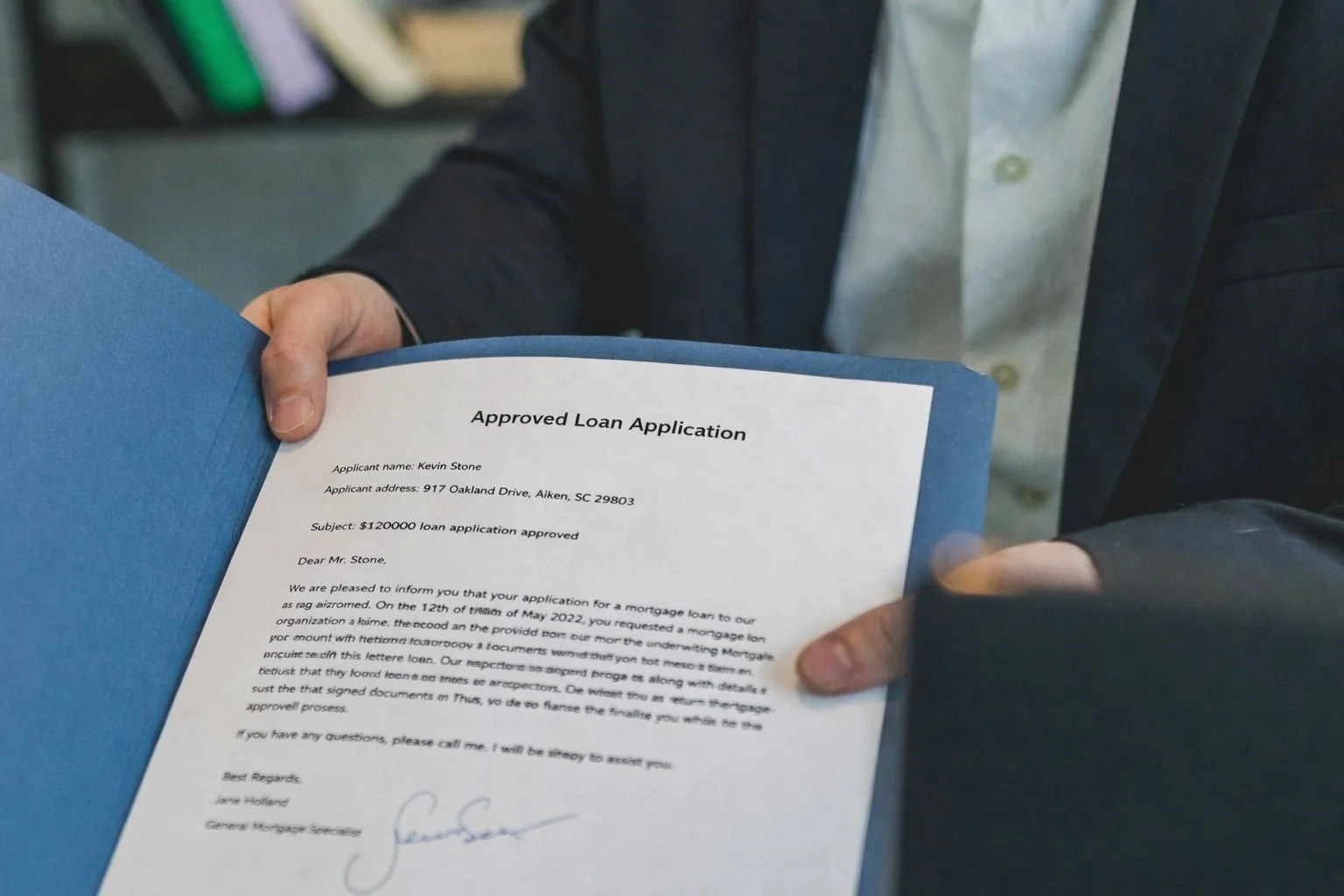
A loan modification changes the loan terms to lower the monthly payment. This option helps when income has changed for the long term.
How Loan Modification Helps
Loan modifications may:
Lower the interest rate
Extend the loan length
Adjust both
The goal is to create a payment that fits current income. This option focuses on long-term affordability rather than short-term relief.
Applying for Loan Modification
Homeowners submit financial records and a hardship letter. Lenders review whether the new payment is realistic based on income and expenses.
Among all mortgage default options, loan modification is one of the strongest choices for homeowners who want to stay in their homes.
Option 3: Refinancing When Credit Still Allows
A refinance replaces the current mortgage with a new loan that has better terms. This option works only if credit and income still qualify.
Benefits of Refinancing
Refinancing may:
Lower interest rates
Reduce monthly payments
Provide payment stability
Limits of Refinancing
Once payments are missed, credit scores often drop. This makes refinancing harder. Closing costs also add expense.
For homeowners who act early, refinancing may still help. For those already behind on their mortgage, lenders often decline this option.
Option 4: Mortgage Assistance and Relief Programs in Illinois
Many Illinois homeowners qualify for mortgage assistance through government or nonprofit programs. These mortgage relief programs support homeowners during hardship.
Types of Assistance Available
Programs may offer:
Help covering missed payments
Support during lender negotiations
Free housing counseling
Some programs apply statewide. Others focus on Chicago neighborhoods. Programs supported by the Illinois Housing Development Authority and City of Chicago housing services are commonly used by local homeowners.
Housing counselors help screen eligibility and guide applications. This support improves approval chances.
Option 5: Short Sale to Avoid Foreclosure

A short sale allows the home to be sold for less than the mortgage balance, with lender approval.
When a Short Sale Makes Sense
Short sales work best when:
Home value is lower than the loan
Payments cannot be restored
Selling is the healthiest option
Although a short sale affects credit, the impact is often less severe than foreclosure. It also avoids court action and long-term foreclosure records.
Many Chicago homeowners work with agents experienced in short sales to handle pricing, offers, and lender approval.
Option 6: Deed-in-Lieu of Foreclosure
A deed-in-lieu transfers ownership of the home to the lender to settle the debt. The homeowner signs the deed to the lender. In many cases, the remaining loan balance is forgiven.
When This Option Fits
This option often applies when:
A short sale failed
The home has no other liens
The homeowner is ready to move
Deed-in-lieu avoids a foreclosure sale and may limit future credit damage. Lenders review these requests carefully.
Option 7: Payment Plans to Catch Up Over Time
A payment plan spreads missed payments across future months.
Homeowners pay:
Their regular payment
Plus a portion of the past-due amount
Payment plans work best when only a few payments have been missed, and income is stable again. They allow homeowners to recover without changing loan terms.
Among all workout options, payment plans are often the fastest to approve when used early.
Understanding the Foreclosure Timeline in Illinois
The foreclosure timeline Illinois homeowners face includes several stages.
Typical Stages
Missed payments
Legal filing
Court process
Foreclosure sale
Illinois requires court approval before a sale can occur. This gives homeowners time to apply for mortgage default options.
Homeowners may also have reinstatement or redemption rights before the sale date. These rights allow some borrowers to stop foreclosure by catching up or paying off the loan.
Chicago-Specific Challenges for Homeowners
Homeowners who can’t pay their mortgage in Chicago often face pressures that are different from those in other parts of Illinois. Even when income stays steady, local costs can rise fast and push a household budget out of balance.
One of the biggest challenges is property taxes. Chicago and Cook County property taxes have increased for many homeowners over the years. When taxes rise, monthly mortgage payments often rise as well, especially for loans that escrow taxes. A payment that once felt manageable can grow without warning.
Insurance costs also affect affordability. Home insurance premiums in Chicago may increase due to weather damage, repair costs, or claim history in the area. These increases are often added to the monthly payment, raising housing costs even further.
Utilities are another pressure point. Heating costs during long winters, cooling costs in summer, and rising electricity and gas rates can strain household budgets. When utilities rise at the same time as mortgage payments, many homeowners fall behind faster than expected.
Chicago’s cost of living adds to the strain. Food, transportation, parking, and local fees can increase even when wages do not. These everyday costs reduce the money available for housing.
Because of these local factors, Chicago homeowners often qualify for city-based housing counseling programs. These programs understand local lenders, Cook County court timelines, and Chicago-specific housing costs. This local knowledge helps homeowners choose options that fit their situation.
Credit Impact of Missed Mortgage Payments
Missed mortgage payments affect credit in stages. The impact grows the longer the loan remains unpaid.
Early Missed Payments
After the first missed payment, the lender may report the account as late. This often causes a credit score drop, even if the payment is only 30 days past due. Late fees are also added, increasing the total amount owed.
At this stage, the damage is usually limited. Many homeowners can still recover their credit if payments resume or an option like forbearance or a payment plan is approved.
Ongoing Delinquency
As missed payments continue, credit damage grows. Accounts reported as 60, 90, or more days late cause larger score drops. Loan approvals for credit cards, car loans, or refinancing become harder.
If the loan enters foreclosure, the credit impact becomes more severe. Foreclosure causes the most harm and can affect borrowing ability for several years.
Options like loan modification, short sale, or forbearance often limit long-term credit damage compared to foreclosure. Acting early helps protect future financial stability.
What Happens If No Option Is Chosen
When no action is taken, foreclosure usually continues through the court process.
In Illinois, foreclosure moves through the court system. If the homeowner does not respond or apply for options, the lender may receive a court judgment. This allows the process to move forward.
After judgment, the home may be scheduled for a foreclosure sale. Once sold, ownership transfers, and the homeowner loses rights to the property.
An eviction timeline may follow if the homeowner does not leave voluntarily. This process adds stress and limits future housing choices.
Ignoring notices often leads to fewer options and higher pressure. Acting early gives homeowners more control and more time to choose a better outcome.
What to Do in the Next 30–60 Days
If you are behind on your mortgage, the next one to two months matter. Clear steps can help reduce stress and create direction.
1. Gather Financial Records
Start by collecting documents that show your financial picture. This usually includes proof of income, bank statements, monthly bills, and benefit statements if applicable. Having these ready saves time when speaking with lenders or counselors.
2. Write a Hardship Letter
A hardship letter explains what caused the missed payments. It should describe what changed, when it changed, and whether income is expected to recover. Simple and honest explanations work best.
3. Contact the Lender
Reach out to the lender or loan servicer directly. Ask about available mortgage default options, current loan status, and deadlines. Write down names, dates, and reference numbers for each call.
4. Speak With a Housing Counselor
HUD-approved housing counselors help homeowners review options at no cost. They explain programs, help complete forms, and guide communication with lenders. Many Chicago homeowners use counseling services to avoid mistakes.
5. Track Deadlines Carefully
Deadlines matter. Missing a deadline can close off options. Keep copies of all documents, track submission dates, and follow up regularly. Staying organized helps keep choices open.
Choosing the Right Option When You Can’t Pay Your Mortgage in Chicago

The right choice depends on your goals.
Ask yourself:
Can income recover soon?
Is staying in the home realistic?
Is selling the better outcome?
Short-term hardship often points to forbearance or payment plans. Long-term income changes may require loan modification or selling options.
Common Mistakes Illinois Homeowners Make
Many homeowners limit their options by:
Avoiding lender communication
Missing document deadlines
Submitting incomplete packages
Waiting until court action
During pre-foreclosure, lenders review the widest range of solutions. Delay often reduces approval chances.
Where to Get Trusted Help
Reliable help comes from:
HUD-approved housing counselors
Consumer protection agencies
These groups help homeowners understand foreclosure alternatives, prepare documents, and meet deadlines. Many services are free.
Moving Forward With Confidence
Being behind on your mortgage does not mean foreclosure is unavoidable. Illinois homeowners have time, protections, and access to mortgage assistance.
By acting early, understanding available mortgage default options, and choosing the right path, many homeowners protect their future and reduce long-term harm.
If you can’t pay your mortgage in Chicago, the next step does not have to be foreclosure. Clear action today can still change the outcome.
About the Author
Karen Rodriguez is a licensed Illinois real estate broker and managing partner at Dello Investments, a woman-owned cash home buying company serving Chicago since 2021. With her California broker's license since 2016 and over 200 property transactions completed, Karen specializes in helping homeowners sell distressed properties, inherited homes, and houses facing foreclosure.
Karen holds a Bachelor's degree in Business Administration from CSU Monterey Bay and maintains active licenses in both Illinois and California. At Dello, she manages acquisitions, oversees property renovations, and handles listing sales. Her expertise includes BRRRR strategy (Buy, Rehab, Rent, Refinance, Repeat), Chicago real estate regulations, including RLTO compliance, and creative financing solutions for sellers facing financial hardship.
Originally from Los Angeles, Karen now calls Chicago home, where she lives with her four dogs and explores the city's 77 neighborhoods.