How to Sell a House With a Lien in Chicago
Cook County records show over 8,000 new property liens filed each year in Chicago alone. Most homeowners don't discover these liens until they try to sell—when the title company runs a search and finds unpaid debts attached to the deed. Property liens legally prevent you from transferring ownership until they're satisfied.
The good news? Selling a house with a lien in Chicago doesn't mean you're stuck. You can pay the lien from your sale proceeds, negotiate a reduced settlement with the lienholder, or sell as-is to cash buyers who close with liens attached. This guide covers how to run a Cook County lien search, what each lien type means for your sale, and the exact steps to clear your title. You'll also learn when it makes sense to let the buyer handle the lien payoff instead of writing a check yourself.
Selling a Chicago home with a lien is possible but requires identifying all liens early (via a Cook County lien search or title report), disclosing them, and arranging payoff or settlement before closing. Common liens include tax, HOA, mechanic’s, and judgment liens, each with specific resolution steps and potential impacts on price, timing, and marketability. Working with a title company, experienced agent, and legal/tax professionals helps negotiate payoffs and secure lien releases for a clear title. Transparency and compliance with local rules streamline the process and reduce legal and financial risks.
What Is a Lien and How Does It Affect Selling Your House?
A lien is a legal right or interest that a creditor has against a property. It is often established to secure payment of a debt. When you sell a house with a lien, the lien must be satisfied or cleared before transfer.
Liens can complicate the selling process significantly. Potential buyers may be wary of purchasing a property with unpaid claims. This can affect the marketability and price of your home.
The existence of a lien can delay the closing process. Until all liens are resolved, you may face challenges in finalizing a sale. Understanding how liens work is vital to avoiding unexpected hurdles.
Liens can take several forms:
Tax liens: Result from unpaid state, county, or federal taxes.
HOA liens: Arise from unpaid dues to a homeowners association.
Mechanic's liens: Filed by contractors for unpaid work or materials.
Each type requires specific steps for resolution. Proper management of these issues is crucial for a smooth sales process.
Common Types of Liens on Chicago Properties
Chicago properties can be encumbered by several types of liens. Each type needs to be managed properly to sell a house smoothly. Understanding the nature of these liens is crucial.
Here are common types of liens you might encounter:
Tax Liens
HOA Liens
Mechanic's Liens
A tax lien can result from unpaid property taxes or federal income taxes. Homeowners’ associations can place a lien for unpaid dues, impacting your ability to sell. Mechanic's liens occur when contractors or suppliers are not paid for work performed. A judgment lien arises from a court ruling requiring payment of a debt.
Each lien type affects the selling process differently. Some buyers might be deterred by these financial obligations. Others might see them as opportunities for negotiation. The key is resolving these liens before or during the sale.
Engaging legal and real estate experts can help streamline the process. These professionals can also negotiate settlements when necessary. Tackling liens early can save significant time and stress later.
Tax Liens (Property and IRS)
Tax liens are among the most common financial encumbrances. They arise from unpaid property or IRS tax liens. These liens can considerably complicate the selling process.
A property tax lien is placed by the local government for unpaid taxes. The IRS places a lien for federal income taxes. Both need resolution before the title can transfer to a new buyer.
Resolving these liens often requires negotiation or full payment. It's advisable to consult a tax professional or attorney. They can provide guidance on the best course of action.
HOA Liens
HOA liens are filed by homeowners’ associations. They result from unpaid dues or special assessments. Failure to pay can lead to a lien against your property.
These liens need addressing before selling. They can deter potential buyers. Consult with the HOA for payoff details and negotiations. Prompt resolution can help smooth the sales process.
Mechanic's and Contractor Liens
Mechanic's liens arise when contractors or suppliers are not compensated. These liens are also known as contractor liens. In Chicago, they are commonly filed if work or materials remain unpaid.
These can deter buyers due to the potential costs involved. If you owe money for renovations or repairs, settle these debts quickly. Documentation proving payment is key to resolving such liens.
Negotiating a payment plan can sometimes alleviate this burden. A clear resolution is essential to avoid complications in transferring property ownership.
Judgment Liens in Illinois
Judgment liens result from a court order against the homeowner. This can happen if you owe debts from lawsuits or other court actions. In Illinois, these liens need addressing before selling.
Failure to clear a judgment lien can stall a property sale. Buyers will hesitate to purchase property with unresolved legal claims. Work with legal professionals to negotiate or pay these debts. This ensures a seamless selling process and peace of mind.
How to Find Out If Your Chicago Home Has a Lien

Discovering if your Chicago home has a lien is a crucial step. It helps you know what financial obligations you must settle.
First, conduct a Cook County lien search. This reveals any liens recorded on your property. Online resources and public records can be useful.
Next, contact a local title company. They can provide a detailed report of any Chicago real estate liens. This helps identify specific issues requiring resolution.
Finally, review any notices from creditors. Such documents often indicate outstanding debts leading to liens. Here's a checklist:
Perform a Cook County lien search
Request a title company report
Examine creditor notices
Taking these steps ensures you identify all potential financial encumbrances. Acting promptly on this information is vital for a successful home sale.
The Impact of Liens on the Home Selling Process
Liens significantly affect the home-selling process. They can make selling your house more complex and time-consuming. Buyers might view liens as a risk, reducing buyer interest.
Liens can delay closing if not addressed. This is because potential title issues can emerge. Clearing these issues is often a priority before finalizing the sale.
The marketability of your property might drop due to liens. As a result, the sale price could be lower. This may be due to the need for potential buyers to deal with unpaid debts.
Here's how liens impact the sale:
Reducing buyer interest
Delaying the closing process
Lowering the property's marketability
Understanding these impacts prepares you for potential challenges. Addressing liens early helps prevent delays in selling your home.
Steps to Selling a House With a Lien in Chicago

Selling a house with a lien in Chicago involves several essential steps. Understanding these steps can make the process smoother. The first step is crucial: identifying and verifying all liens.
Next, it is important to disclose these liens to potential cash home buyers. Transparency is key to avoiding future legal issues.
Negotiating a lien payoff or settlement can sometimes reduce the amount owed. Settlements may ease the selling process.
Working with a title company ensures clear communication during lien payoff. They provide expertise and guidance to avoid title issues.
Finally, obtaining a lien release at closing is critical. This final step guarantees the title is clear for the new owner.
Here's a quick overview of these steps:
Identify and verify all liens
Disclose liens to potential buyers
Negotiate lien payoff or settlements
Collaborate with a title company
Obtain a lien release at closing
Each step requires careful attention. By following this process, selling your property becomes more manageable.
Step 1: Identify and Verify All Liens
Start by identifying all existing liens on your property. Conduct a Cook County lien search to find any hidden claims.
Verify these liens through official documents. Accurate information prevents future disputes and facilitates the sale process.
Step 2: Disclose Liens to Potential Buyers
Transparency with buyers is essential. Inform them of any liens on the property.
Disclosing liens up front builds trust and sets expectations. It helps prevent surprises later in the transaction.
Step 3: Negotiate Lien Payoff or Settlement
Negotiating a payoff can sometimes lower the lien amount. This may involve discussions with lienholders.
Here's what to consider:
Contact lienholders directly
Propose a settlement offer
Be open to payment plans
Finding mutually agreeable terms can simplify the selling process.
Step 4: Work With a Title Company for Lien Payoff
Title company lien payoff. They verify that all liens are settled before the sale.
Their expertise ensures that the title is clear of liens. This is essential for a smooth closing process.
Step 5: Obtain Lien Release at Closing
The final step is obtaining a lien release at closing. This document confirms that the lien has been satisfied.
A lien release ensures no outstanding claims remain. It is the key to transferring clear ownership to the buyer.
Special Considerations for Different Types of Liens
Different types of liens require unique handling approaches. Each lien type has its own complexities, influencing how you should approach its resolution.
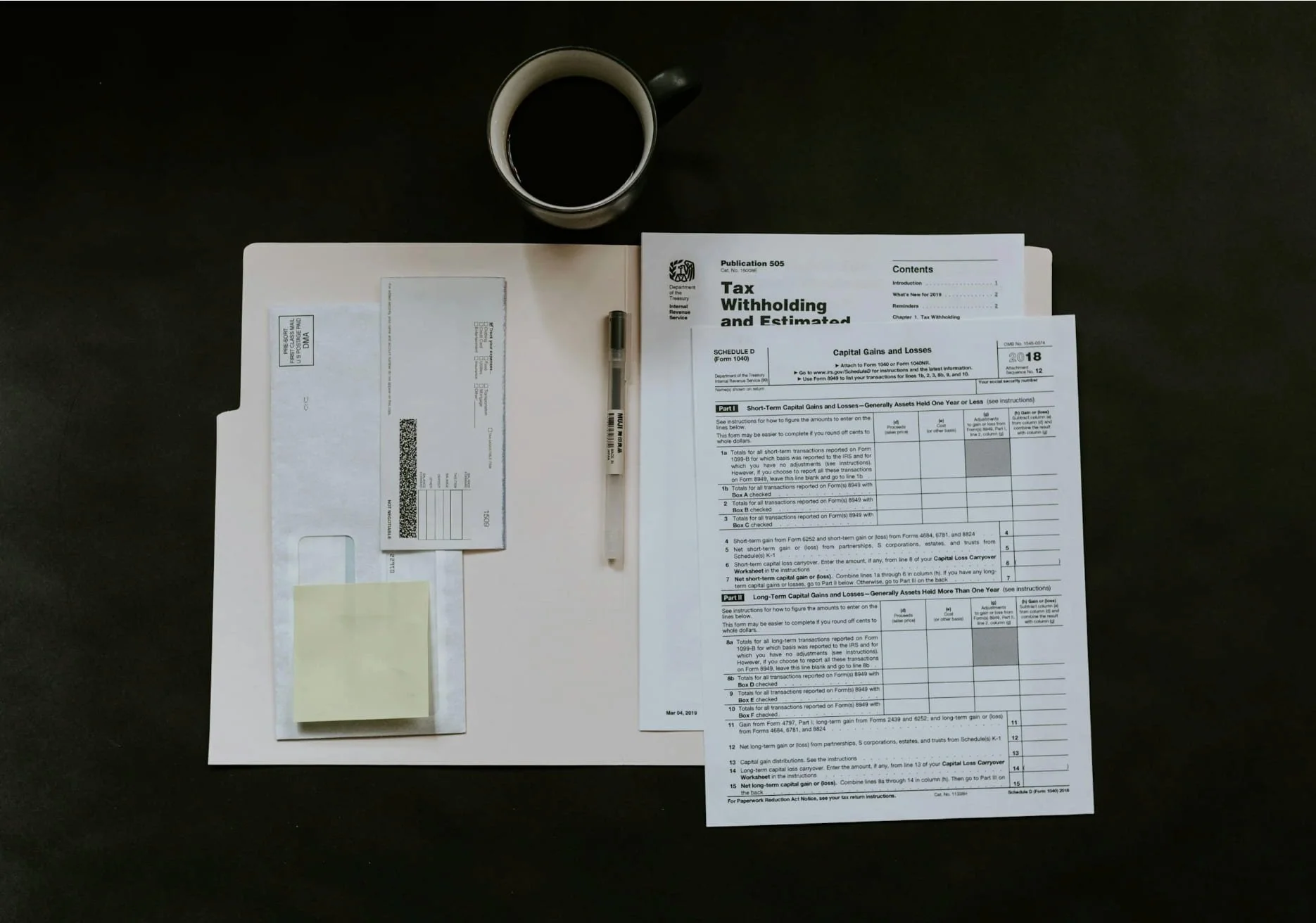
Tax liens, whether from unpaid property taxes or IRS debts, often carry significant financial and legal implications. Consulting with a tax professional can be invaluable in resolving these issues efficiently.
For HOA liens, directly communicating with the homeowners association can expedite the resolution. Understanding their specific requirements for lien satisfaction is crucial.
Mechanic's and contractor liens typically involve disputes over unpaid work or services. Reaching an agreement with contractors, possibly through mediated discussions, can clear these liens.
A judgment lien in Illinois arises from court-ordered debts. Legal assistance might be necessary to navigate through these, especially if disputes are involved.
Here are some key strategies for dealing with different liens:
Consult professionals like tax advisors or lawyers
Communicate directly with the lienholder
Consider negotiating settlements or payment plans
Each lien type presents its own challenges but can be resolved with targeted strategies. Understanding these nuances aids in successful property transactions.
Legal and Financial Implications of Selling With a Lien
Selling a house with a lien involves legal and financial complexities. A lien indicates unresolved debts tied to the property. This must be settled for a smooth sale.
Liens can reduce the sale proceeds because the debt must be cleared before finalizing the deal. This financial burden may impact your expectations from the sale.
Legal challenges can also arise, especially if liens are not disclosed to buyers. Transparency is crucial to avoid future lawsuits. Legal counsel can guide you through complexities to ensure compliance.
Consider these implications:
Reduced financial gain after settling liens
Potential legal consequences for nondisclosure
Need for professional legal advice
Understanding these factors is key to managing risks and ensuring a successful sale.
Tips for a Smooth Sale With a Lien in Chicago
Preparing for a house sale with a lien involves careful planning. Start by understanding the specific lien details. This ensures you address all obligations before listing your home.
Communicate openly with potential buyers about any liens. Transparency builds trust and prevents future disputes. Buyers appreciate honesty about existing property conditions.
Follow these tips for a hassle-free transaction:
Gather necessary lien documents
Consult with a real estate expert
Maintain open communication channels
Proper planning and professional advice can ease the selling process. Stay informed and proactive to achieve a successful sale.
Frequently Asked Questions About Selling a House With a Lien in Chicago
Can I sell my house if there is a lien on it?
Yes, you can sell a house with a lien. You will need to address the lien before closing. This typically involves negotiating a payoff.
What types of liens might affect my property?
Common liens include tax liens, HOA liens, and mechanic's liens. Each requires resolution for a successful sale.
How do I know what liens are on my property?
You can perform a Cook County lien search. This identifies any existing liens on your property.
What are the costs associated with resolving liens?
Costs can vary based on the lien type and amount owed. Negotiation might reduce the total expense.
Selling with a lien requires careful handling.
Address each lien to clear the title.
Work closely with professionals for guidance.
Conclusion: Can You Sell a House With a Lien in Chicago?
Selling a house with a lien in Chicago is feasible but requires careful planning. Addressing liens is crucial for a smooth transaction. Working with experienced professionals, such as real estate agents and title companies, can simplify the process.
Each lien type has unique challenges. Understanding these can help facilitate the sale. With the right approach, achieving a successful sale while resolving liens is entirely possible. Stay informed and proactive throughout the process.
About the Author
Karen Rodriguez is a licensed Illinois real estate broker and managing partner at Dello Investments, a woman-owned cash home buying company serving Chicago since 2021. With her California broker's license since 2016 and over 200 transactions completed, Karen specializes in helping homeowners sell distressed properties, inherited homes, and houses facing foreclosure.
Karen holds a Bachelor's degree in Business Administration from CSU Monterey Bay and maintains active licenses in both Illinois and California. At Dello, she manages acquisitions, oversees property renovations, and handles listing sales. Her expertise includes BRRRR strategy (Buy, Rehab, Rent, Refinance, Repeat), Chicago real estate regulations, including RLTO compliance, and creative financing solutions for sellers facing financial hardship.
Originally from Los Angeles, Karen now calls Chicago home, where she lives with her four dogs and explores the city's 77 neighborhoods.